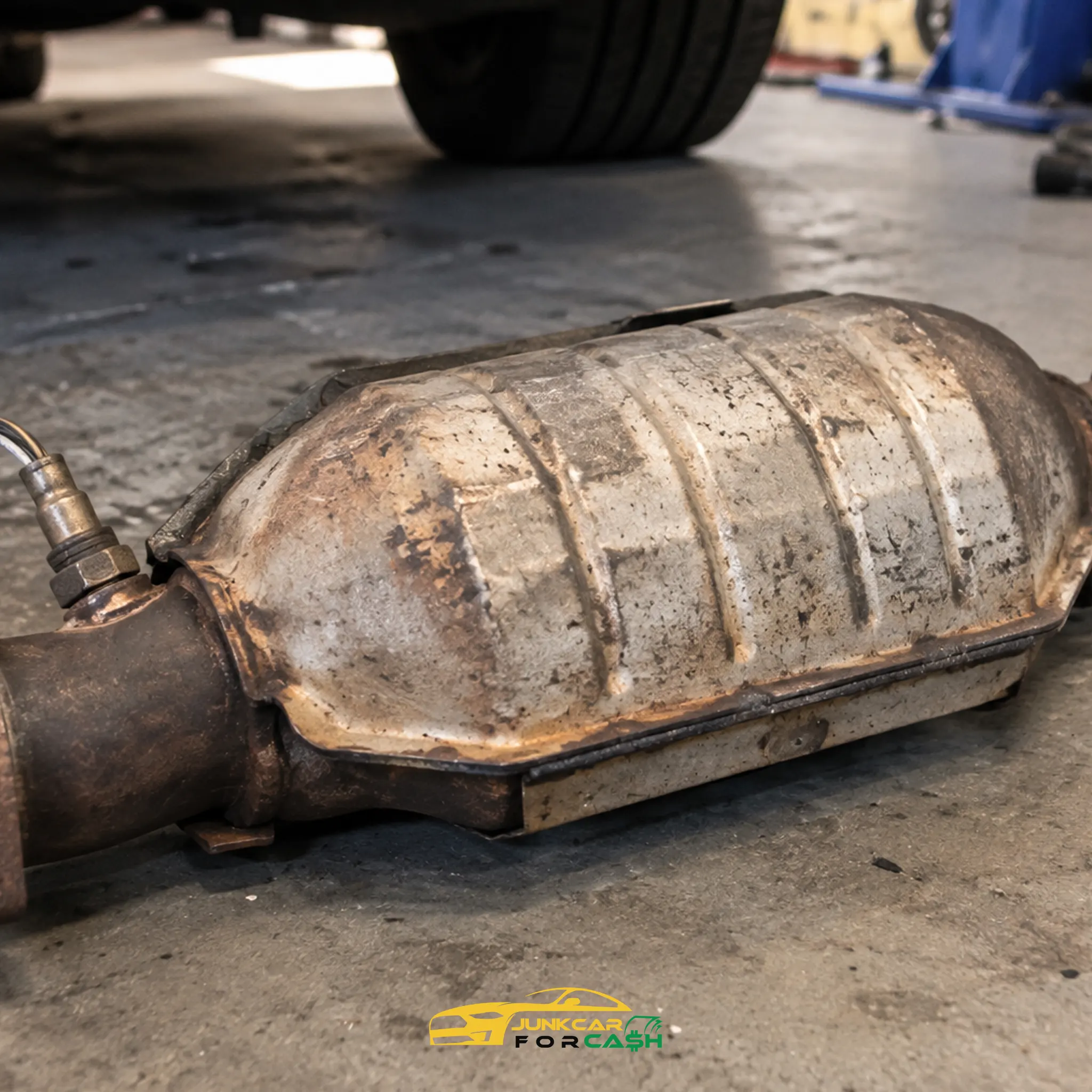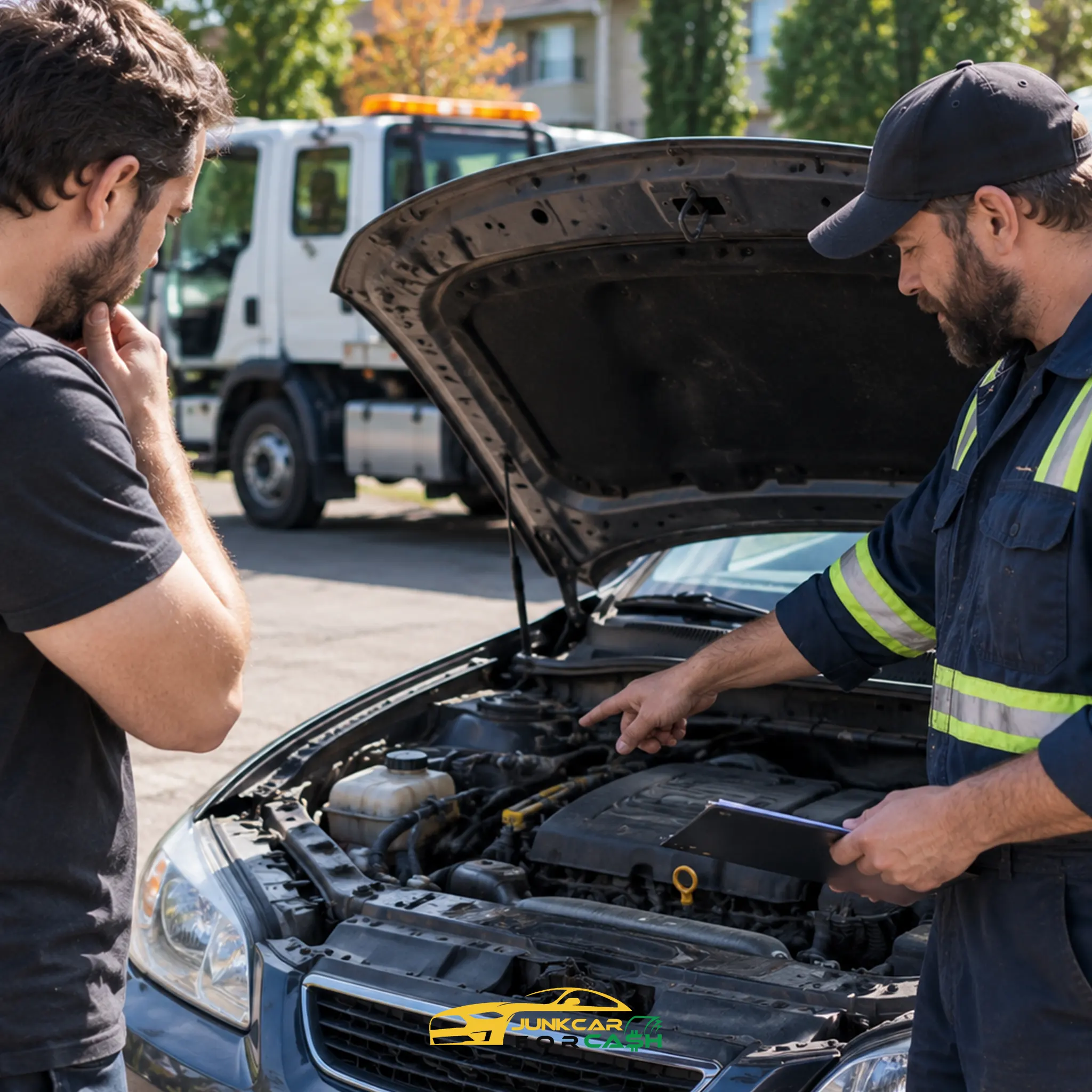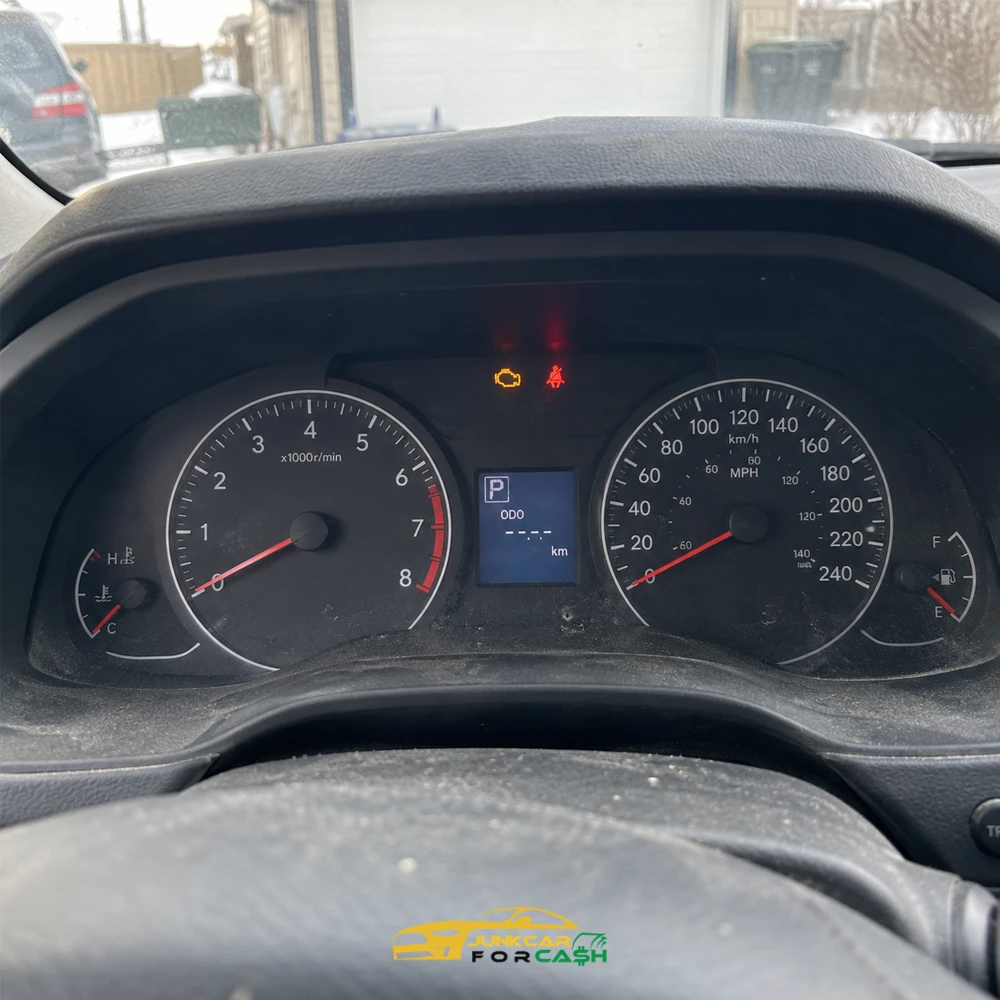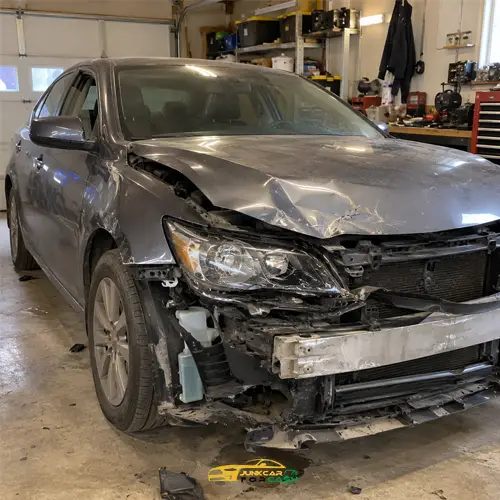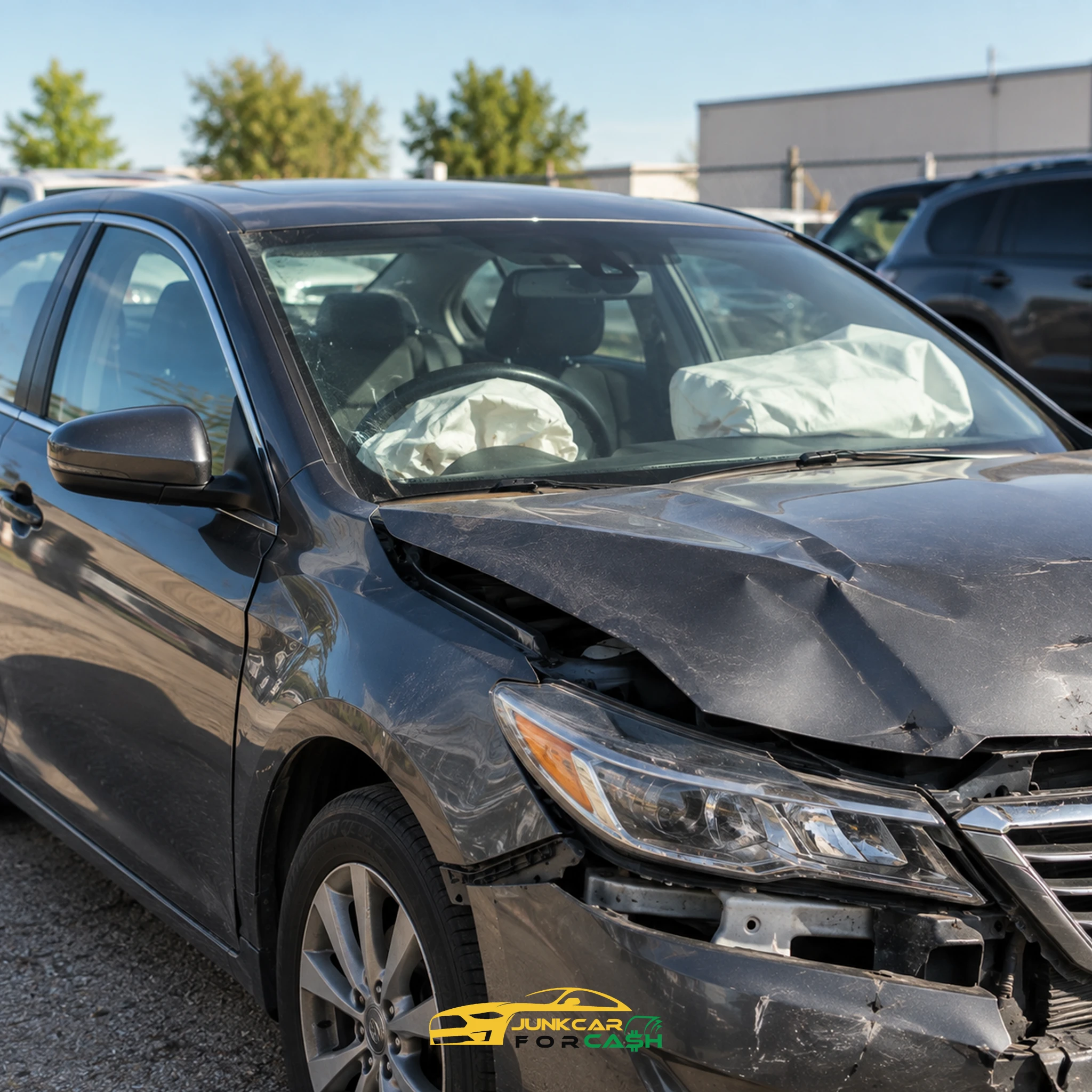

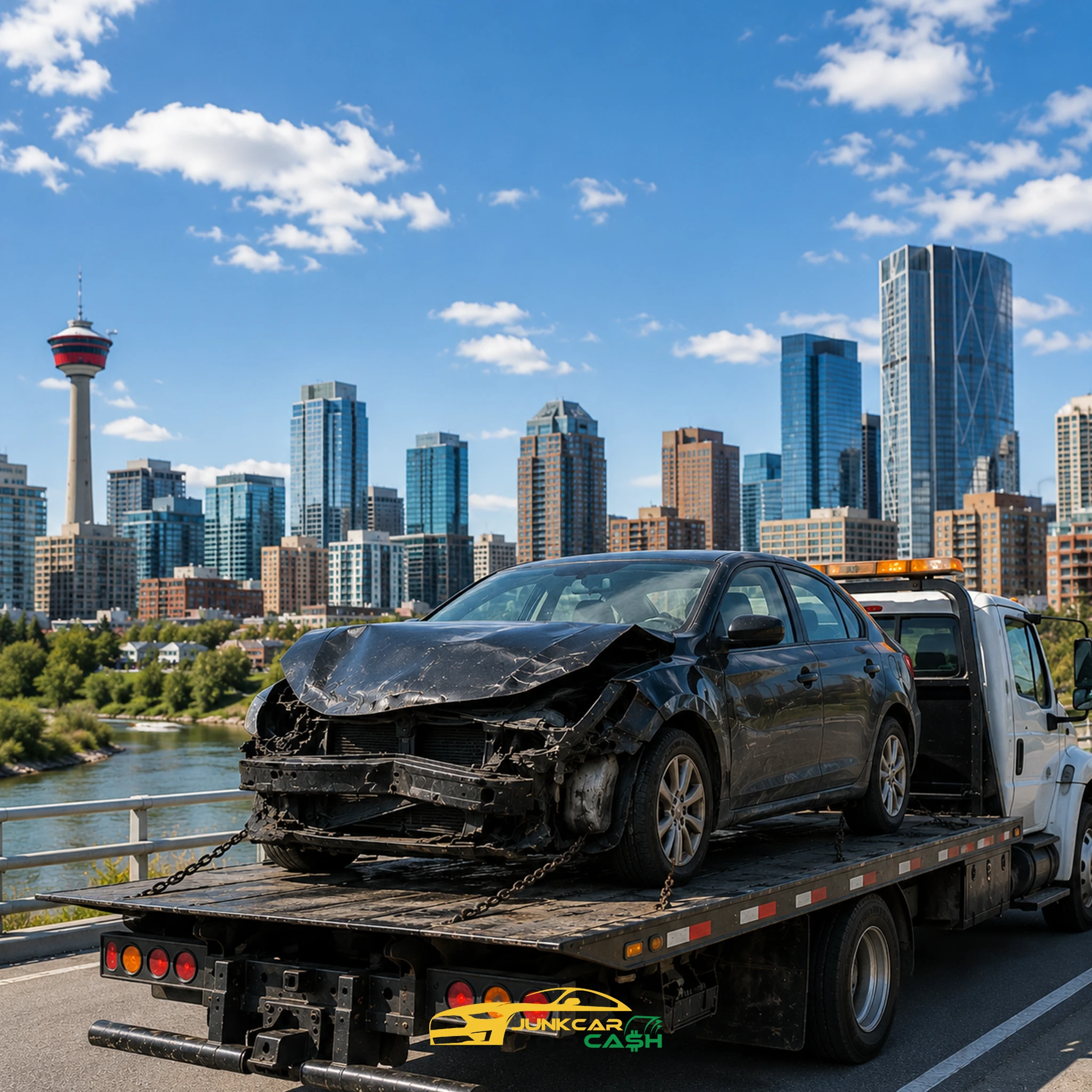
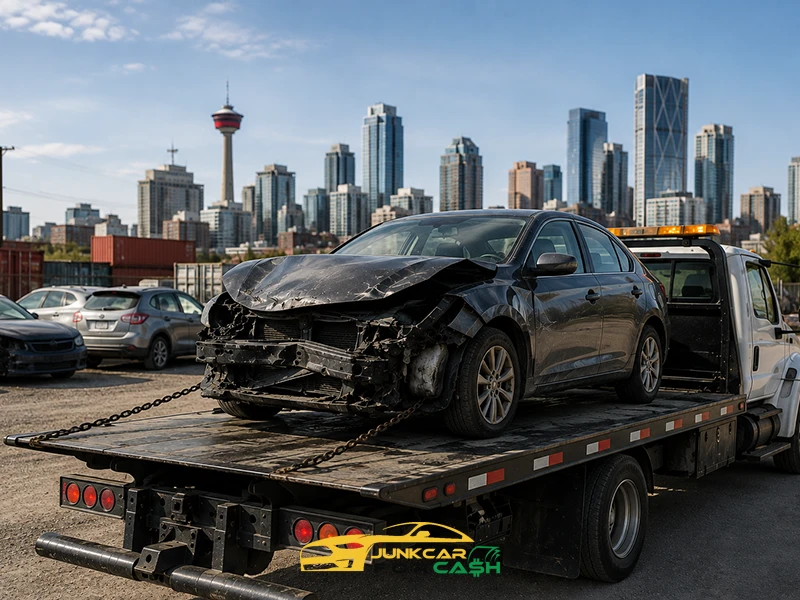
A totaled car still has value, and in Calgary, this is a situation a lot of drivers end up facing. The word “totaled” makes it sound like the vehicle is worthless, but that’s rarely true. It just means an insurer decided repairs cost more than the car’s worth fixing, not that every part of it is junk. Where Calgary owners get stuck is figuring out which selling route actually fits their situation, since junkyards, salvage yards, parts buyers, and direct cash buyers all work differently and pay differently.
This guide covers what “totaled” means in Alberta, what your options are in Calgary specifically, and the steps to take before you commit to one.
Ready to Sell Your Totaled Car in Calgary?
If you’d rather skip comparing junkyards and salvage yards individually, Junk Car For Cash serves Calgary and more than 40 Alberta communities and buys totaled vehicles in any condition, salvage, non-repairable, or rebuilt, including hail and weather damage. Get a quote or email [email protected] for a straightforward, no-obligation quote.
When Is a Vehicle Considered Totaled in Alberta?
Alberta insurers typically declare a vehicle a total loss when repair costs approach 70 to 80 percent of its actual cash value, the estimated worth of the car right before the damage happened. In Calgary, this comes up often for a couple of local reasons.
Hail is a real factor here. Calgary sits in one of the higher hail-frequency zones in the country, and a single summer storm can be enough to total a vehicle’s bodywork and glass even when the mechanicals are untouched. Winter adds a slower version of the same problem, road salt and chinook freeze-thaw cycles accelerate frame and undercarriage rust, which can push an older vehicle’s repair estimate past the write-off threshold even after a relatively minor accident.
Once a vehicle crosses that threshold, it usually gets classified under one of three statuses:
- Salvage: damaged badly enough that it can’t be driven or registered without repair and re-inspection
- Non-repairable: damage severe enough that the vehicle can never be registered for road use again, even after repairs
- Rebuilt: previously salvage-branded, but repaired and passed a government inspection, allowing it back on the road
Which category applies affects what a buyer can legally do with the vehicle, so it’s worth confirming your car’s exact status before you start getting quotes.
- Read Also :
Does a Total Loss Mean You Still Own the Car?
Not always. If your insurer paid out a total loss settlement, they often take ownership of the vehicle as part of that payout, unless you specifically negotiate to keep it, sometimes at a reduced settlement amount. If you’re selling a damaged vehicle outside of an insurance claim, mechanical failure, an accident you didn’t report, you retain full ownership and can sell it however you choose. It’s worth checking your specific settlement terms, since this determines who’s actually allowed to sell the vehicle in the first place.
- Read Also :
What Are Your Options for Selling a Totaled Car in Calgary?
| Option | Best for | What to expect |
|---|---|---|
| Junkyard | Severely damaged, non-running vehicles | Payout based mostly on scrap weight, often includes free towing |
| Salvage yard | Moderate damage, functional major systems | Slightly better offers if parts are in demand |
| Selling for parts | Vehicles with valuable working components | Higher potential return, but takes time and mechanical know-how |
| Direct cash buyer | Any condition, especially if you want speed | Fast quote, usually free pickup, minimal back-and-forth |
None of these are strictly better than the others, it depends on how much time you want to spend and how much extra money that time is worth to you. Calgary’s oil and construction sectors also keep local demand for recycled steel strong, which tends to hold up scrap and salvage pricing better here than in smaller Alberta markets with less industrial activity nearby.
Does the Location of your Car in Calgary Matter?
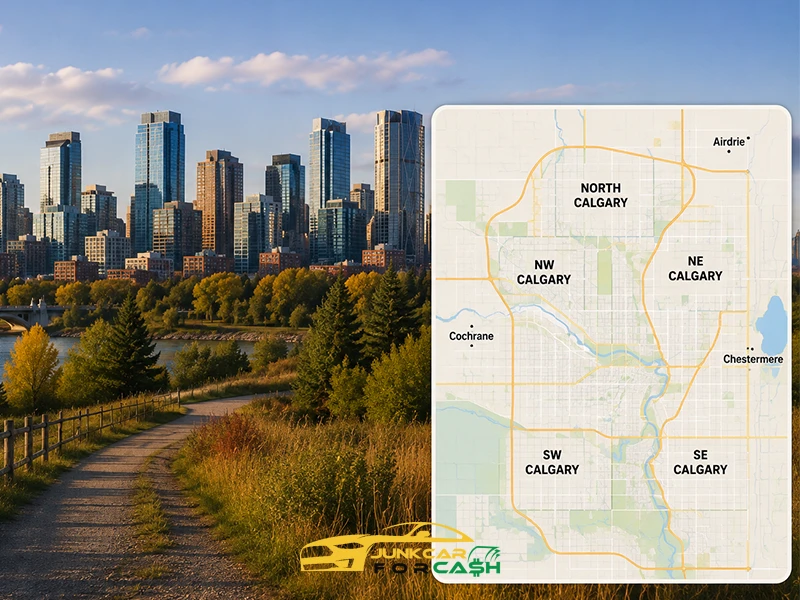
For pricing, not really, weight and condition determine the offer regardless of address. For pickup logistics, it can matter. Same-day pickup is generally easiest within NW, NE, SW, and SE Calgary proper. Acreages or properties on the outer edges of the city, or in nearby communities like Airdrie, Cochrane, or Chestermere, may take a day or two longer to schedule. It’s worth asking about timing upfront if you need the vehicle gone quickly, rather than assuming every location gets the same turnaround.
How Does Selling for Parts Compare to Selling the Whole Vehicle?
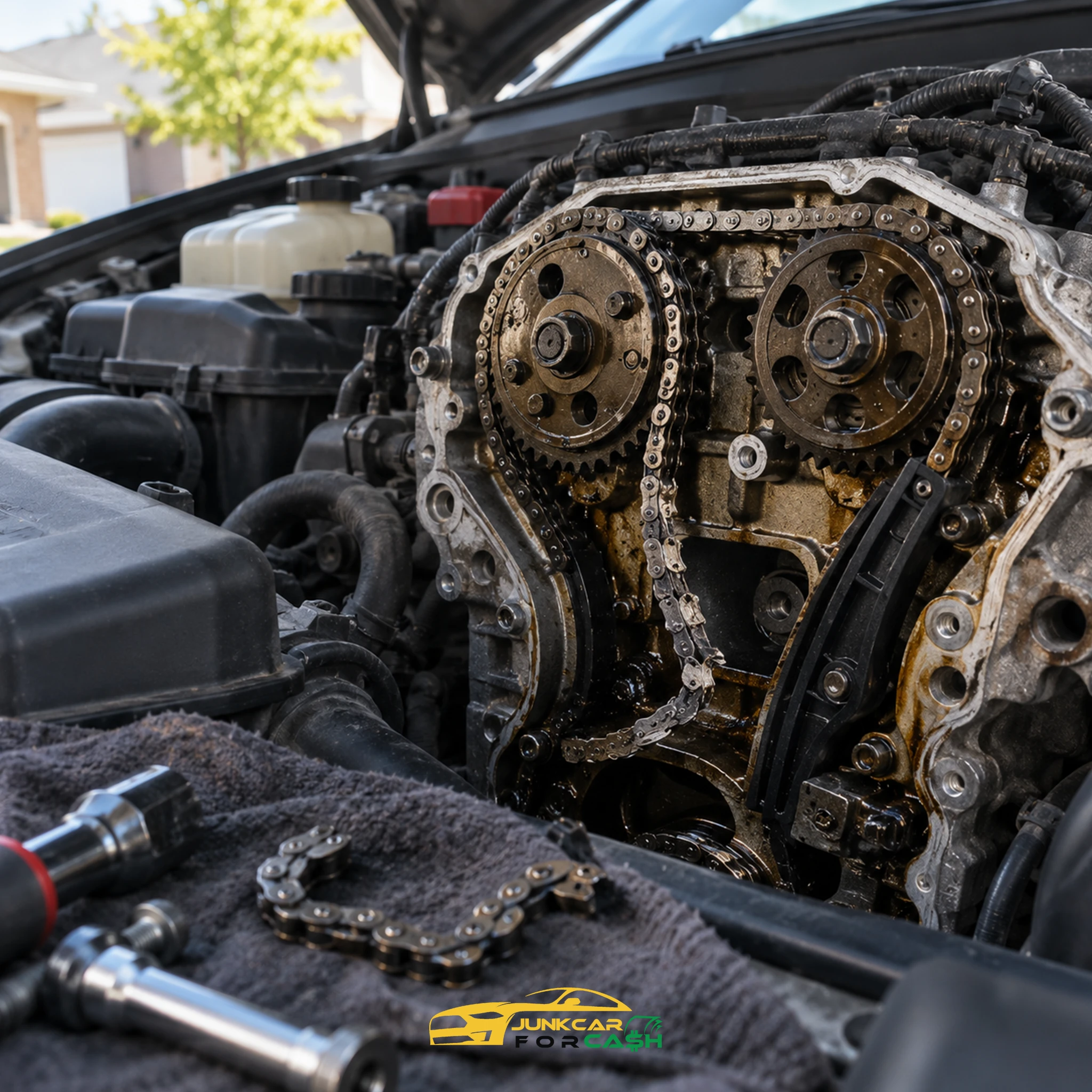
Parting out a vehicle yourself can bring in more money overall if the engine, transmission, or electronics are still in good shape, since you’re capturing value a buyer would otherwise take as profit. But it comes with real costs of its own: space to store and dismantle the vehicle, the mechanical skill to remove parts without damaging them, and the time to list, price, and ship each component individually.
For a vehicle with genuinely valuable components and an owner willing to put in the work, this can pay off.
For most people, especially with a hail-damaged vehicle where the body is the main issue but the drivetrain is fine, the time investment outweighs the extra return compared to a single quote and pickup from a direct buyer.
- Read Also :
Steps to Take Before Selling a Totaled Car
Once you know your car’s status and which option fits your priorities, the actual process is straightforward:
- Confirm the vehicle’s exact status. Salvage, non-repairable, or rebuilt, since this affects what a buyer can legally do with it.
- Check who legally owns the vehicle right now. If insurance already paid out, confirm whether you or the insurer holds the right to sell it.
- Get more than one quote. Pricing varies significantly between junkyards, salvage yards, and direct buyers in Calgary, so a single quote won’t tell you if it’s competitive.
- Ask what’s included. Free towing, paperwork handling, and payment timing should all be clear before you agree to anything.
- Confirm licensing. A legitimate Calgary buyer should be able to confirm their AMVIC licensing status if you ask.
- Complete the paperwork. A signed bill of sale, and confirmation of insurance settlement terms if applicable, protects you after the vehicle is gone. If your car came through a weather-related claim specifically, keep a copy of your insurer’s total loss letter on hand, since some buyers will ask for it to confirm the settlement status before finalizing an offer.
Skipping the ownership check in step 2 is the most common mistake here. Selling a vehicle you don’t actually hold clear rights to anymore can create real problems after the fact, so it’s worth five minutes to confirm before you start collecting quotes.
FAQs About Selling a Totaled Car
The Bottom Line
A totaled car in Calgary isn’t a dead end, and it’s a far more common situation here than most owners realize, between hail, winter rust, and everyday collisions on city roads. What “totaled” actually means is that repair costs crossed a threshold relative to the car’s value, not that the vehicle has nothing left to offer. Junkyards and salvage yards offer speed and convenience, and both tend to be reasonably competitive locally thanks to steady industrial demand for scrap steel. Parting the vehicle out yourself can bring in more money if the drivetrain or electronics are still solid and you’re willing to put in the time. A direct cash buyer splits the difference for most people, one quote, one pickup, no dismantling required.
Before you settle on any of these, confirm your car’s exact status and who currently holds the right to sell it. That single check determines which options are actually available to you, and it’s the difference between a smooth sale and a complicated one.
References
- AMVIC (Alberta Motor Vehicle Industry Council) – salvage and non-repairable vehicle disclosure requirements
https://www.amvic.org/consumer/buying-a-vehicle/buying-used/ - AMVIC – general code of conduct and Consumer Protection Act obligations
https://www.amvic.org/about-us/laws-and-regulations/general-code-of-conduct/ - Government of Alberta – Personal property liens, registration and search
https://www.alberta.ca/personal-property-liens - Government of Alberta – Salvage vehicle inspections
https://www.alberta.ca/salvage-vehicle-inspections - Insurance Bureau of Canada – how a total loss claim and settlement works
https://www.ibc.ca
Ready to Sell Your Totaled Car in Calgary?
If you’d rather skip comparing junkyards and salvage yards individually, Junk Car For Cash serves Calgary and more than 40 Alberta communities and buys totaled vehicles in any condition, salvage, non-repairable, or rebuilt, including hail and weather damage. Get a quote or email [email protected] for a straightforward, no-obligation quote.