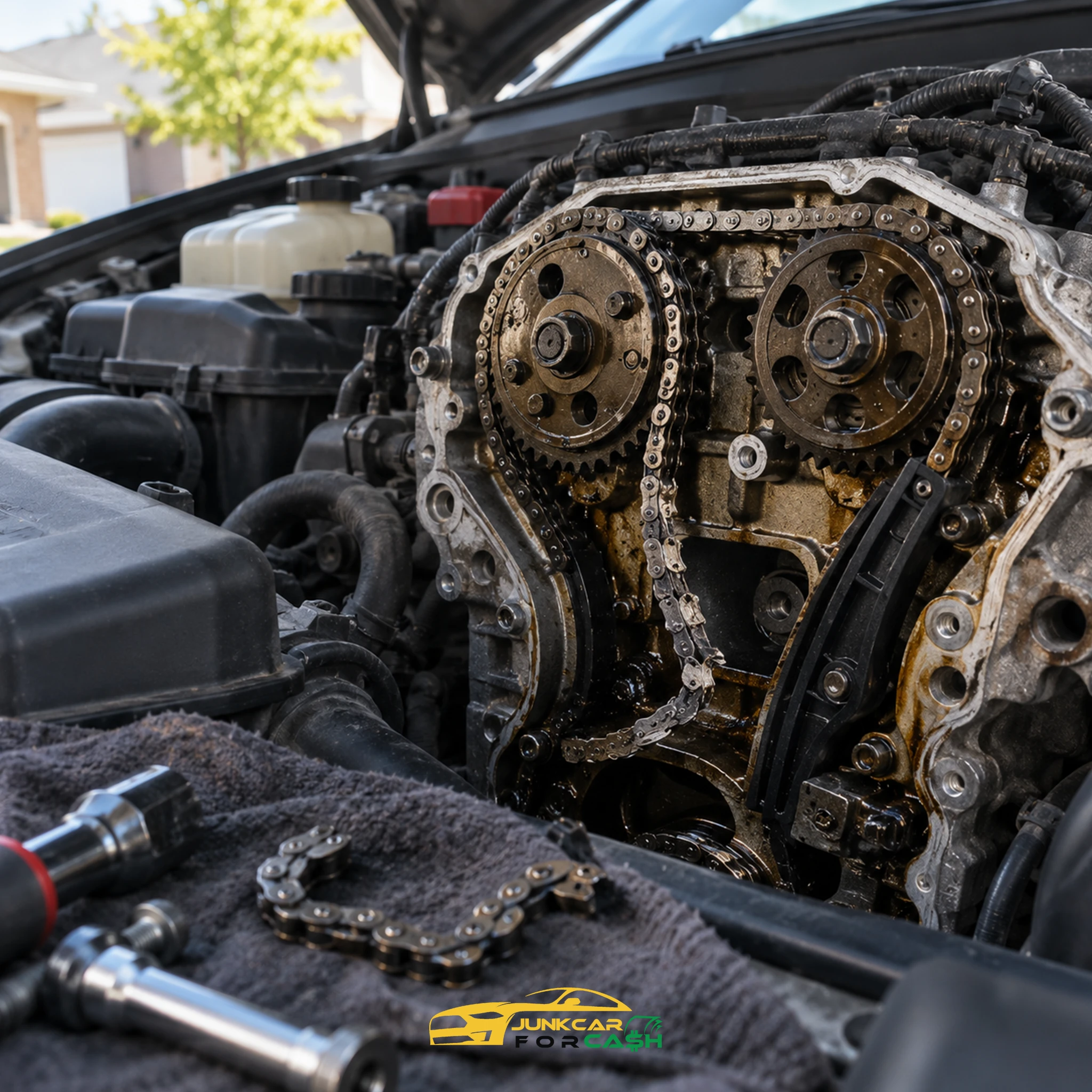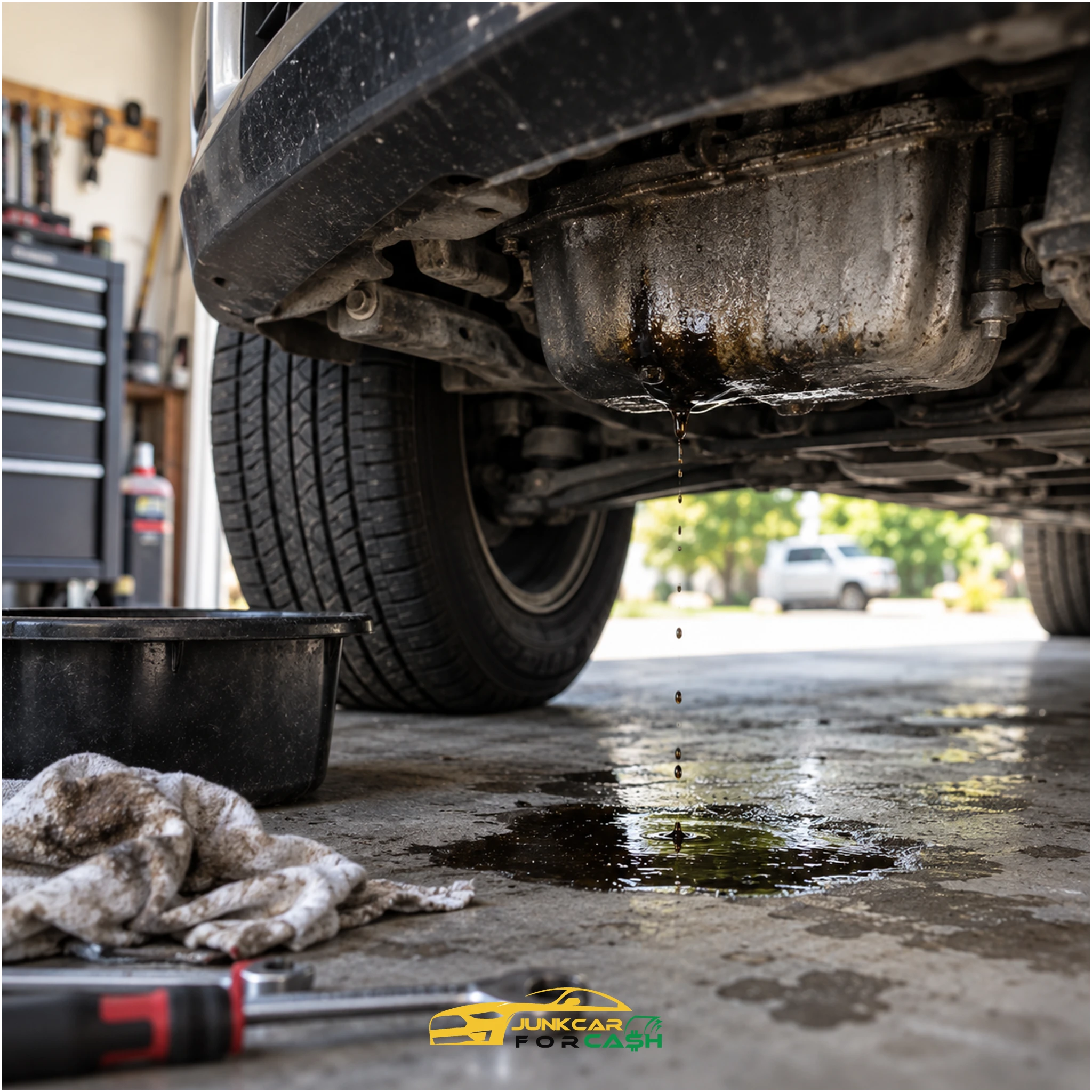

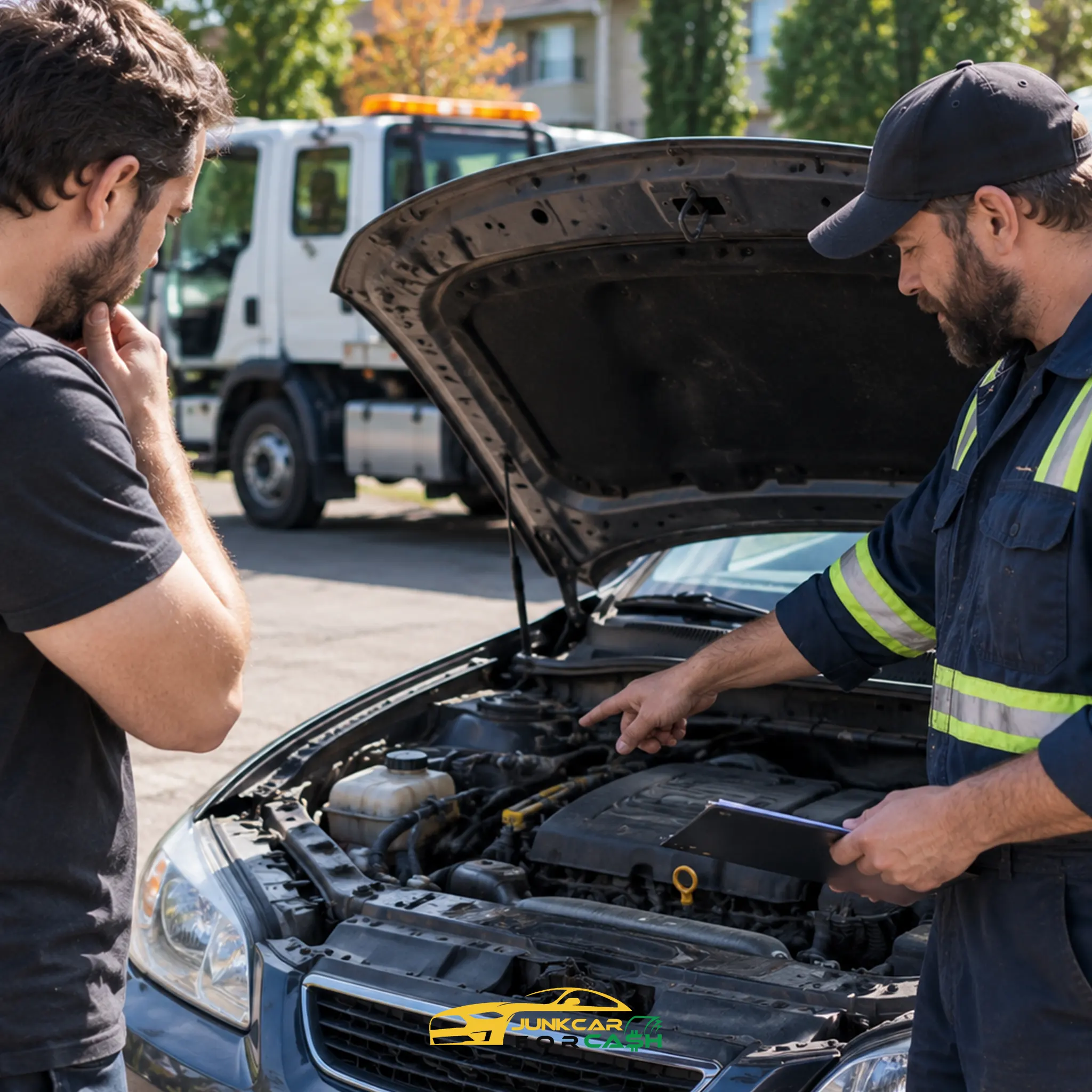
Your check engine light comes on, or worse, the car stops shifting properly, and the shop estimate comes back in the thousands. Most people’s first instinct is to find a way to pay for it, without checking whether fixing it is actually the right call for that specific car, and a repair decided on half-blind can end up costing more than the vehicle will ever be worth again. Selling is a real option here, and for a lot of vehicles it’s actually the more practical one once the real numbers are on the table. The choice between repairing and selling can mean the difference between throwing money at an aging car and getting a fair price for it today, so it’s worth getting right. This guide covers what a buyer needs from you, your real selling options, and when the numbers favour selling over fixing.
Ready to Get a Cash Offer for Your Car?
If you’re dealing with a mechanical problem and want to know what your vehicle is worth as-is, Junk Car For Cash can give you a firm number quickly. We buy vehicles in any condition across Calgary and 40+ Alberta cities, with free towing and payment arranged at pickup. Get a quote or email [email protected] and we’ll get back to you with a real offer, no obligation.
What Information a Buyer Will Want Before Giving You an Offer
Getting an accurate quote starts with giving a buyer an accurate picture of the vehicle. Before you call, have this ready:
- What the symptom actually is. Not just “it’s making a noise,” but specifics: knocking under acceleration, slipping between gears, a check engine light that won’t clear, fluid leaking underneath.
- When it started and how it progressed. A problem that appeared suddenly reads differently than one that’s been getting worse for months.
- Whether the vehicle still drives. This is one of the biggest factors in any quote. A car that runs and moves, even roughly, is priced very differently from one that doesn’t start at all.
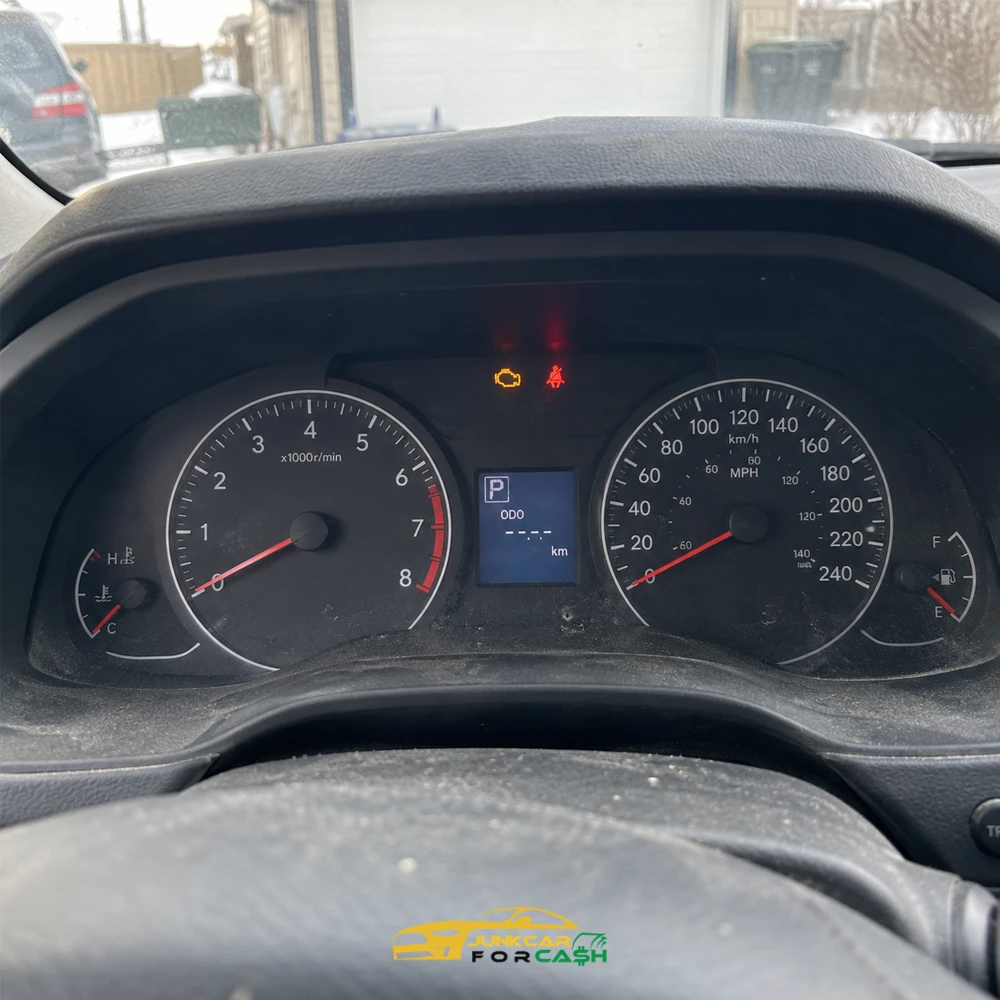
- Any diagnostic codes, if you have them. If a mechanic has already pulled codes or given you a diagnosis, share that. It saves the buyer a step and often gets you a more precise number on the first call.
- Basic maintenance history. Regular oil changes and service records suggest the rest of the vehicle has been looked after, even if this particular problem wasn’t caught in time.
Providing this information upfront gives a buyer a better basis for making an offer that’s less likely to change after inspection. Buyers working from vague descriptions tend to quote conservatively, since they’re pricing in uncertainty they can’t otherwise account for.
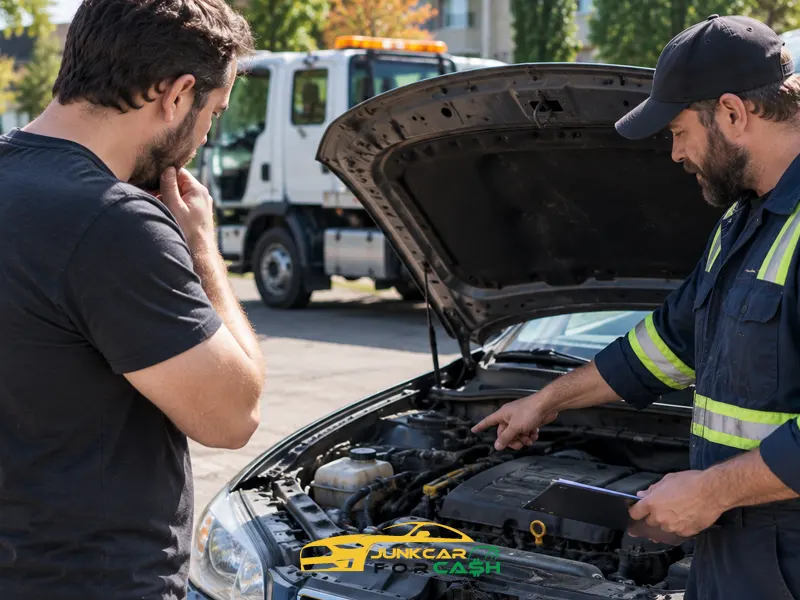
Do You Have to Disclose Mechanical Problems When Selling in Alberta?
There’s no formal legal disclosure form required for a private vehicle sale in Alberta, and private sales are generally understood as sold “as-is.” That said, a private seller should represent the vehicle honestly and shouldn’t mislead a buyer about its condition. AMVIC, the province’s automotive industry regulator, handles complaints involving automotive businesses and registered salespeople, including concerns about misrepresentation in those transactions; ordinary private sales generally fall outside its jurisdiction.
Practically speaking, disclosure works in your favour more than it works against you. A buyer who knows exactly what’s wrong gives you an offer that reflects the real condition of the vehicle. A buyer who finds a serious mechanical issue after the fact, one you knew about and didn’t mention, is far more likely to walk away entirely or revise the offer sharply at the point of pickup. Being upfront is both the more defensible approach and the one more likely to get you a number that actually holds.
What Are Your Options for Selling a Car With Mechanical Problems?
Once you know what’s wrong, you have three realistic paths, and they differ significantly in effort and outcome.
| Method | How It Works | Best For |
|---|---|---|
| Private Sale | You list and sell the vehicle yourself to another individual buyer. | Vehicles with a minor, inexpensive-to-fix issue, or vehicles priced attractively enough to interest do-it-yourself buyers. |
| Trade-In | A dealer takes the vehicle as part of a new vehicle purchase. | May result in a lower offer when the dealer expects significant repair costs or sees limited resale potential. |
| Cash or Junk Buyer | A buyer may purchase the vehicle as-is, depending on its condition and the buyer's acceptance criteria. | Vehicles with serious mechanical problems, non-running vehicles, or vehicles you want to sell quickly without paying for repairs. |
Private sale puts the most work on you: listing, fielding questions, and negotiating with buyers who are often wary of unresolved mechanical issues, even when the price reflects it. It can work for smaller, well-understood problems, but the buyer pool shrinks fast once the issue is anything beyond cosmetic.
Trade-in offers can suffer once a mechanical issue is involved. Dealers evaluate trade-ins for resale potential, and a vehicle with a known problem, especially something like a failing transmission or a blown engine, may result in a lower offer since the dealer factors in what it would cost them to address before reselling.
A cash or junk buyer may purchase the vehicle as-is, mechanical problems included, without requiring you to fix anything first, though this depends on the specific buyer’s criteria. This can be one of the faster and simpler routes once a mechanical issue moves beyond something minor.
How Mechanical Problems Affect What a Buyer Will Offer
Not every mechanical issue affects value the same way, and the type of problem matters more than how alarming it sounds.
Minor or isolated issues (a sensor, a small leak, an accessory component) have a limited impact on the offer, since the vehicle’s core drivability and structural condition are unaffected.
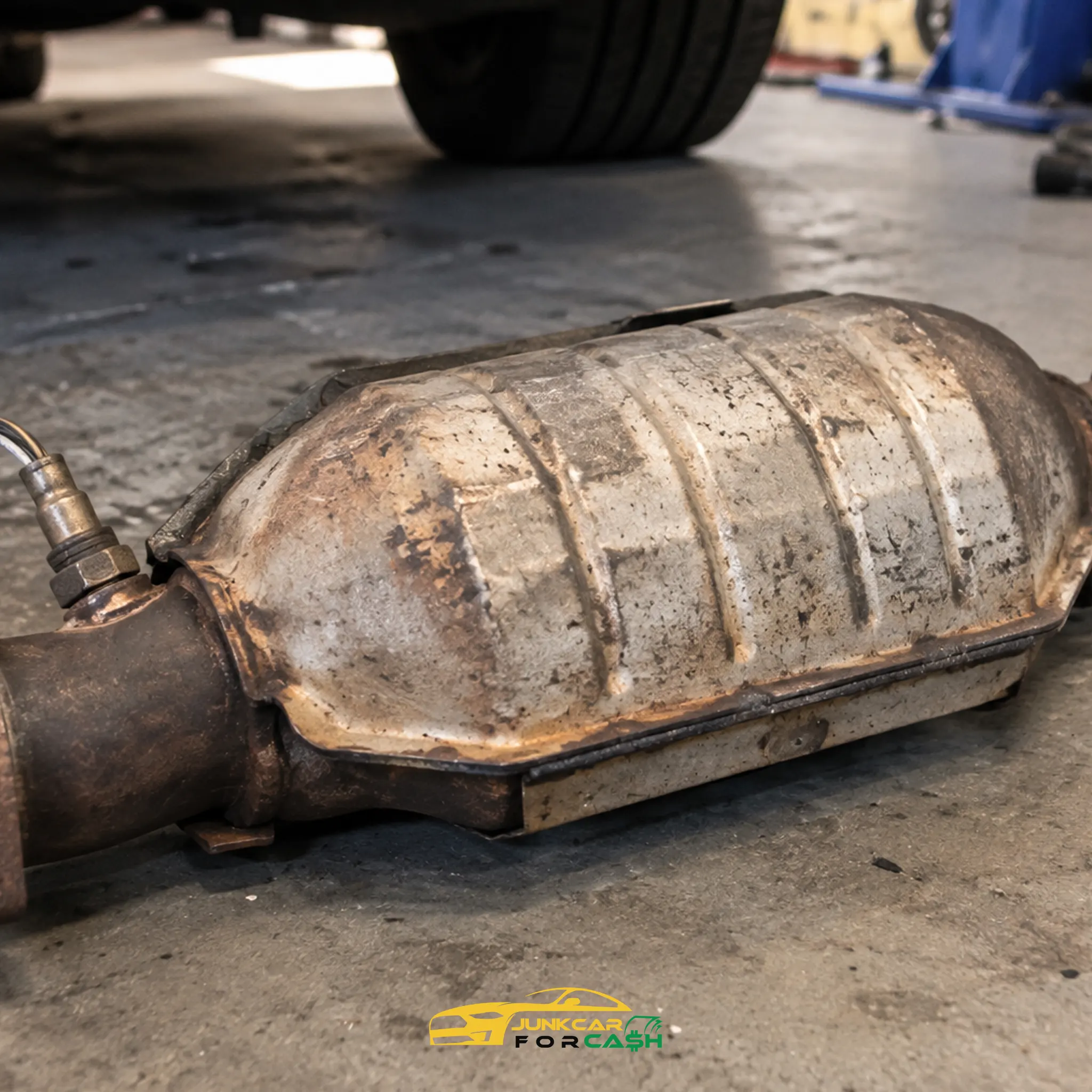
Drivetrain failures (engine, transmission) have the largest impact, since they directly affect whether the vehicle can be driven at all and are the most expensive category of repair. A buyer factors in what it would cost to address the issue, and the offer reflects that.
A non-running vehicle is evaluated differently, with parts value, scrap value, condition, and the feasibility of repairing or reselling it all potentially affecting the offer. This doesn’t mean the vehicle has no value, but the calculation shifts entirely.
For a cash buyer, none of these scenarios rule out a sale. They shift what the offer looks like, since the buyer is pricing the vehicle for what it actually is, not what it would be worth if the issue were already fixed.
Should You Repair the Car or Sell It As-Is?
Major mechanical work, engine replacement, transmission rebuilds or replacements, and similar big-ticket jobs can run into the thousands of dollars, and the exact cost depends heavily on your vehicle’s make, model, and the specific shop doing the work. Getting a written estimate before deciding anything gives you the real number for your situation rather than relying on a general figure.
The value of a car with mechanical problems depends heavily on this comparison. Whether repairing makes financial sense depends on the vehicle’s value after the repair, how reliable it’s likely to be afterward, and what alternatives you have. There’s no universal percentage rule that applies to every case; it comes down to comparing the repair estimate against what the vehicle is actually worth and what condition the rest of it is in.
A quick example. Say a vehicle’s market value before the mechanical issue was $6,000, and a transmission replacement quote comes back at $4,500. That’s a significant share of the vehicle’s total worth, and that cost may not be recovered through the vehicle’s value after repair, especially on a car that’s still aging and accumulating other wear. In a case like this, selling as-is and putting that money toward a different vehicle is often the more practical outcome. On the other hand, a $6,000 repair on a vehicle otherwise worth $18,000 is a very different calculation, and repairing may make clear financial sense.
Ready to Get a Cash Offer for Your Car?
If you’re dealing with a mechanical problem and want to know what your vehicle is worth as-is, Junk Car For Cash can give you a firm number quickly. We buy vehicles in any condition across Calgary and 40+ Alberta cities, with free towing and payment arranged at pickup. Get a quote or email [email protected] and we’ll get back to you with a real offer, no obligation.
Conclusion
Selling a car with mechanical problems in Calgary comes down to understanding what’s actually wrong, being upfront about it, and comparing your real options rather than defaulting to whichever one feels most familiar. Private sales and trade-ins both get harder once a serious mechanical issue is involved, and a direct cash buyer may be an alternative worth considering when that happens, depending on the buyer’s purchasing criteria. For repairs that would cost a significant share of what the vehicle is worth, selling as-is is often the more financially sound move. Getting a quote first, before committing to any repair, costs nothing and gives you a real number to weigh everything else against.
Questions Readers Ask
References
Government of Alberta. Buying a Used Vehicle in Alberta.
Alberta Motor Vehicle Industry Council (AMVIC). Selling a Vehicle.
Alberta Motor Vehicle Industry Council (AMVIC). Contact Us.
Government of Alberta. Buying or Selling a Vehicle.