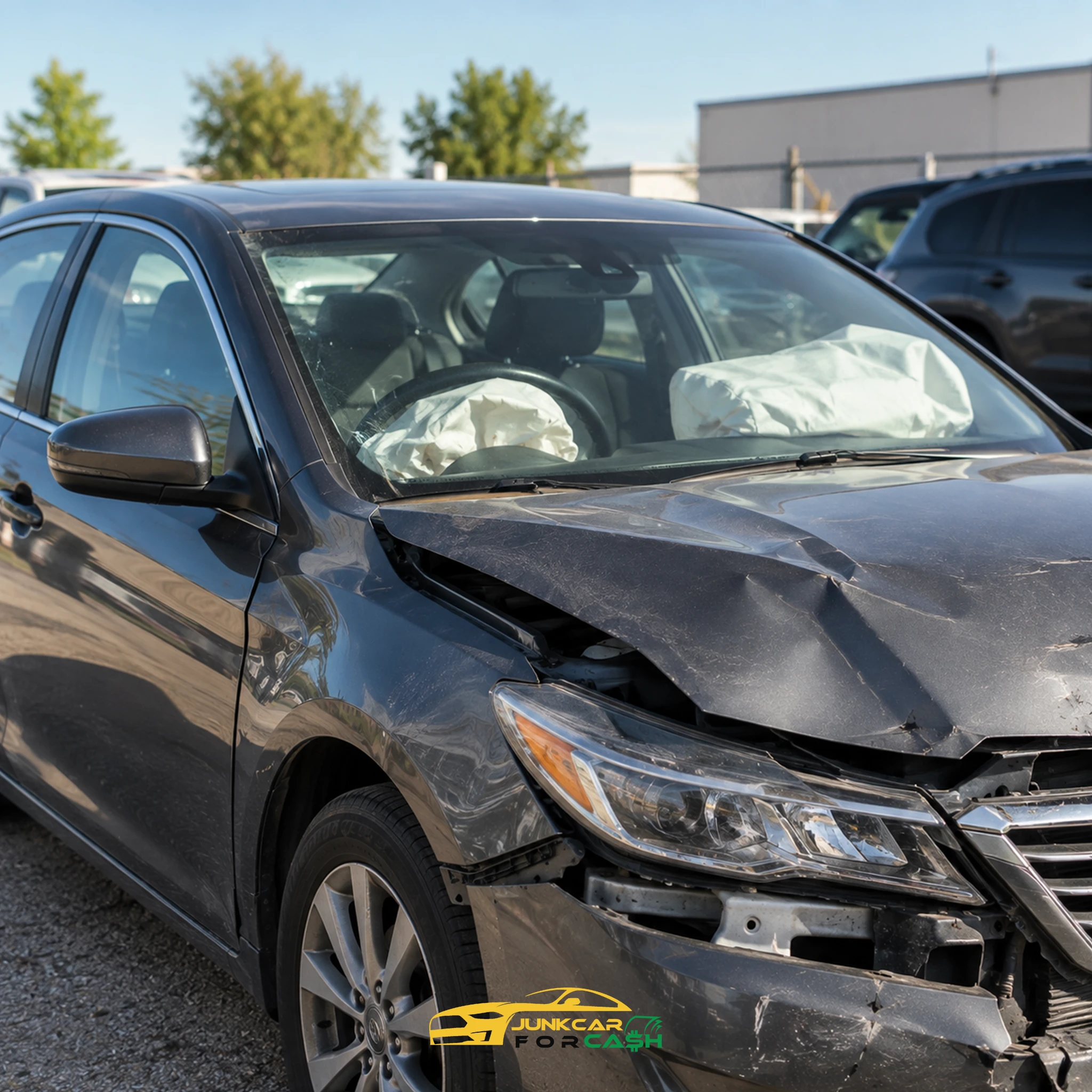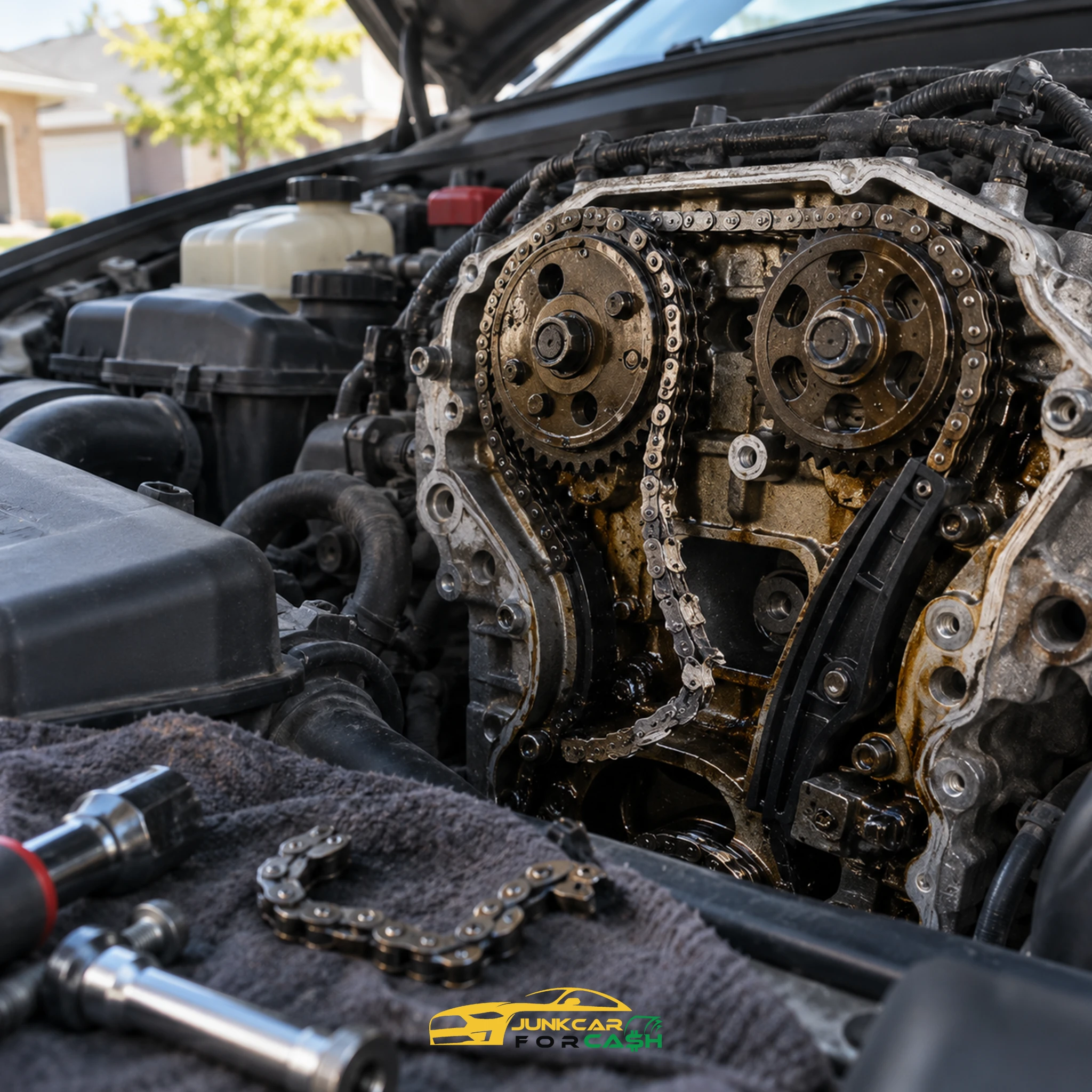

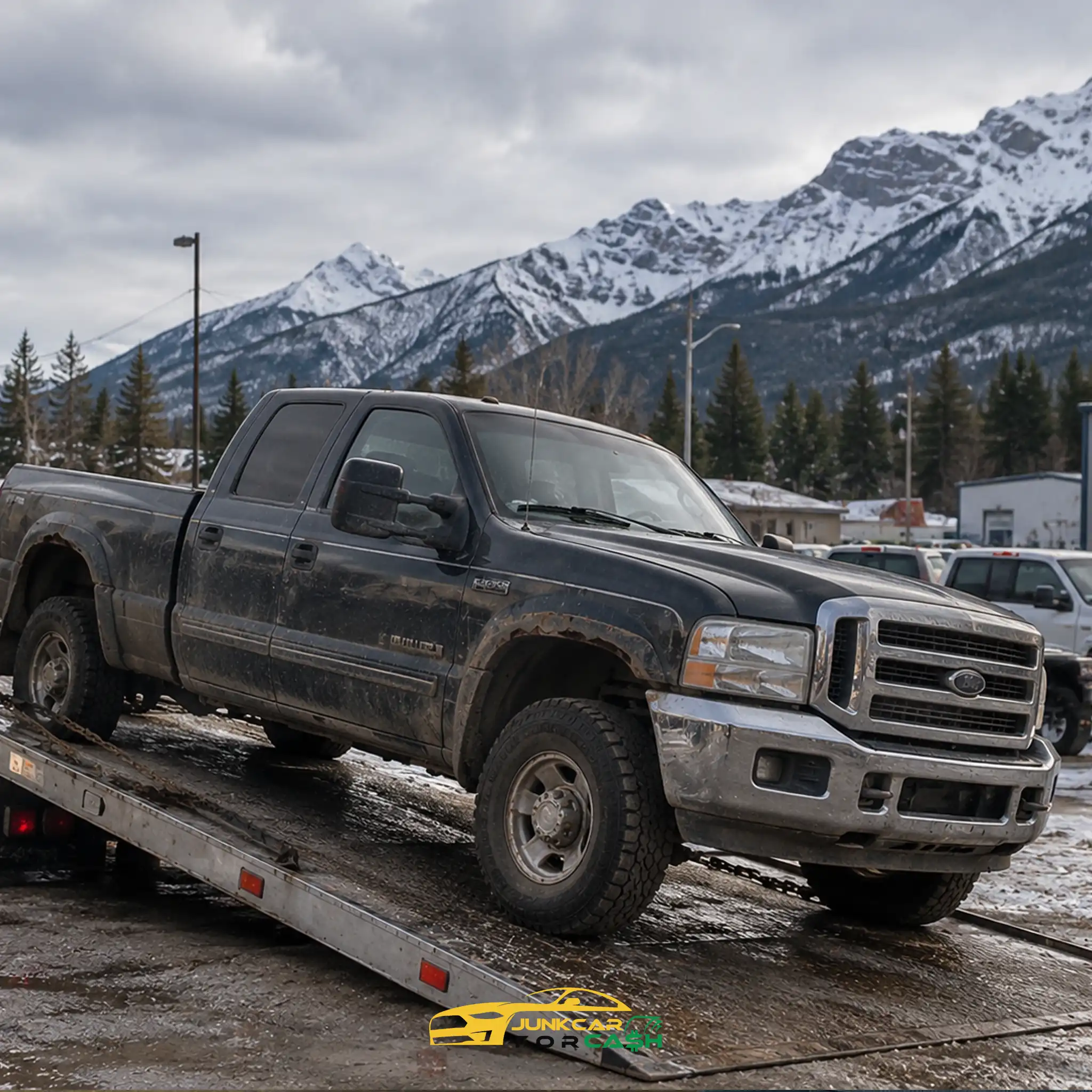
A truck usually holds its value better than a car does, but where you sell it can erase that advantage in a single transaction. List it privately and you might spend weeks fielding lowball offers. Take the first trade-in number and you might leave real money on a truck that would have done well selling on its own. The right channel depends on specific factors: which truck you have, what shape it’s in, and how much of your own time you want to spend. This guide breaks down the real value drivers and matches each type of truck and condition to the selling method that makes sense.
Get a Free Quote
If your truck is older, non-running, or not worth the effort of a private sale, you don’t have to figure out its value alone. Junk Car For Cash buys trucks in any condition across Calgary and 40+ Alberta communities, with free towing and payment on pickup. Email [email protected] or fill out the form for a free quote.
What Actually Drives a Truck's Resale Value
Truck resale value comes down to a handful of measurable factors, not general impressions about trucks holding value well as a category.
Brand and Model
Not all trucks depreciate at the same rate, even within the same size class. Canadian Black Book, the industry’s vehicle valuation authority, tracks which models hold their value best. In its 2026 Best Residual Value Awards, the Toyota Tacoma topped the small and mid-size pickup category, followed by the Ford Maverick and GMC Canyon. In full-size trucks, the Toyota Tundra led, with the Ram 1500 and Chevrolet Silverado close behind. Toyota has now won the Overall Brand Award for SUVs and trucks four years running.
That doesn’t mean a Silverado or a Ram is a poor choice to sell. It means buyers are willing to pay a premium for certain models, and knowing where your truck sits on that list helps you set a realistic asking price before you list it anywhere.
Mileage and Mechanical Condition
Mileage matters more on a truck that’s been used for towing or hauling than on one driven mostly empty, since load-bearing components wear differently. A truck with service records showing regular fluid changes, brake work, and transmission care will earn a stronger offer than an identical-mileage truck with no history, even if both run fine today. Buyers assume the worst about an unknown maintenance history, and that assumption shows up in the number they’re willing to pay. A basic pre-sale inspection from a mechanic replaces that guesswork with documented condition, which can support a higher asking price on a private sale in particular.
Diesel vs. Gas and Trim Level
Diesel trucks can attract stronger demand from buyers who tow or haul regularly, since diesel powertrains offer torque and fuel economy under load that those buyers value enough to pay for. That demand can support a firmer resale number for the right truck, though fuel type is only one factor: mileage, maintenance history, and the specific model still matter, and a diesel that’s spent its life doing light, unloaded driving doesn’t get the same benefit, since the extra complexity of the diesel emissions system becomes a maintenance risk without the offsetting work use.
Trim level and cab configuration matter too. A crew cab with four full doors sells to a wider pool of buyers than a regular cab, and 4×4 holds stronger demand than 4×2 across most of Alberta given the terrain and weather.
Where Should You Sell a Truck in Alberta?
Once you know roughly what your truck is worth, the channel you choose determines how much of that value you collect, and how much time it costs you to get there.
| Method | Speed | Typical Return | Effort |
|---|---|---|---|
| Private sale | Slow (weeks) | Highest | High |
| Dealer trade-in | Very fast (same day) | Below private-sale value | Low |
| Specialized truck buyer or dealer | Fast (1 to 3 days) | Medium to high | Low |
| Cash-for-junk or damaged-truck buyer | Very fast (same day) | Reflects condition | Very low |
Private Sale
Selling privately through Kijiji, Facebook Marketplace, or AutoTrader can produce the highest sale price for a truck that runs well and doesn’t need major repairs, since you’re negotiating directly with someone who wants that specific truck rather than a dealer who needs to resell it at a markup. It also takes the most effort: photos, listings, screening calls, and test drives with strangers, often over several weeks before the right buyer shows up.
Dealer Trade-In
A dealer trade-in becomes particularly attractive when you’re buying another vehicle from that dealer in the same transaction. Under federal GST rules, the tax on your new vehicle applies only to the difference between its price and your trade-in value, not the full purchase price, which can offset a lower headline trade-in number. Outside of that scenario, a dealer’s trade-in offer is usually below what the same truck would fetch privately, since the dealer needs margin to cover reconditioning and their own profit before reselling it.
Specialized Truck Buyers or Dealers
Some dealers and buyers focus specifically on trucks, particularly diesel and heavy-duty models, and can offer a faster, more competitive number than a general used-car buyer since they already have demand lined up for that specific type of vehicle. This tends to work best for a newer, running truck rather than an older or damaged one, since these buyers are still reselling what they take in.
Selling an Older or Damaged Truck for Cash
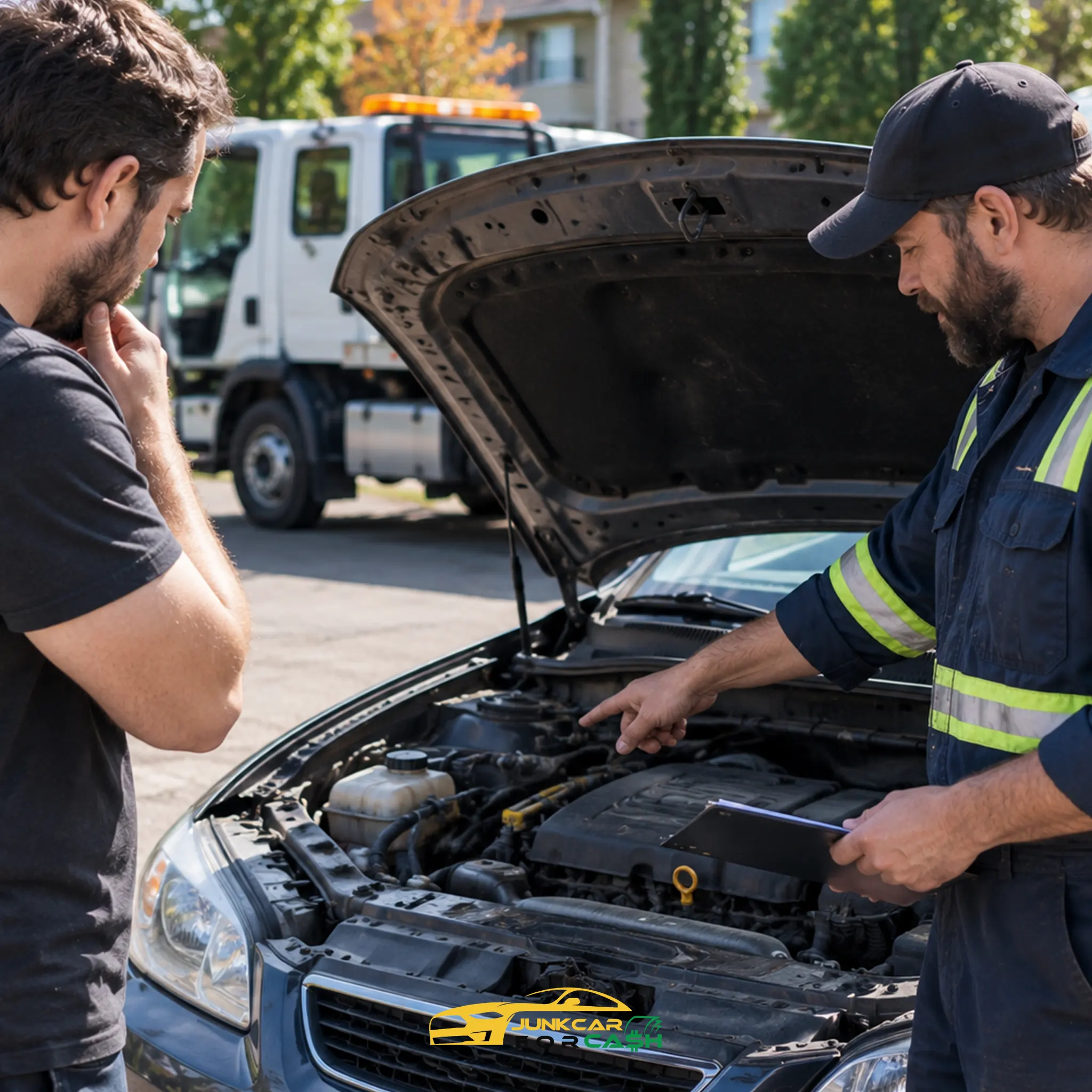
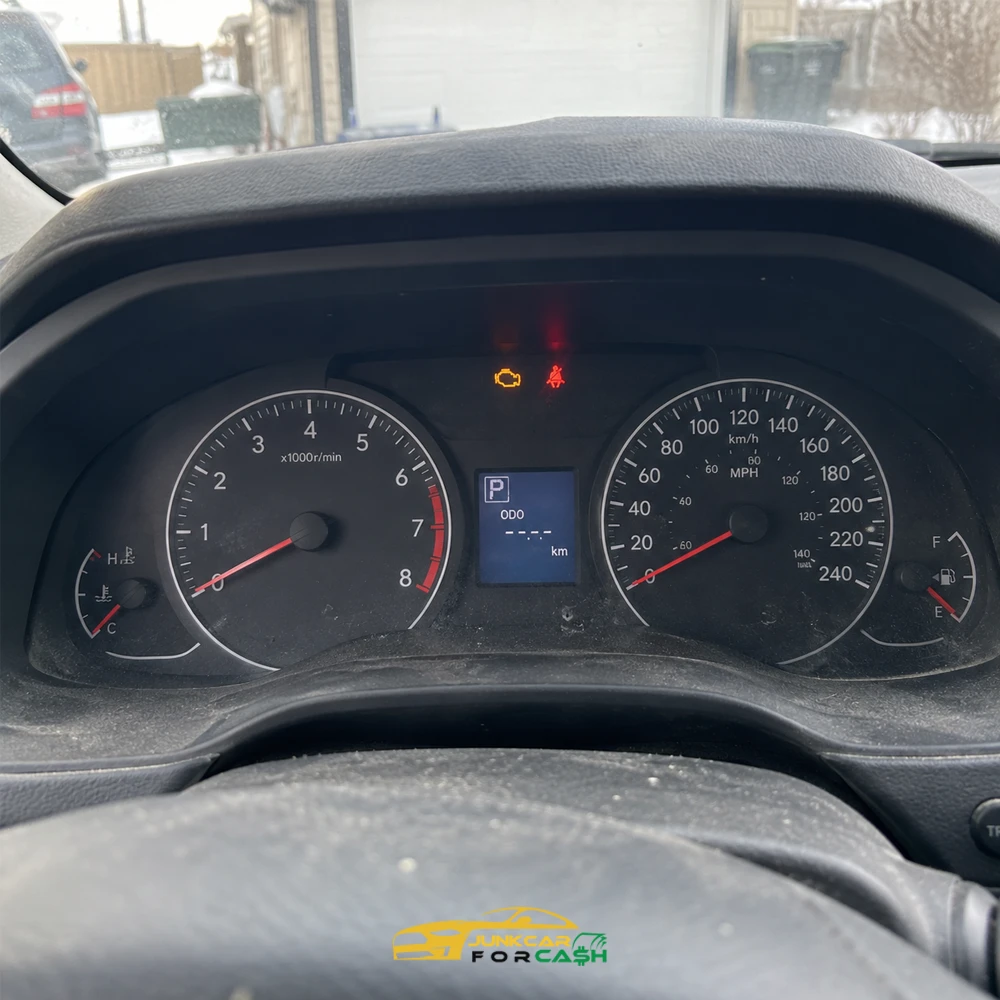
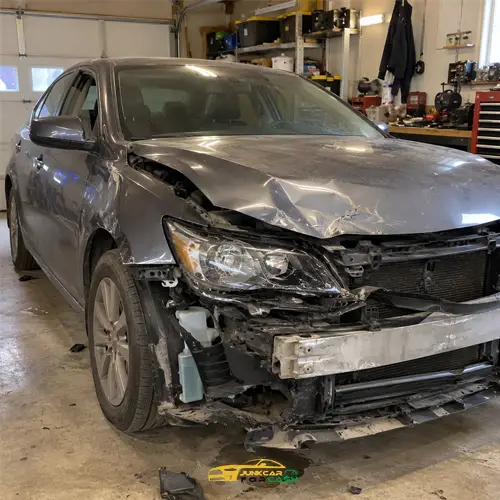
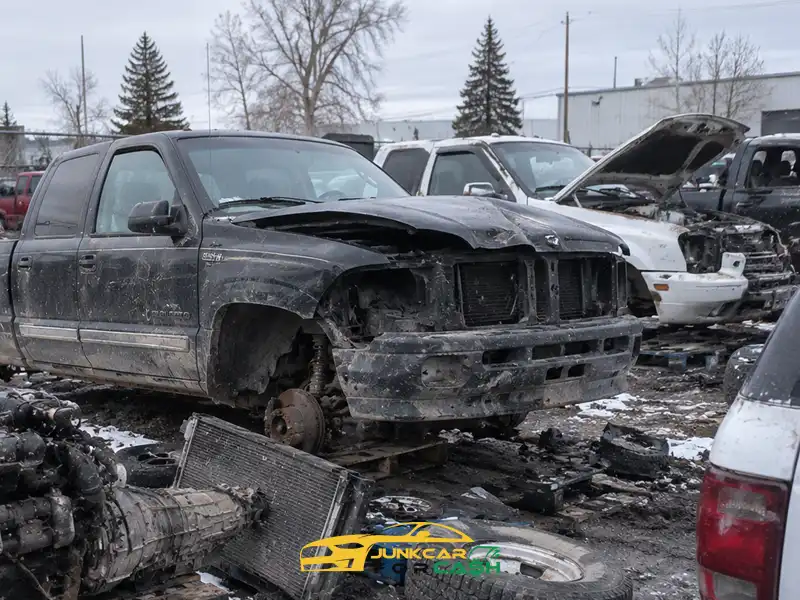
A truck that’s non-running, high-mileage, or has real mechanical or body damage doesn’t fit neatly into any of the options above. Private buyers are shopping for a truck they can drive away, dealers won’t offer much for a trade-in they can’t easily resell, and specialized truck buyers are usually looking for inventory, not a project. This is where a cash buyer that values a truck for its parts, metal, and drivetrain rather than its curb appeal makes more sense.
When a Junk or High-Mileage Truck Is a Different Case
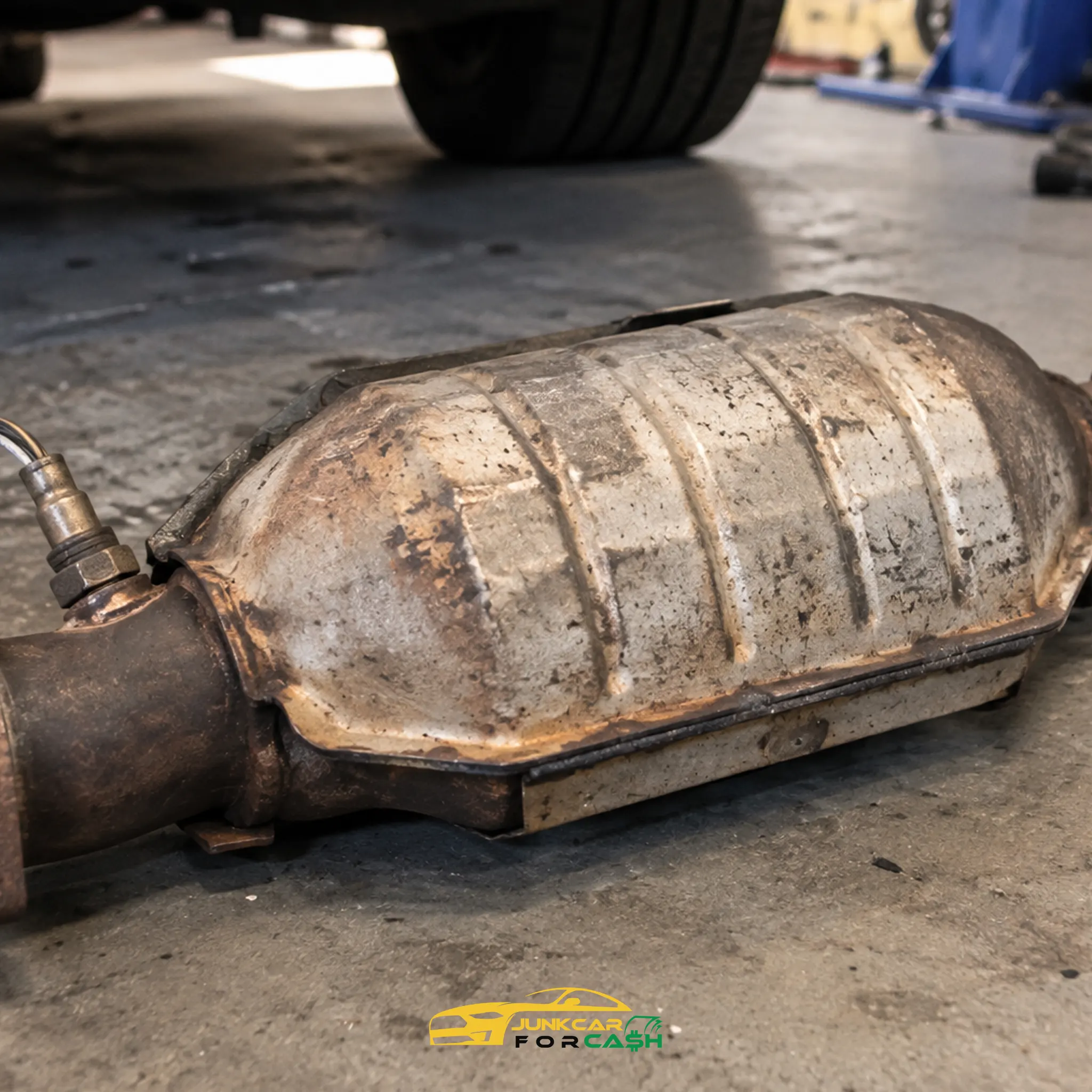
A truck that’s stopped being worth repairing doesn’t lose all its value along with its ability to run. The engine, transmission, catalytic converter, wheels, and body panels all still have resale or scrap value on their own, even when the truck as a whole isn’t going anywhere.
In our experience, older work trucks in particular often surprise their owners with how much they’re still worth, since the same towing and hauling that puts wear on a truck also means it was built with heavier-duty components that still hold parts value long after the truck stops being practical to drive.
- Read Also :
Alberta-Specific Considerations
A few factors specific to Alberta affect both what your truck is worth and how you should plan the sale.
Local Demand for Work Trucks
Trucks do real work in Alberta, hauling equipment on job sites, pulling trailers on farms and acreages, and getting people and gear to rural properties that regular cars can’t reach. That demand isn’t limited to obvious commercial buyers either. Plenty of private buyers across the province are looking for a truck to tow a trailer, handle acreage work, or get through a rural winter, which broadens the pool of people bidding on a well-kept truck compared to a market where trucks are mostly bought for commuting. That working demand keeps the used-truck market here relatively steady even when new-vehicle sales slow down elsewhere, since a truck bought to do a job doesn’t stop being needed just because the broader economy cools.
Seasonal Timing
Season can affect how quickly a truck attracts buyers, though the effect varies by market, vehicle type, and year. If your timeline is flexible, it’s worth watching comparable listings for a few weeks before deciding when to list, rather than assuming any particular month is the best one to sell.
Paperwork You'll Need
Alberta requires a signed standard bill of sale to transfer ownership in a private sale, covering both parties’ names and addresses, the VIN, make, model, and price. Your vehicle’s registration certificate isn’t proof of ownership on its own, but the buyer will still need it on hand to register the truck in their name, so have it ready alongside the signed bill of sale. If you’re selling to a buyer who handles the paperwork directly, like a dealer trade-in or a cash buyer, they’ll typically walk you through what’s needed rather than leaving you to sort it out.
Get a Free Quote
If your truck is older, non-running, or not worth the effort of a private sale, you don’t have to figure out its value alone. Junk Car For Cash buys trucks in any condition across Calgary and 40+ Alberta communities, with free towing and payment on pickup. Email [email protected] or fill out the form for a free quote.
FAQs
The Bottom Line
A truck’s resale value comes down to its brand and model, mileage and maintenance history, fuel type, and condition, not just the fact that it’s a truck. Where you sell it matters just as much: a private sale gets the most money for a truck that runs well, a dealer trade-in only makes sense alongside a new purchase, and a truck that’s stopped being worth repairing still has real value to a buyer who looks past whether it runs. Matching your truck’s actual condition to the right channel is what determines how much of that value you collect.
References
Canadian Black Book. 2026 Best Residual Value Awards. canadianblackbook.com: https://www.canadianblackbook.com/cbb-best-residual-value-awards-highlight-shifting-market-dynamics-in-2026/
Canada Revenue Agency. GST/HST in special cases (trade-ins). canada.ca: https://www.canada.ca/en/revenue-agency/services/tax/businesses/topics/gst-hst-businesses/charge-collect-special-cases.html
Government of Alberta. Standard bill of sale. alberta.ca: https://www.alberta.ca/standard-bill-sale