
In Canada, a vehicle’s title is its official story, a legal record that permanently reflects its history. A serious incident can stamp this document with a ‘brand,’ fundamentally changing its road-worthiness and market value forever.
Understanding the intricate process behind a Restored Salvage Title in Canada is vital, as it involves far more than simple repairs; it’s about navigating a complex legal framework. For vehicle owners across Alberta facing this situation, Junk Car For Cash Canada offers a streamlined alternative to bypass the bureaucracy. This guide demystifies these classifications, helping you decide if restoring your vehicle is worth the effort.
From Crash to Classification
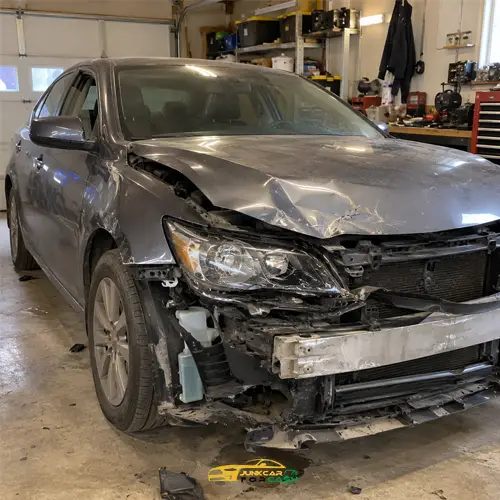
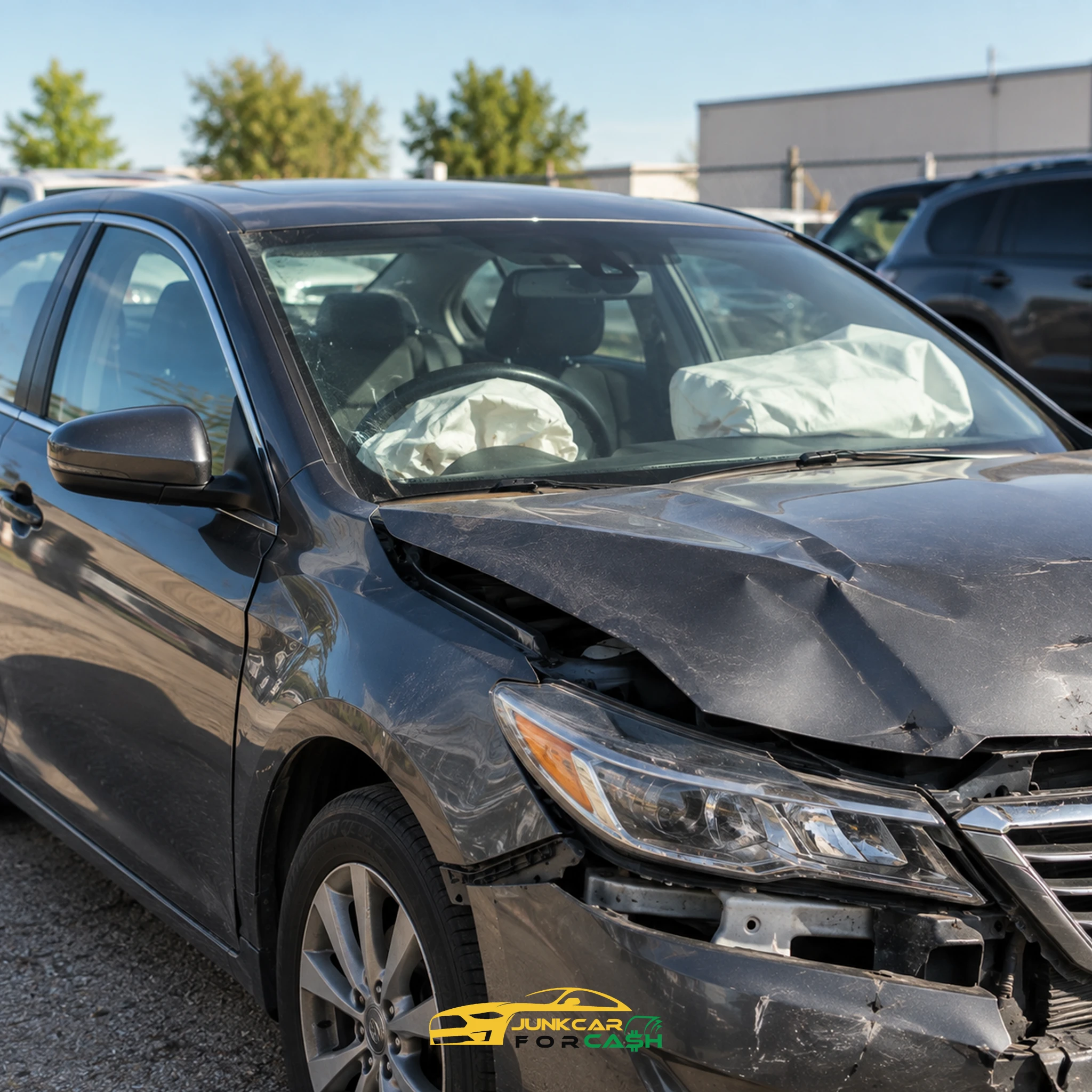
The moment a vehicle’s legal identity changes often starts with an insurance assessor’s report. When a vehicle is declared a “total loss” because the cost of repairs exceeds its market value, it’s moved from a standard classification into a more complex category.
This doesn’t automatically mean the car is destined for the scrapyard, but it does mark the beginning of a new chapter on its official record. To understand your options, it’s essential to know the key differences between the brands you might encounter.
Clean: This is the ideal status. A vehicle with a clean title has no significant damage history reported by an insurance company and has never been declared a total loss. It’s the standard for most cars on the road.
Salvage: Once an insurance provider declares a vehicle a total loss due to collision, theft recovery, or other damages, it receives a ‘Salvage’ brand. At this stage, the vehicle is not legally roadworthy. It cannot be registered or insured for driving until it undergoes extensive repairs and passes a strict inspection.
Rebuilt: A vehicle that was once branded as ‘Salvage’ can earn a ‘Rebuilt’ status. This happens only after it has been professionally repaired to meet strict safety standards and has successfully passed a specific provincial salvage vehicle inspection. While a rebuilt vehicle is legal to drive, register, and insure, this brand permanently remains on its record.
Read Also : Best Sites to Sell a Car in Calgary
A Permanent Mark on Your VIN
This system of vehicle branding isn’t designed to be punitive; its primary purpose is consumer protection and market transparency. It’s a Canada-wide initiative, often referred to as the Canadian Vehicle Status and Marking Program (CVSMP), which aims to prevent unsafe or improperly repaired vehicles from re-entering the market and being sold to unsuspecting buyers.
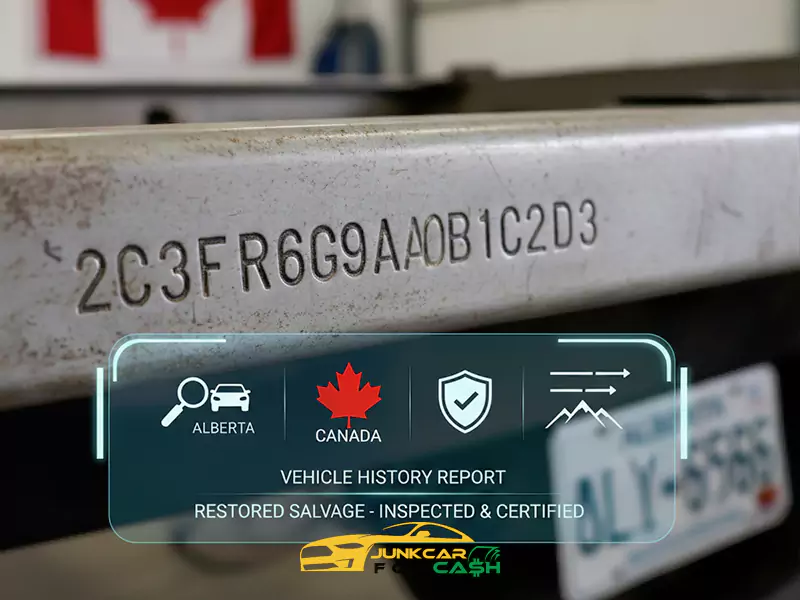
While the program is national, each province, including Alberta, manages its own specific implementation and inspection criteria. This brand is not just a piece of paper; it becomes a permanent part of the vehicle’s identity, electronically linked to its Vehicle Identification Number (VIN).
Anyone who runs a history report through services like CARFAX will see this brand for the vehicle’s entire lifespan. Understanding the journey of a Restored Salvage Title in Canada helps owners realize the long-term implications.
This permanent record ensures that all future potential buyers are fully aware of the car’s significant past, which is why transparency is legally required during a sale. For many owners, the complexity of this process is what makes services that handle Junk Cars Calgary an attractive alternative.
Passing Alberta’s Crucial Inspection
Transforming a ‘Salvage’ vehicle back into a road-legal car is a highly regulated and demanding journey. In Alberta, this path involves several critical, non-negotiable steps before a ‘Rebuilt’ brand can be issued. This process ensures that the vehicle is not just cosmetically repaired, but structurally sound and safe for the road. The steps are as follows:
- Initial Paperwork: The owner must first purchase a “Request for Vehicle Inspection” form from an Alberta Registry Agent. Following this, a comprehensive “Rebuilt Vehicle Work Plan” must be completed, outlining the scope and methodology of the planned repairs.
- Professional Repairs: All repairs must adhere to the rigorous standards set by the vehicle’s original equipment manufacturer (OEM) or the Inter-Industry Conference on Auto Collision Repair (I-CAR). The owner is required to keep meticulous records, including all receipts for parts and photographic evidence of the vehicle before and during the repair process.
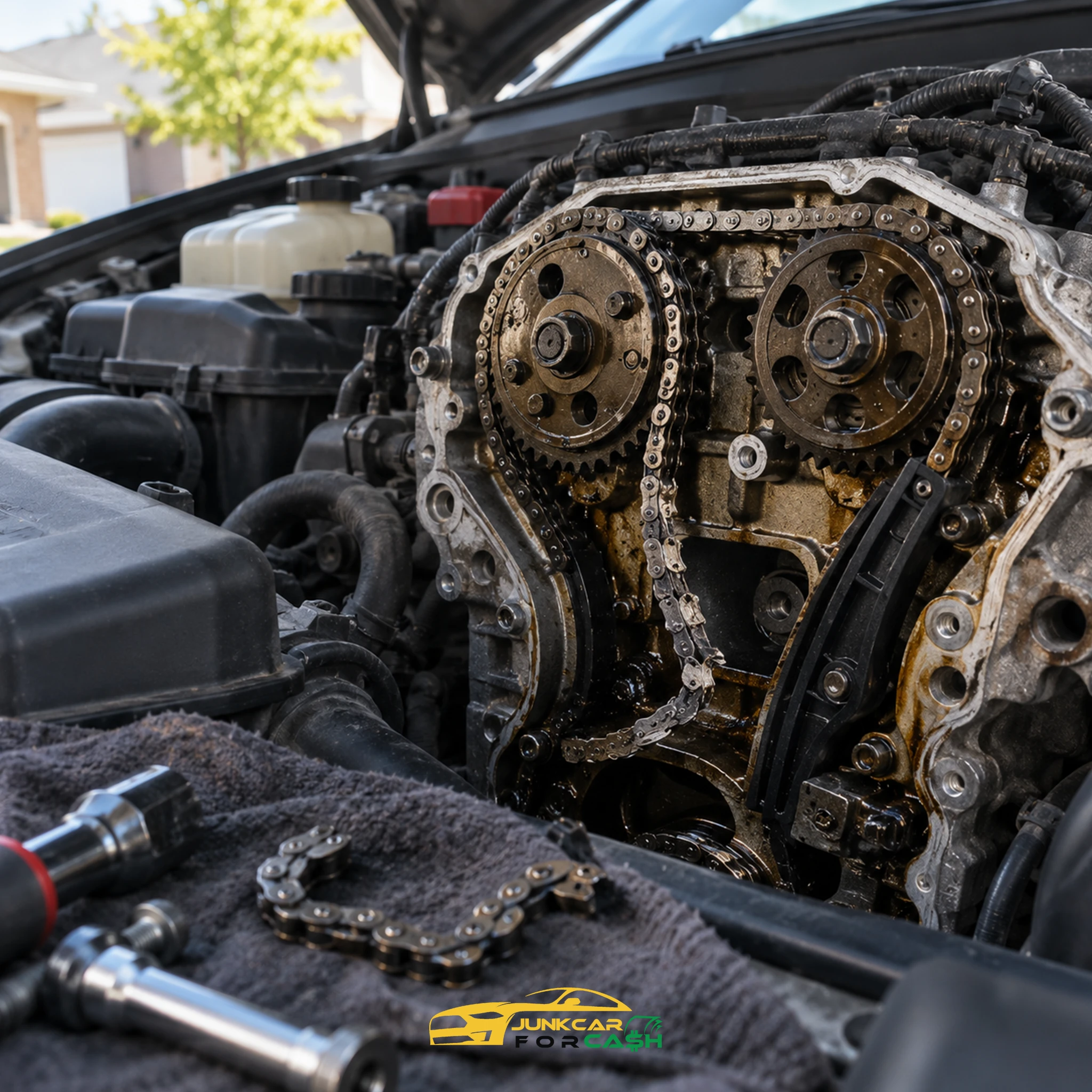
- The Salvage Inspection: Once repairs are complete, the vehicle is presented to a provincially licensed inspection facility. This is not a standard mechanical check-up; it is an exhaustive examination that can last up to four hours, focusing on structural integrity and the quality of the repairs.
- Final Certification: If the vehicle passes this intensive inspection, a salvage inspection certificate is issued. The owner then has just 14 days to take this certificate to a registry agent to have the vehicle’s status officially updated from ‘Salvage’ to ‘Rebuilt’.
Rebuilt Status and Your Wallet
Even after successfully completing the difficult journey to get a Restored Salvage Title in Canada, the financial consequences are significant and long-lasting. The ‘Rebuilt’ brand permanently affects the vehicle’s monetary worth and its relationship with insurance providers.
Owners must be prepared for a noticeable financial difference compared to a similar model with a clean history. If you intend to Sell Junk Car Calgary, knowing these details is vital. Here are the key financial impacts you can expect:
- Significant Vehicle Devaluation: The primary financial hit comes from the vehicle’s market value. A car with a rebuilt title is typically worth between 20% to 40% less than the exact same make and model with a clean title. This depreciation is permanent and will affect any future attempts at resale.
- Insurance Challenges: While it is possible to get insurance for a rebuilt vehicle in Alberta, it’s often more difficult and more expensive. Some insurance companies may charge higher premiums, while others might limit the coverage options available, potentially refusing to offer comprehensive or collision policies and only providing basic liability coverage.
- Lower Payouts on Future Claims: In the unfortunate event of another accident, the insurance payout for a rebuilt vehicle will be calculated based on its lower, post-brand market value, not the value of a clean-titled equivalent.
The Point of No Return
Not all damaged vehicles are given a second chance. Beyond Salvage and Rebuilt, there is a third, more definitive classification: ‘Irreparable’. This brand is reserved for vehicles that have sustained such catastrophic damage that they are permanently disqualified from ever being legally driven on Canadian roads again.
An ‘Irreparable’ brand is typically assigned due to severe structural compromise, such as a twisted frame, or extensive contamination from events like flooding. These vehicles can never have their title upgraded to Rebuilt.
Their only legal purpose is to be used for parts or dismantled for scrap metal. For anyone owning a vehicle with this designation, the best and only course of action is to sell it to a reputable service that deals in Scrap Car for Cash Calgary, as investing any money in repairs is futile.
Turn Your Title Trouble Into Cash
If the rebuilding process is too costly or your vehicle is branded ‘Irreparable,’ there’s a smarter alternative. Junk Car For Cash Canada specializes in these exact situations. We bypass the entire complicated journey of obtaining a Restored Salvage Title in Canada by offering you instant cash for your vehicle, regardless of its condition.
Our service covers all of Alberta, including Calgary and Edmonton, turning a complex problem into a simple solution. Our process is fast, transparent, and designed for your convenience:
- Instant Cash Offer
- Free Same-Day Towing
- No Hidden Fees
- Service Across Alberta
Ready for a simple solution? Fill out our online form now and convert your vehicle into cash today.
Read Also : Transfer Car Ownership Alberta
Conclusion
A vehicle’s title brand is a permanent chapter in its history, fundamentally defining its legal status, safety, and financial worth in Canada. Understanding the clear lines between Salvage, Rebuilt, and Irreparable allows owners to make informed, practical decisions instead of investing in a lengthy and often costly repair process. Ultimately, knowing the true implications behind a Restored Salvage Title in Canada empowers you to recognize when the most sensible path forward is to bypass the complexities and opt for a direct, guaranteed, and profitable cash solution for your vehicle.