
A fire-damaged car feels like a total loss the moment it happens. The insurance company calls it a write-off, the registration gets flagged as salvage, and most private buyers won’t go near it. What most owners don’t realize is that “written off” and “worthless” aren’t the same thing. Fire damage ranges from a small engine fire caught in minutes to a complete burn that leaves nothing but a shell, and the value gap between those two scenarios is significant.
If you’ve got a fire-damaged vehicle in Alberta and you’re not sure what to do with it, this post covers what the damage actually means for your title, what the car is still worth, and how to sell it without the run-around.
Ready to Get a Cash Offer on Your Fire-Damaged Car?
If you’ve got a fire-damaged vehicle in Alberta and you want to know what it’s worth, email us at [email protected] with the year, make, model, and a brief description of the damage. Junk Car For Cash buy fire-damaged cars, trucks, and SUVs across Calgary and 40+ Alberta communities, any condition, free towing included, and we pay before the vehicle leaves your property.
What Fire Damage Does to Your Vehicle's Status in Alberta
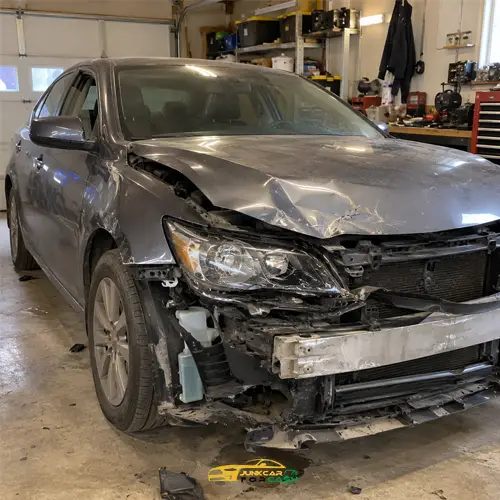
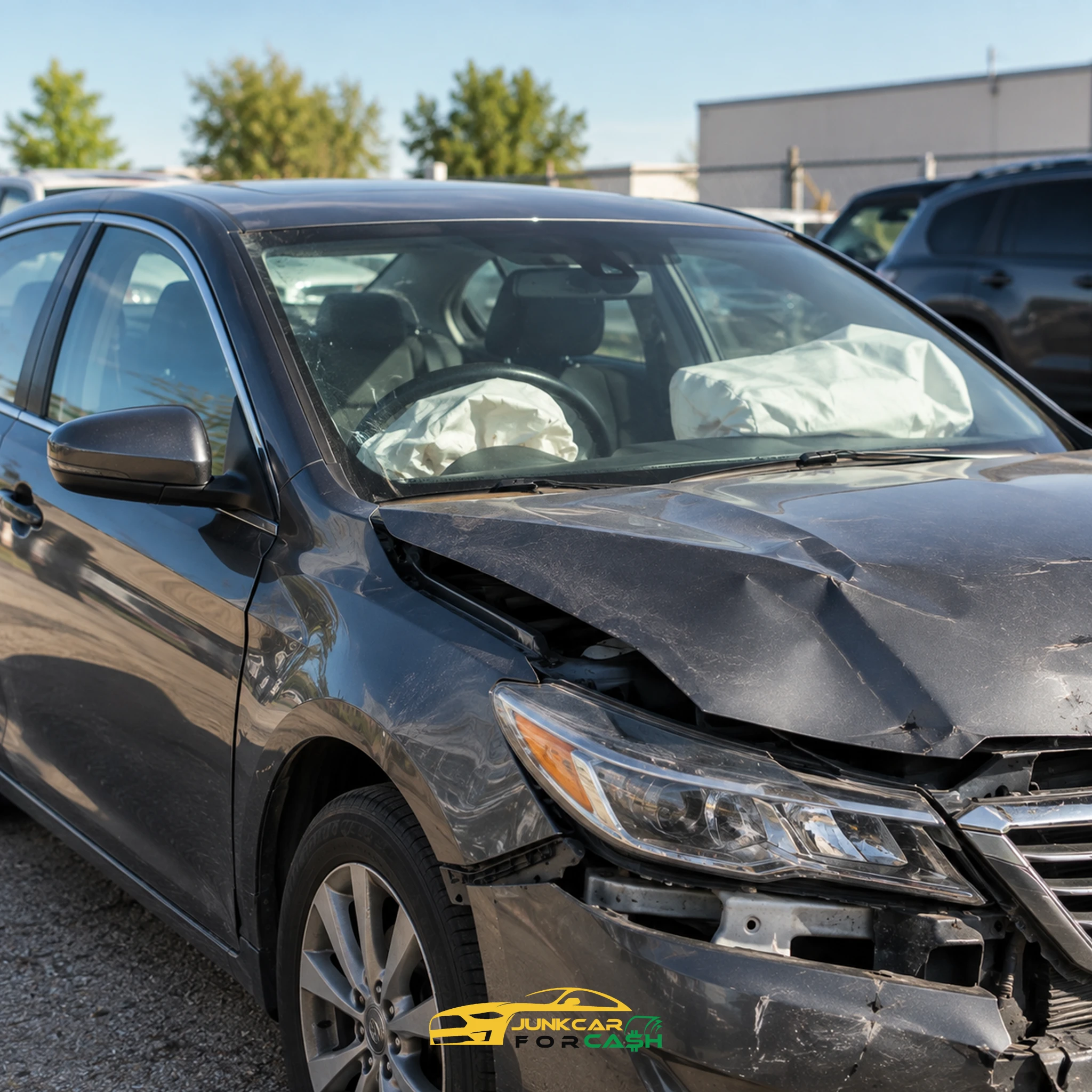
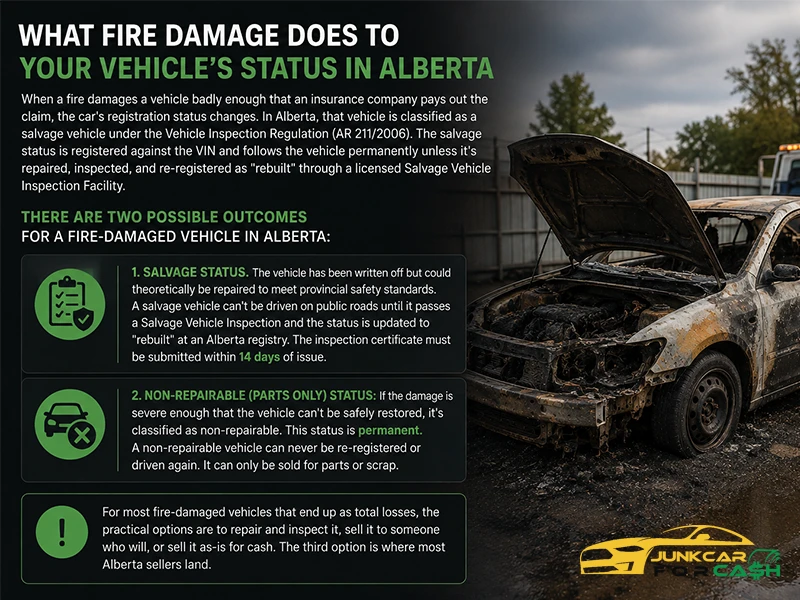
When a fire damages a vehicle badly enough that an insurance company pays out the claim, the car’s registration status changes. In Alberta, that vehicle is classified as a salvage vehicle under the Vehicle Inspection Regulation (AR 211/2006). The salvage status is registered against the VIN and follows the vehicle permanently unless it’s repaired, inspected, and re-registered as “rebuilt” through a licensed Salvage Vehicle Inspection Facility.
There are two possible outcomes for a fire-damaged vehicle in Alberta:
Salvage status. The vehicle has been written off but could theoretically be repaired to meet provincial safety standards. A salvage vehicle can’t be driven on public roads until it passes a Salvage Vehicle Inspection and the status is updated to “rebuilt” at an Alberta registry. The inspection certificate must be submitted within 14 days of issue.
Non-repairable (parts only) status. If the damage is severe enough that the vehicle can’t be safely restored, it’s classified as non-repairable. This status is permanent. A non-repairable vehicle can never be re-registered or driven again. It can only be sold for parts or scrap.
For most fire-damaged vehicles that end up as total losses, the practical options are to repair and inspect it, sell it to someone who will, or sell it as-is for cash. The third option is where most Alberta sellers land.
What a Fire-Damaged Car Is Still Worth
The value of a fire-damaged car depends almost entirely on where the fire started and how far it spread. These aren’t all the same situation.
Engine Compartment Fire
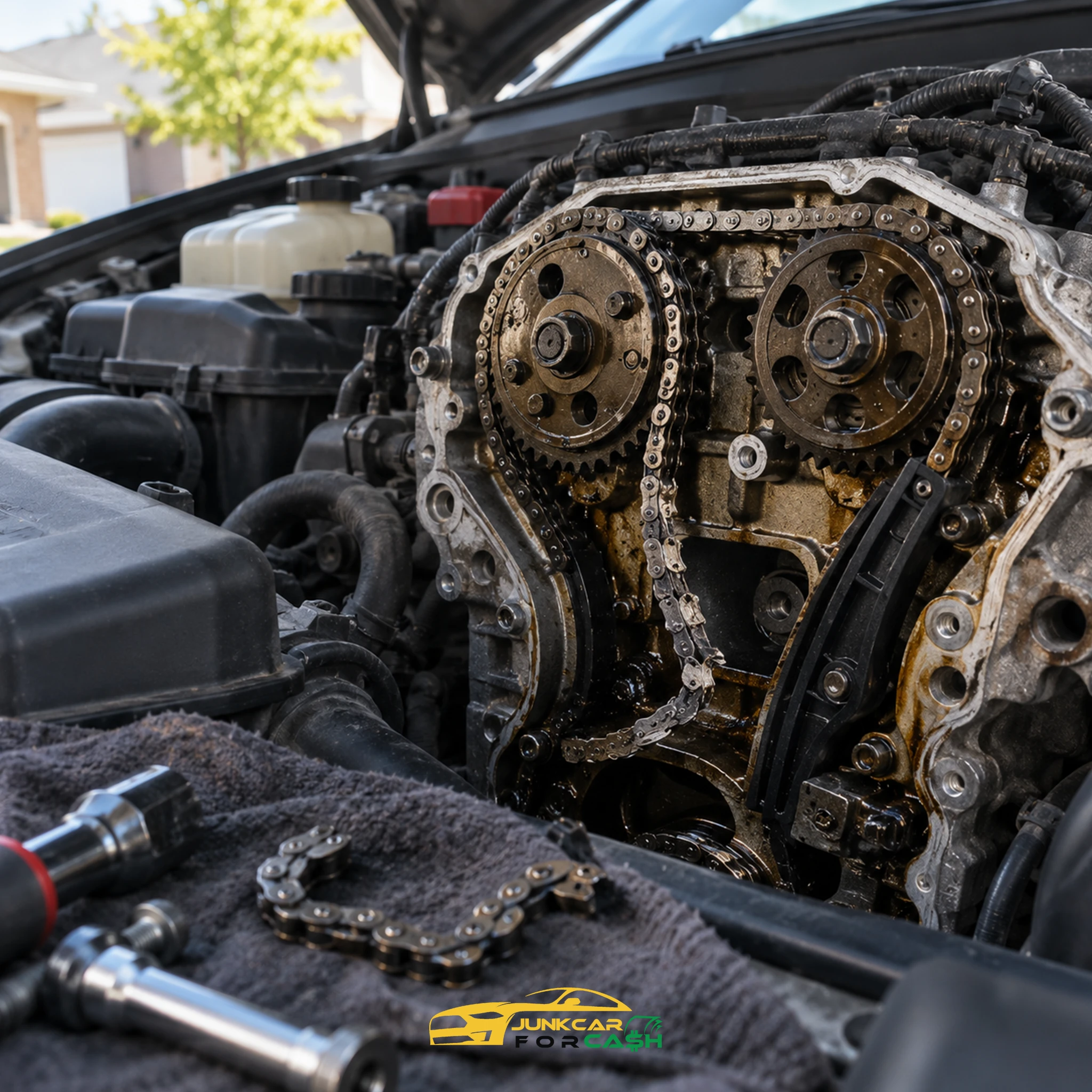
An engine fire caught early is one of the more recoverable scenarios. The heat damage is often confined to wiring, hoses, and plastic components in the engine bay. If the fire was extinguished before it reached the firewall, the cabin, fuel system, and structural frame may be fully intact. A vehicle with a documented engine compartment fire and an otherwise clean body and interior can still carry meaningful parts and scrap value, particularly if the make and model has strong parts demand in Alberta.
Cabin Fire
A cabin fire destroys the interior but often leaves the engine, transmission, and drivetrain untouched. The mechanical value underneath the car may be largely intact even when the cabin is completely gutted. Buyers who price both scrap and parts will assess the drivetrain independently from the interior damage.
Electrical Fire
Electrical fires can be deceptive. They often look contained but can compromise wiring throughout the vehicle in ways that aren’t immediately visible. The offer on an electrical-fire vehicle typically reflects that uncertainty, since the extent of damage to the wiring harness affects what’s reliably recoverable.
Total Burn
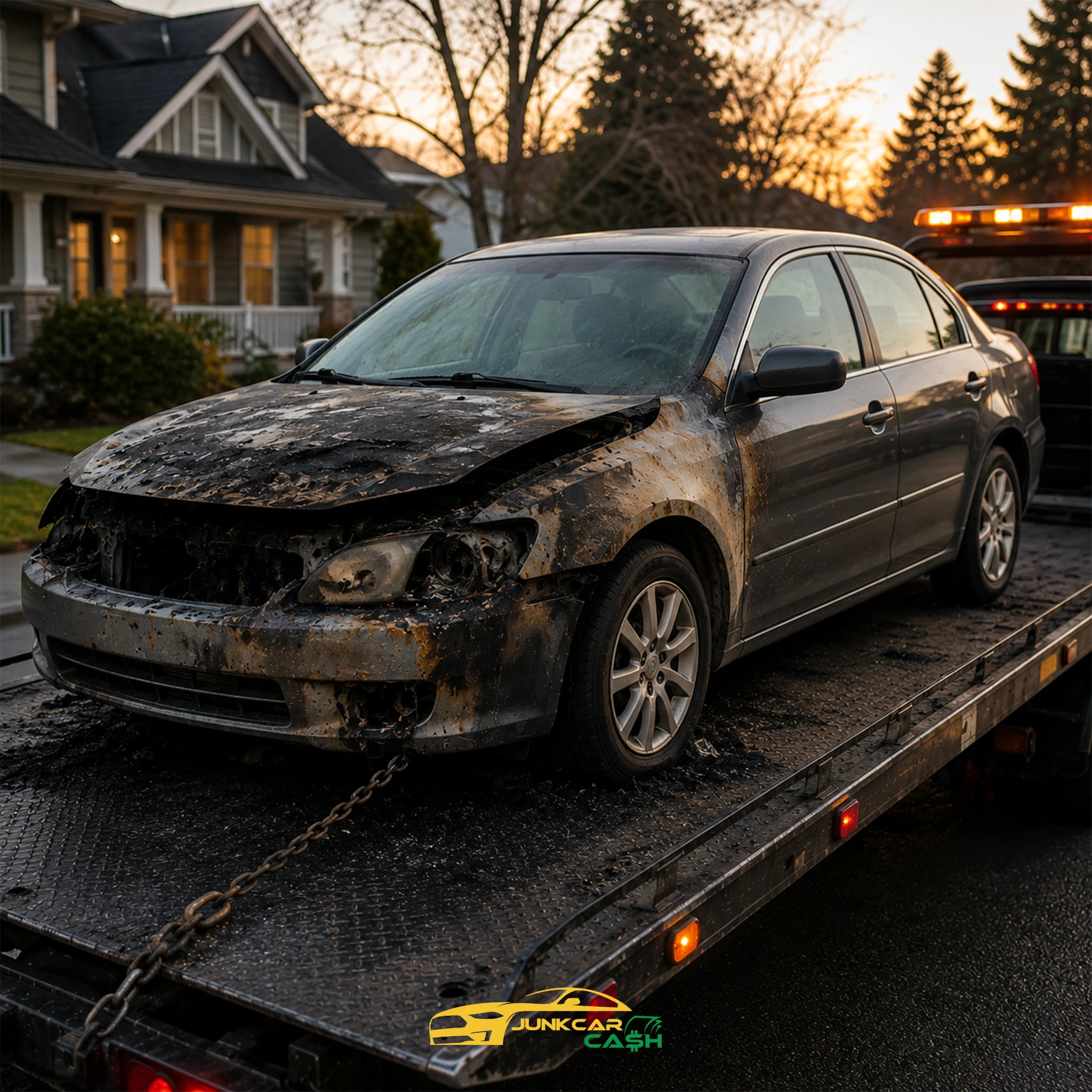
A vehicle that burned completely has lost most of its recoverable parts value. At that point, base metal weight is the primary driver of any offer. The frame, body panels, and engine block still have scrap metal value, but the offer will sit at the lower end of the range.
Can You Sell a Fire-Damaged Car Privately in Alberta?
Technically yes, but it’s difficult in practice. Under Alberta’s disclosure rules administered by AMVIC, sellers are required to disclose whether a vehicle has ever been declared salvage or non-repairable. That disclosure obligation follows the vehicle’s history and can’t be omitted in a private sale. Most private buyers, once they see a salvage or non-repairable designation on the vehicle’s history report, will walk away or offer significantly less than scrap value.
The private sale market for fire-damaged vehicles is narrow. It’s mostly limited to rebuilders and mechanics willing to take on a project, and that group negotiates hard precisely because they know the risks involved.
Does Insurance Settlement Affect How You Can Sell It?
If your insurance company paid out a total loss claim, they typically take ownership of the vehicle. The settlement amount is based on the vehicle’s pre-fire market value, and the insurer then sells the salvage to recover some of their cost. If you want to keep the vehicle after a total loss payout, you can often buy it back from the insurer at its salvage value, but you’ll receive a reduced settlement and you’ll be responsible for all repairs and registration steps before it can be driven again.
If the fire damage wasn’t covered by insurance, or if you didn’t file a claim, the vehicle remains in your name with no change to the title until you sell or scrap it. In that case there’s no waiting period and no buyback process. You can sell directly to a cash buyer as soon as you’re ready.
- Read Also :
Selling a Fire-Damaged Car for Cash in Alberta
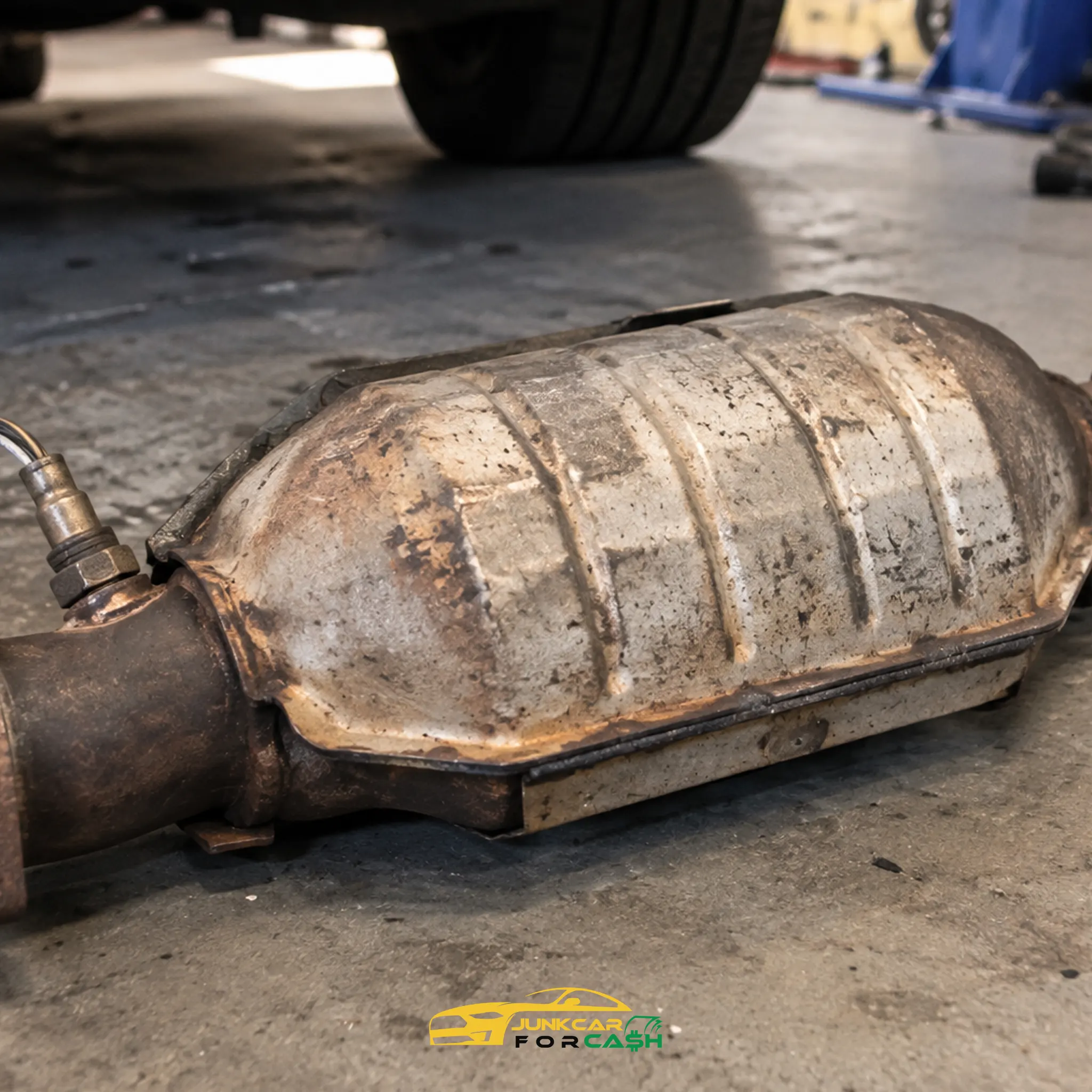
A direct cash buyer is the most straightforward exit for most fire-damaged vehicles in Alberta. The vehicle doesn’t need to be repaired, inspected, or delivered anywhere. You describe the damage and the buyer makes an offer based on what’s still recoverable, including the intact components, catalytic converter if present, and base metal weight.
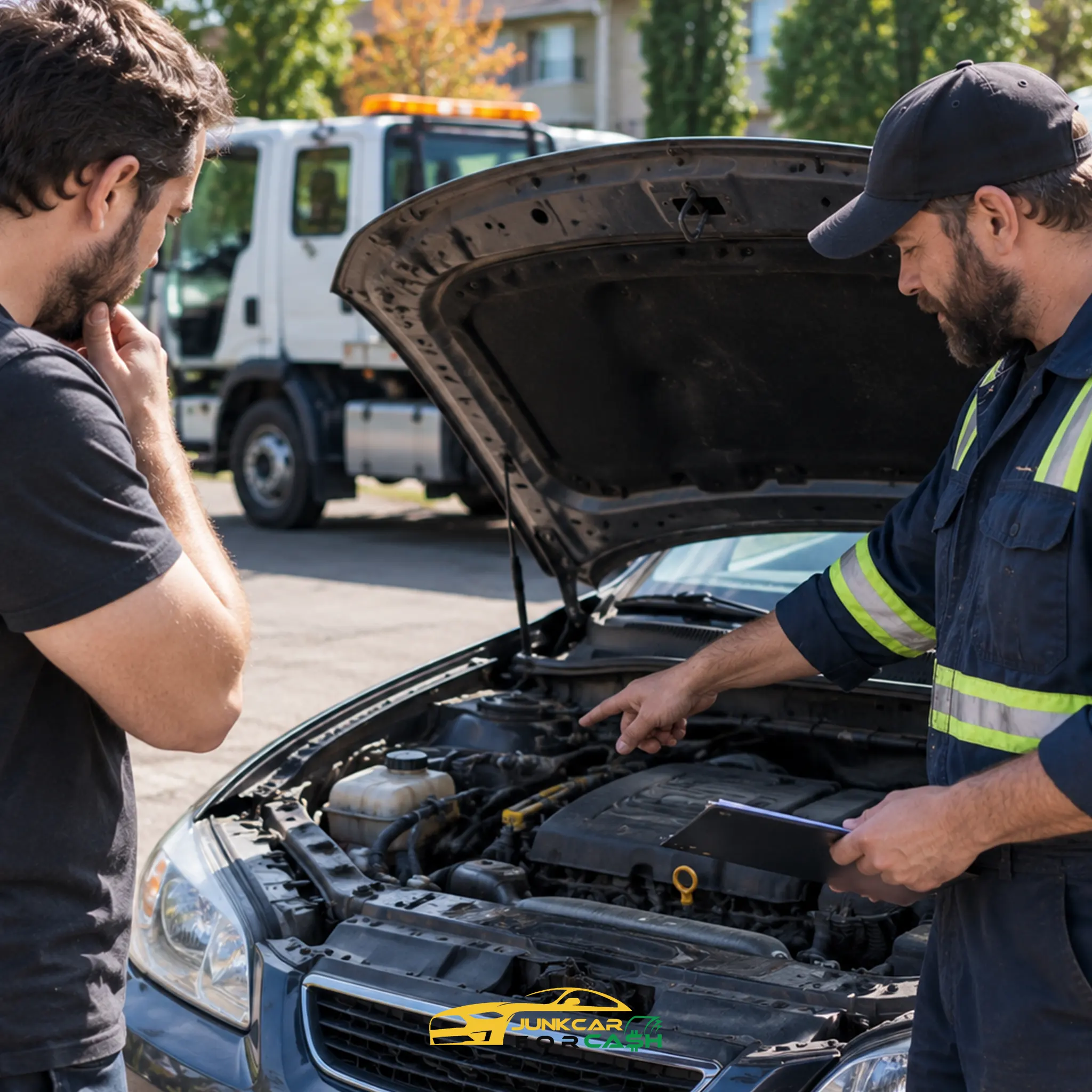
Free towing is included, the buyer handles the paperwork at pickup, and payment is made before the vehicle is loaded. The salvage status on the title doesn’t disqualify the vehicle. Cash buyers purchase fire-damaged vehicles regularly and assess each one on its actual condition rather than the classification on the registration.
What You'll Need to Complete the Sale
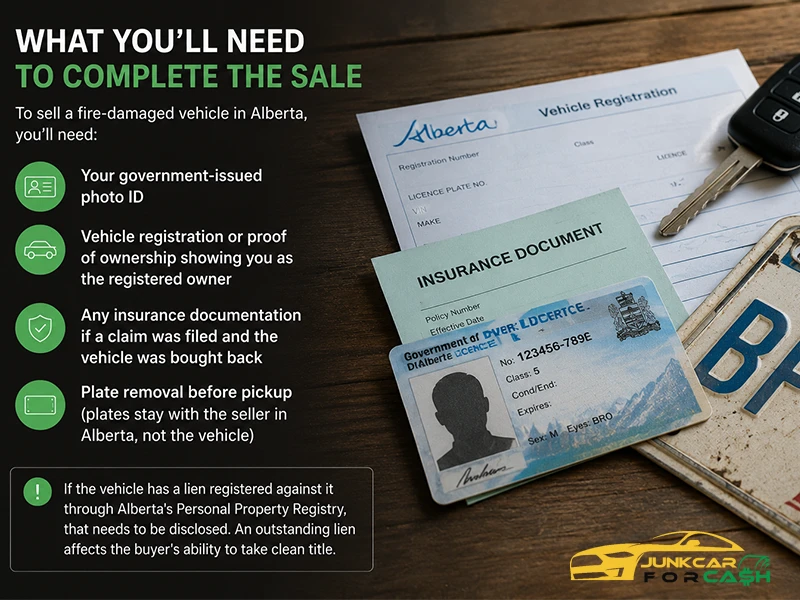
To sell a fire-damaged vehicle in Alberta, you’ll need:
- Your government-issued photo ID
- Vehicle registration or proof of ownership showing you as the registered owner
- Any insurance documentation if a claim was filed and the vehicle was bought back
- Plate removal before pickup (plates stay with the seller in Alberta, not the vehicle)
If the vehicle has a lien registered against it through Alberta’s Personal Property Registry, that needs to be disclosed. An outstanding lien affects the buyer’s ability to take clean title.

Frequently Asked Questions About Fire Damaged Cars
The Bottom Line
A fire-damaged car isn’t automatically worthless, but it does require a different approach than a standard sale. The vehicle’s status changes to salvage or non-repairable once an insurance company declares a total loss, and those designations follow the VIN permanently. Private buyers are hard to find, and the disclosure requirements in Alberta mean the damage history can’t be hidden.
What the car is actually worth depends on the type of fire, how far it spread, and which components are still intact. An engine or cabin fire that left the drivetrain untouched has more recoverable value than most owners expect. A complete burn sits closer to scrap weight. In either case, a direct cash buyer is the fastest, lowest-friction way to convert a fire-damaged vehicle into money without repairs, inspections, or a drawn-out private sale process.
References
- Government of Alberta. Salvage Vehicle Inspections. https://www.transportation.alberta.ca/2822.htm
- Government of Alberta. Vehicle Inspection Regulation (AR 211/2006). https://kings-printer.alberta.ca/documents/Regs/2006_211.pdf
- Government of Alberta. Personal Property Liens. https://www.alberta.ca/personal-property-liens
- Government of Alberta. Standard Bill of Sale. https://www.alberta.ca/standard-bill-sale
- Alberta Motor Vehicle Industry Council (AMVIC). Don’t Be Surprised by Vehicle Condition. https://www.amvic.org/dont-be-surprised-by-vehicle-condition/
- Alberta Automotive Recyclers and Dismantlers Association (AARDA). Canadian Auto Recyclers’ Environmental Code (CAREC). https://aarda.com/About
Ready to Get a Cash Offer on Your Fire-Damaged Car?
If you’ve got a fire-damaged vehicle in Alberta and you want to know what it’s worth, email us at [email protected] with the year, make, model, and a brief description of the damage. Junk Car For Cash buy fire-damaged cars, trucks, and SUVs across Calgary and 40+ Alberta communities, any condition, free towing included, and we pay before the vehicle leaves your property.