
That uninsured car sitting in your driveway can feel like a dead end, especially when you’re not sure whether selling it is even allowed. You want cash for a vehicle that isn’t insured, but conflicting advice and unclear rules make it hard to know if selling a car without insurance is legal or how to do it properly.
Leaving that car untouched means losing potential money, wasting space, and dealing with growing frustration every time you think about what to do next. The longer it sits, the less value it usually holds.
This article explains why selling a car without insurance is legally possible in Canada, what logistical steps are involved in Alberta, and how services like Junk Car For Cash Canada simplify the process into a direct, hassle-free exchange of your vehicle for cash.
Canada’s Stance on Selling Uninsured Vehicles
It is critical to first understand the division of power in Canadian vehicle regulation. At the federal level, the government is primarily concerned with vehicle safety standards and manufacturing through Transport Canada.
There is no federal law that prohibits you from selling your personal property, including a vehicle that is not currently insured. The act of selling is a simple transfer of ownership. The complexities begin at the provincial and territorial level.
These governments have complete jurisdiction over how vehicles are registered, who is licensed to drive them, the rules of the road, and—most importantly for this topic the mandatory insurance requirements for any vehicle that operates on public roadways.
This distinction is the key: while the federal government does not regulate the sale, the provinces regulate the operation, creating a situation where a car can be legally sold but not legally driven off the lot by the buyer.
A Province-by-Province Legal Breakdown
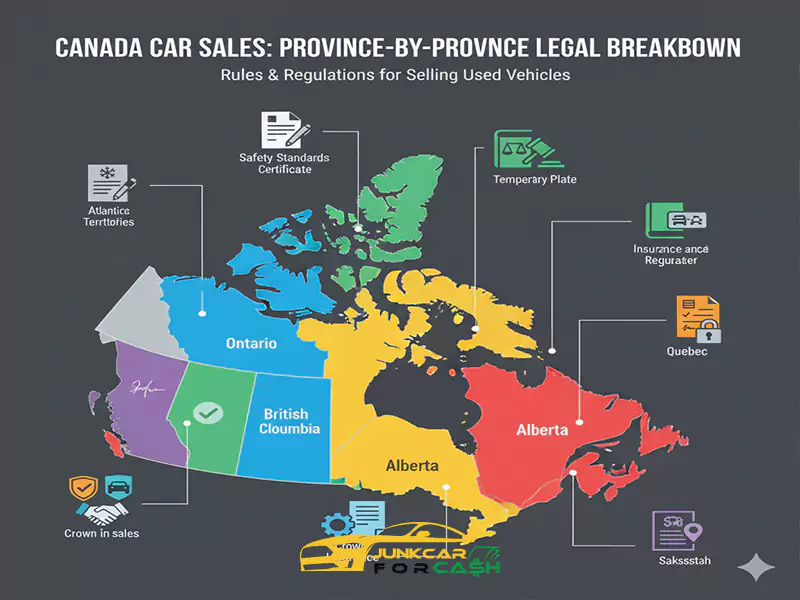
To truly understand the process, you must be aware of the specific regulations in your province, as they dictate the exact paperwork and procedures. The rules can vary significantly from one jurisdiction to another, so here is a look at the requirements in some of Canada’s major provinces.
Alberta
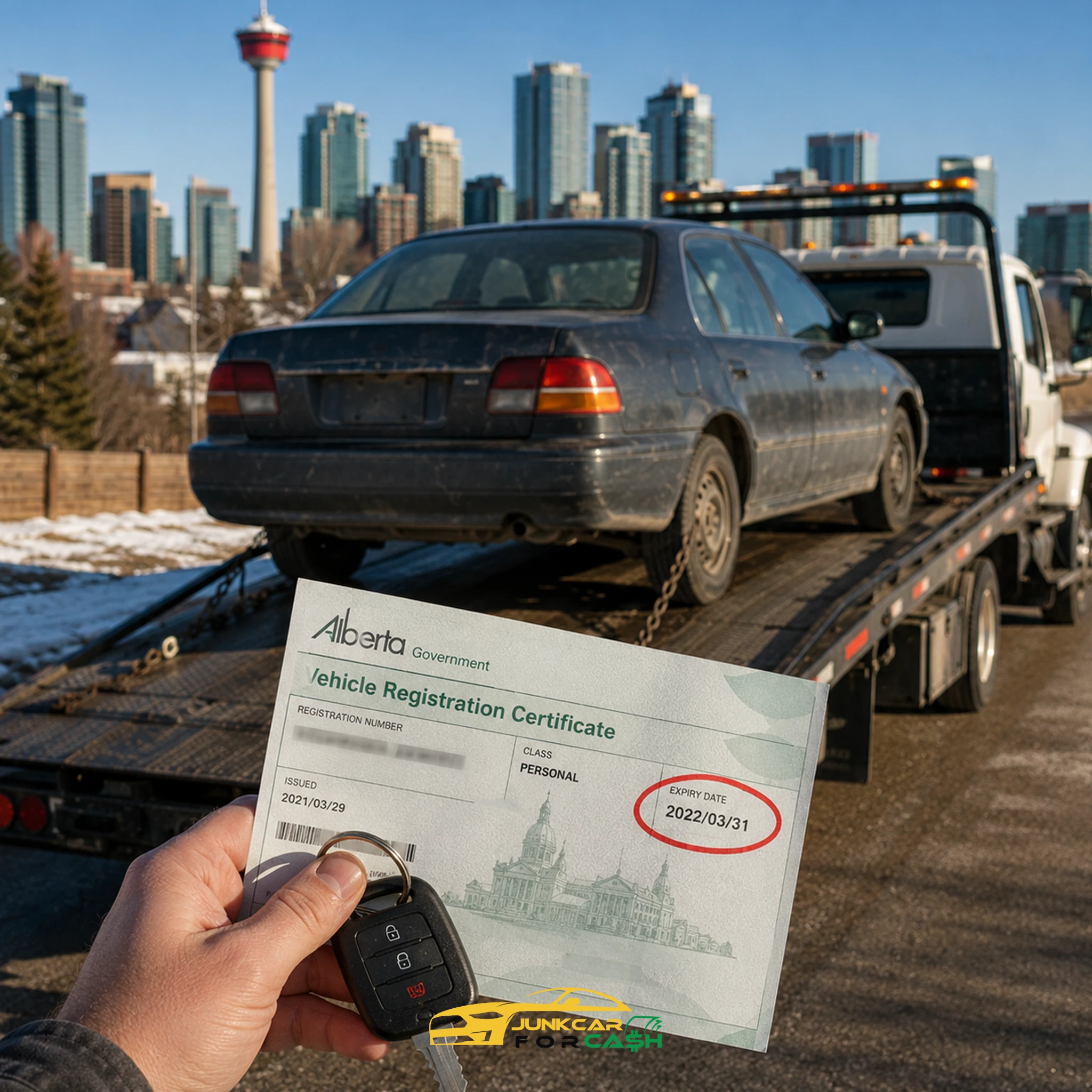
As our primary focus, Alberta’s process is straightforward. A completed Bill of Sale is legally required to transfer ownership. It must include the names of the buyer and seller, the sale date, the price, and the Vehicle Identification Number (VIN). While the car doesn’t need insurance to be sold, the new owner cannot legally drive it without first registering and insuring it. This is where services that provide Junk Car for Cash Calgary become invaluable, as they handle the transportation.
Read Also : Transfer Car Ownership Alberta
Ontario
In Ontario, a key difference is that the license plates belong to the owner, not the vehicle. Before finalizing the sale, the seller must remove their plates. The sale of a used vehicle also requires a Used Vehicle Information Package (UVIP), and the seller must sign the transfer portion of their ownership permit. When a car has no insurance, it is typically sold “as-is,” making the buyer responsible for its removal.
British Columbia
Vehicle insurance and registration are managed by a public entity, the Insurance Corporation of British Columbia (ICBC). To complete a sale, the seller must sign the transfer section on the vehicle’s registration form. Both buyer and seller then need to complete a Transfer/Tax Form. The buyer is responsible for registering and insuring the car with ICBC before it can be legally driven.
Quebec
Quebec law is particularly strict regarding insurance for vehicles on the road. Any vehicle in operation must have a minimum of $50,000 in civil liability insurance. While you can sell an uninsured car, the penalties for driving without this minimum coverage are severe, reinforcing the need for the buyer to secure insurance immediately or have the vehicle towed. Navigating the process of selling a car without insurance requires careful adherence to these provincial details.
The Required Documents for a Legal Transfer
Regardless of your province, a smooth and legal transaction depends on having the correct documentation ready. This paperwork protects both you and the buyer and ensures the transfer of ownership is officially recognized. Think of this as your essential checklist before you even list the car for sale.
- Vehicle Ownership/Registration: This is the primary document proving you are the legal owner. You will need to sign over the title or the transfer portion of this document to the new owner.
- Bill of Sale: While not legally required in every single province, it is highly recommended everywhere. A comprehensive Bill of Sale should detail the vehicle’s information (make, model, year, VIN), the sale price, the date, and the full names and signatures of both the seller and the buyer.
- Photo Identification: The buyer will likely want to confirm your identity matches the name on the ownership document. Having your driver’s license or other government-issued photo ID available adds a layer of security and trust to the transaction.
How to Sell a Car Without Insurance
Understanding how to sell a car without insurance comes down to separating ownership from operation. In Canada, insurance is required to drive a vehicle on public roads, not to sell it. This means the car can legally be sold as long as it is not driven during the transaction. The safest approach is to keep the vehicle parked on private property, gather proof of ownership and a bill of sale, and arrange for towing rather than driving. Professional buyers, especially junk car and scrap car services, are set up specifically for uninsured vehicles. They handle pickup, paperwork, and payment without requiring active insurance, allowing you to complete the sale legally, avoid liability, and receive cash without unnecessary risk.
Common Pitfalls of the Private Sale Route
Opting for a private sale with an uninsured vehicle introduces significant risks beyond simply finding a buyer. The most immediate obstacle is the legal prohibition of offering a test drive, as operating an uninsured car on any public road is illegal nationwide and risks steep fines, severely deterring serious buyers.
More critically, your legal liability for the vehicle does not end until the ownership is officially transferred at a registry office. Canceling your insurance policy prematurely is a crucial mistake; if an accident occurs before the registration is formally in the new owner’s name, you could still be held financially and legally responsible.
Defining a “Cash for Junk Car” Candidate
Not every vehicle is destined for the private market, especially when dealing with the complications of insurance. Many cars are better suited for a specialized service that values them for their parts and materials. Here’s how to identify if your car is a perfect candidate to be sold as Scrap Car for Cash Calgary.
Vehicles with Mechanical Problems
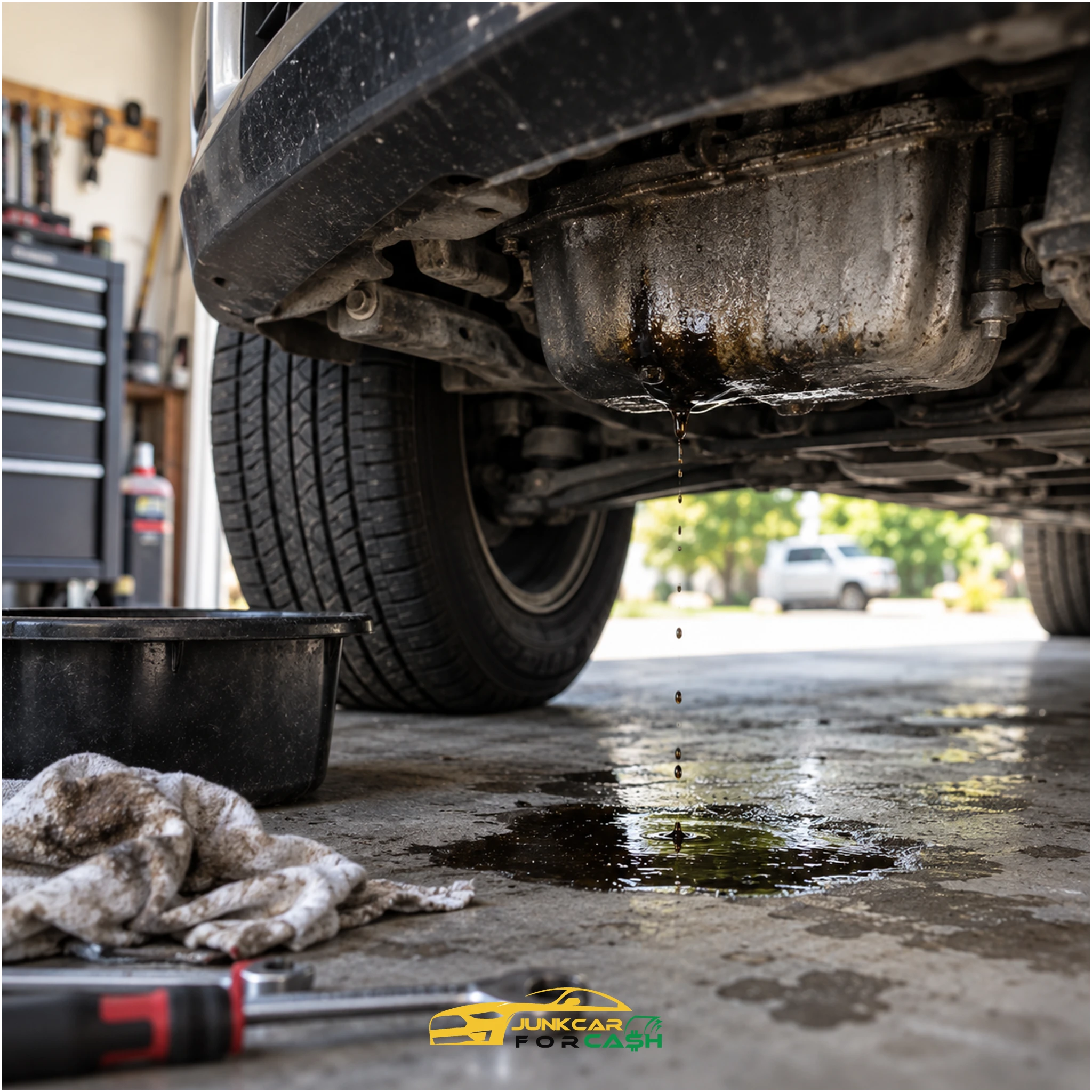
This is the most common category. If your car is facing a major repair that costs more than the vehicle is worth, selling it for cash is a smart financial decision.
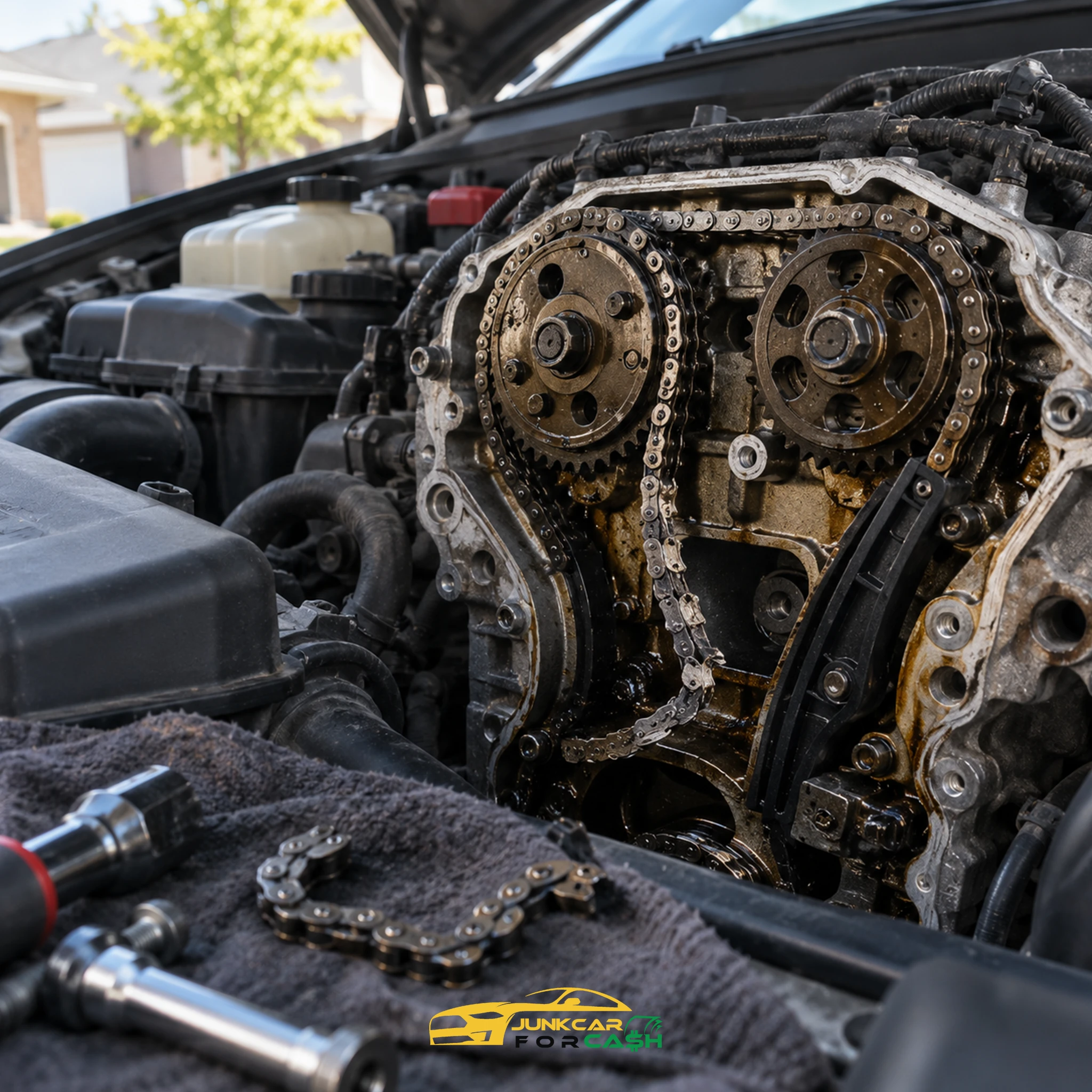
- Cars with a blown engine or a seized motor.
- Vehicles experiencing catastrophic transmission failure.
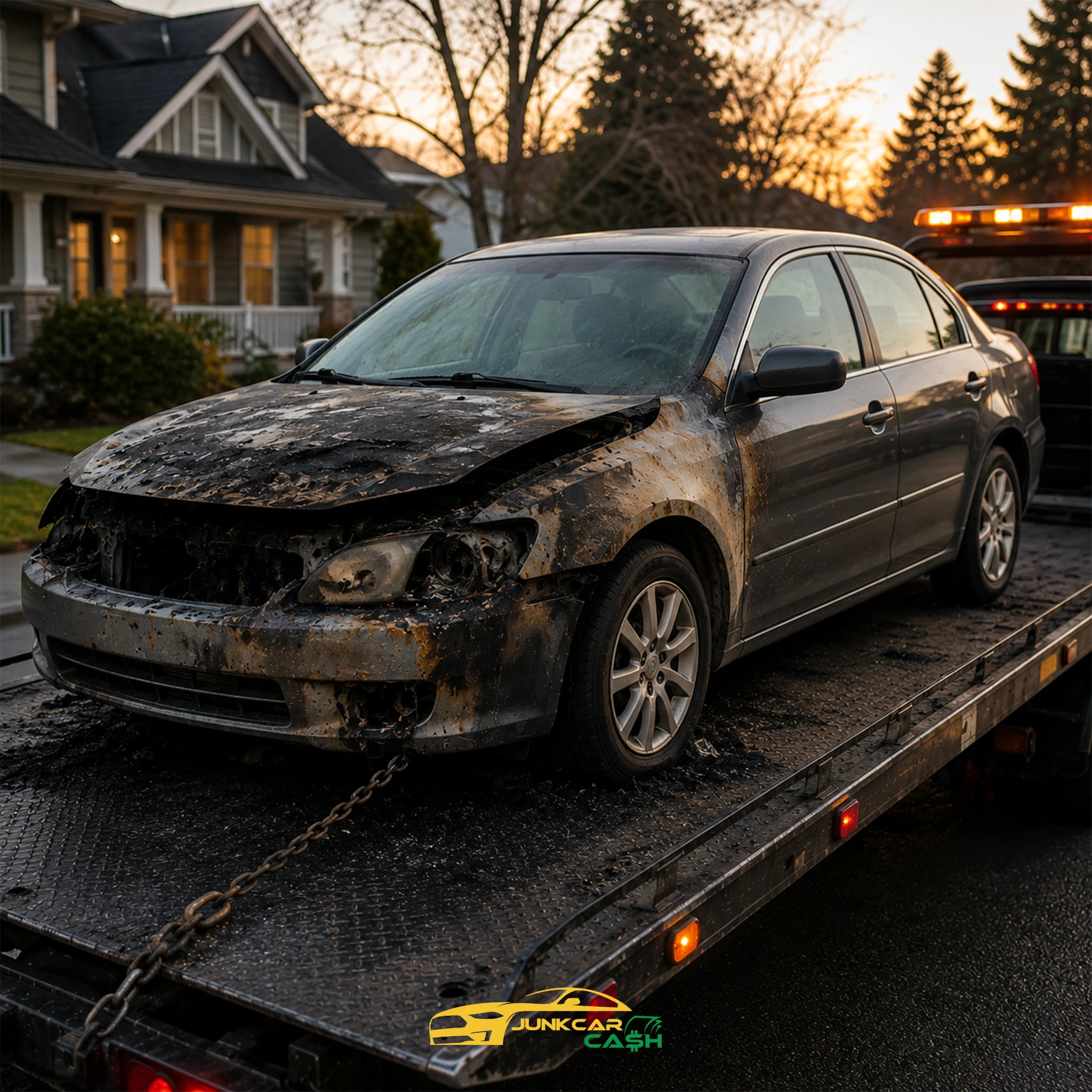
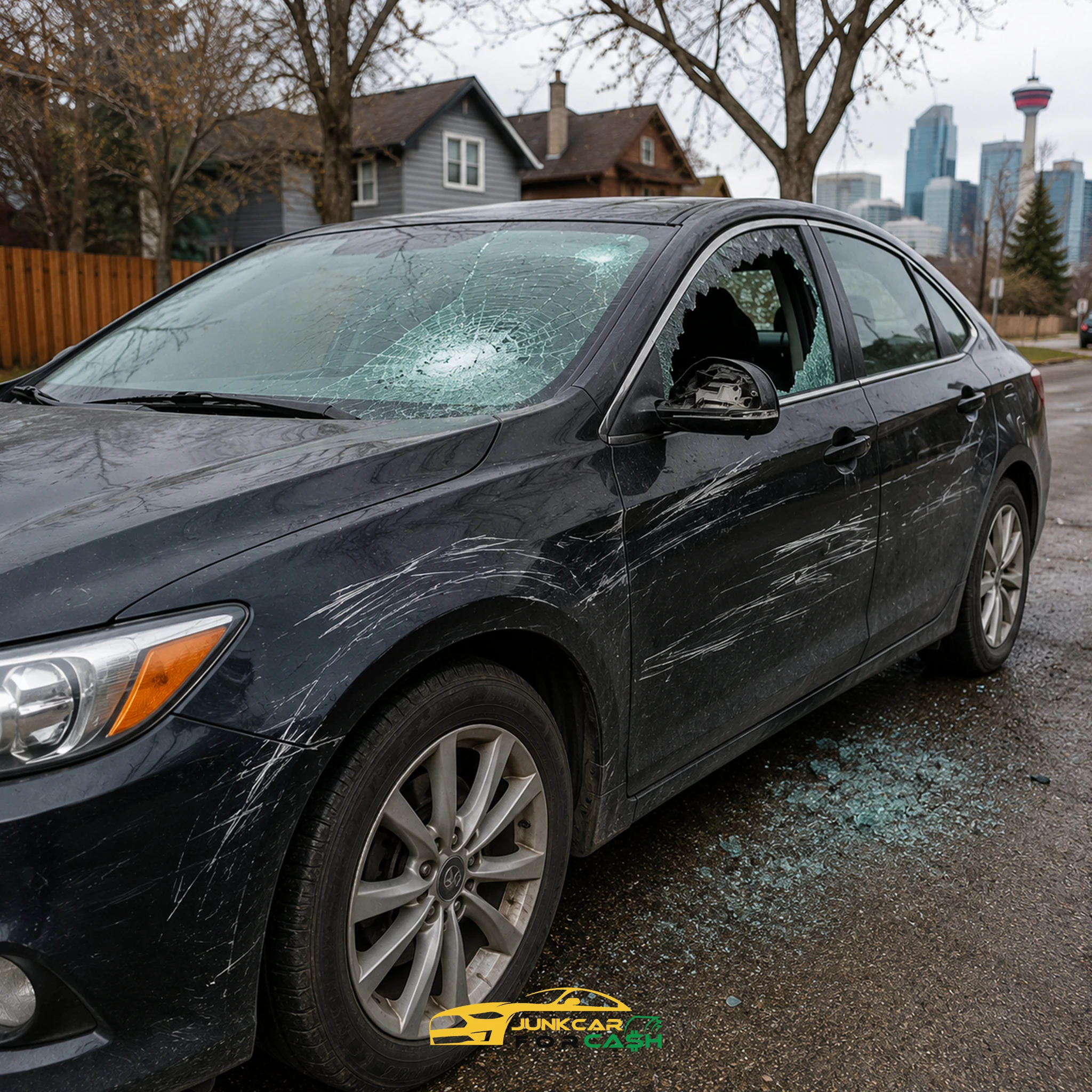
- Cars with significant body damage from accidents or hail, common in places like Calgary.
- Any vehicle that has failed a safety inspection and requires extensive repairs.
Read Also : sell a car with a blown engine
Unwanted or End-of-Life Cars
Sometimes a car runs perfectly fine but has simply reached the end of its practical life for you. These vehicles are also prime candidates.
- Older models (e.g., from the 1990s or early 2000s) where maintenance and tax costs are becoming a burden.
- Unused vehicles that are simply taking up space in your garage or driveway.
- Cars you’ve inherited that you have no use for.
The Junk Car For Cash Calgary Advantage
When the hurdles of a private sale seem too high, a dedicated service offers a clear and straightforward path forward. This approach eliminates every common pitfall associated with selling a car without insurance.
The entire process is designed for maximum efficiency and convenience for the seller. Instead of you navigating paperwork and transportation, we bring the solution to your doorstep. The service is built on a promise of “We Buy Cars in Any Condition,” ensuring that whether you have a damaged truck in Red Deer or an unwanted sedan in Airdrie, your vehicle has value.
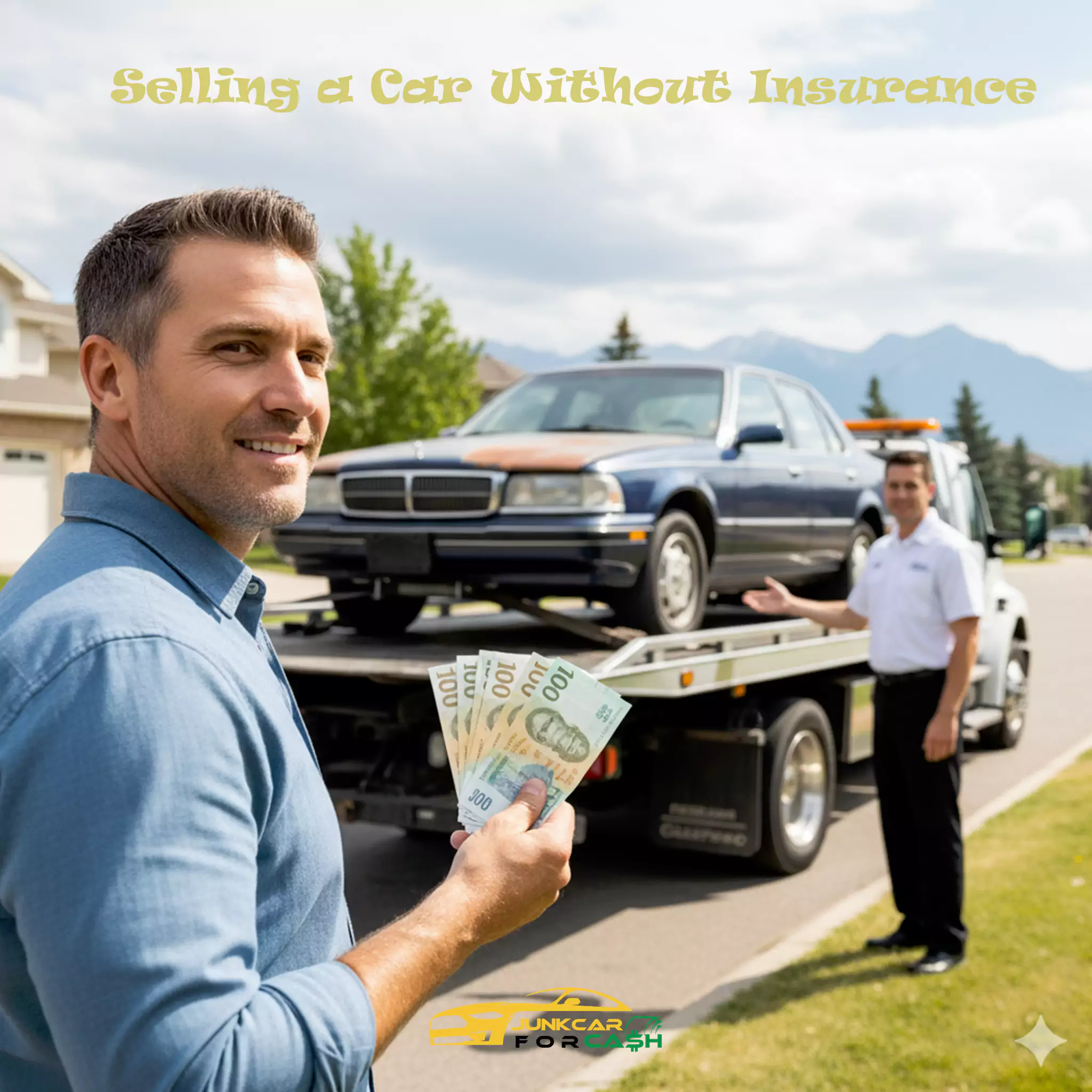
You can receive a quote, schedule a same-day pickup, and have your vehicle towed away for free, often within hours. The payment is made instantly, on the spot, with no hidden fees or last-minute deductions. Getting Cash For junk Car Calgary removes all the stress and legal ambiguity, turning a liability into an immediate payment without you ever having to leave your home.
Read More: Totaled Car Insurance PayoutConclusion
The process of selling a car without insurance in Canada comes down to understanding legal boundaries and choosing the right execution strategy. While it’s allowed, navigating provincial rules and the risks tied to private buyers can quickly become overwhelming for most vehicle owners.
In Alberta, especially in and around Calgary, working with a professional car removal service is often the most practical and secure option. This route eliminates legal uncertainty, avoids unnecessary exposure, and turns what could drag on for months into a straightforward, same-day exchange.
It’s a clean way to convert an idle vehicle from a lingering liability into immediate value, without added stress.