
The price for an older or non-running vehicle is usually agreed on the phone, but it’s only confirmed when the truck pulls up. Between the call and the pickup, a surprising number of quotes change: a wheel that won’t roll, a missing part nobody mentioned, a driveway a flatbed can’t reach. Each surprise gives the buyer a reason to adjust the number, and each adjustment comes out of the seller’s pocket. Alberta’s winters and long gravel driveways make these surprises more common than they should be. This guide covers the tips to get more money for your used car for older, damaged, or non-running vehicles, focusing on what to do before pickup day so the price you were quoted is the price you keep.
Find Out What Your Junk Car Is Really Worth Today
How Can You Get More Money for Your Used Car Before Pickup Day?
Make the vehicle match the description you gave, keep it complete, take out your belongings, and make the pickup easy. A quote rests on what the buyer expects to find, so anything that differs on arrival, from a missing part to a blocked driveway to a car that won’t roll, gives the buyer grounds to change it. Most of the steps below take a few minutes and cost nothing, and together they remove the common reasons quotes shrink at the curb. The table shows a simple countdown to follow.
| When | What to Do | Why It Protects the Price |
|---|---|---|
| Three days before | Photograph the vehicle and note why it stopped running | Gives the buyer an accurate picture from the start |
| Two days before | Empty the car and gather your paperwork | Prevents delays and last-minute questions |
| One day before | Clear the access route and check the wheels and steering | Lets the driver load the vehicle without extra work |
| Pickup day | Walk around the car with the driver and confirm the number | Settles any difference before the vehicle is loaded |
| After pickup | Handle your plate, insurance, and copies | Closes out your responsibility cleanly |
What Should You Photograph, and How Should You Describe the Problem?
Good information is the cheapest way to keep a quote from moving. Two habits make the biggest difference.
Which Photos Protect Your Quote?
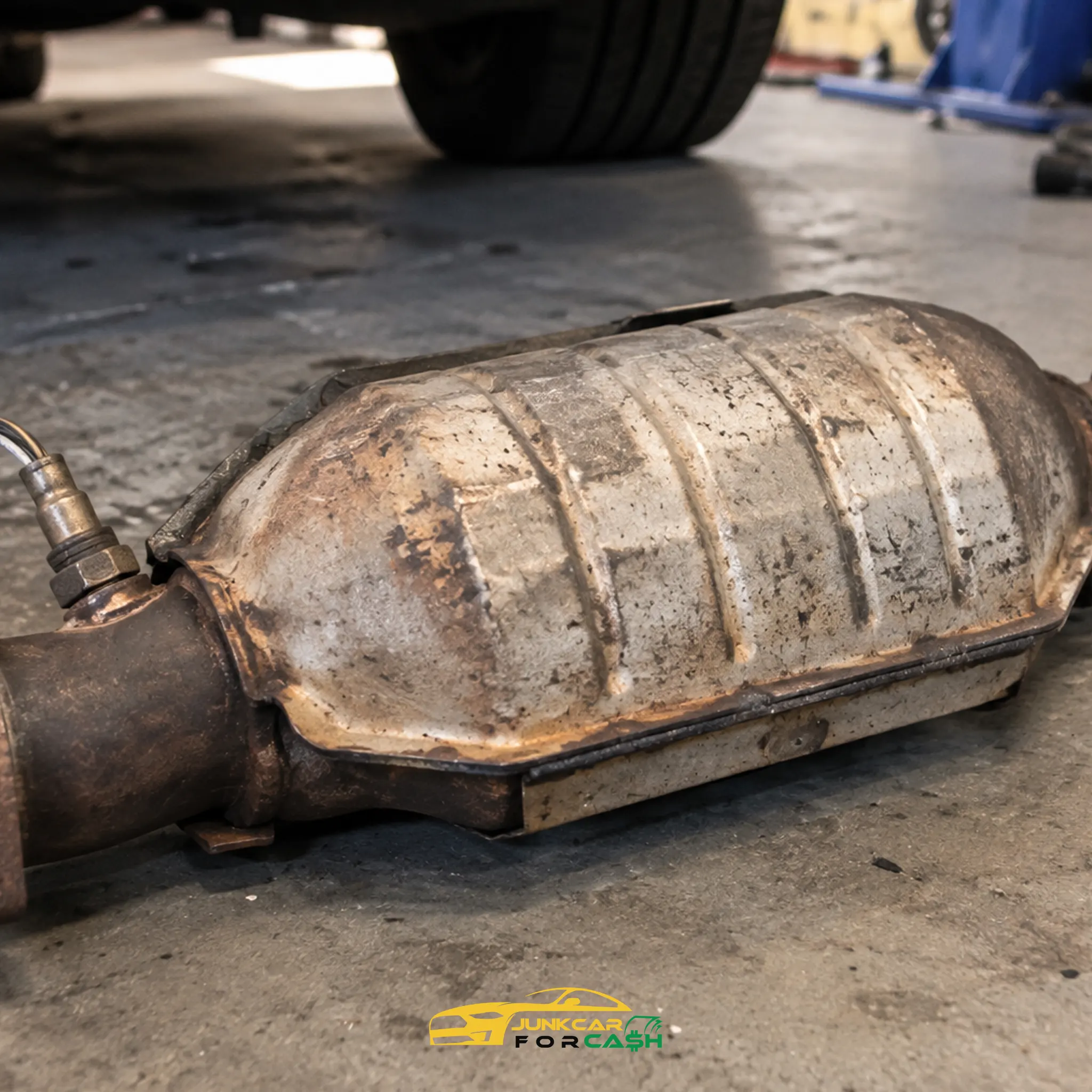
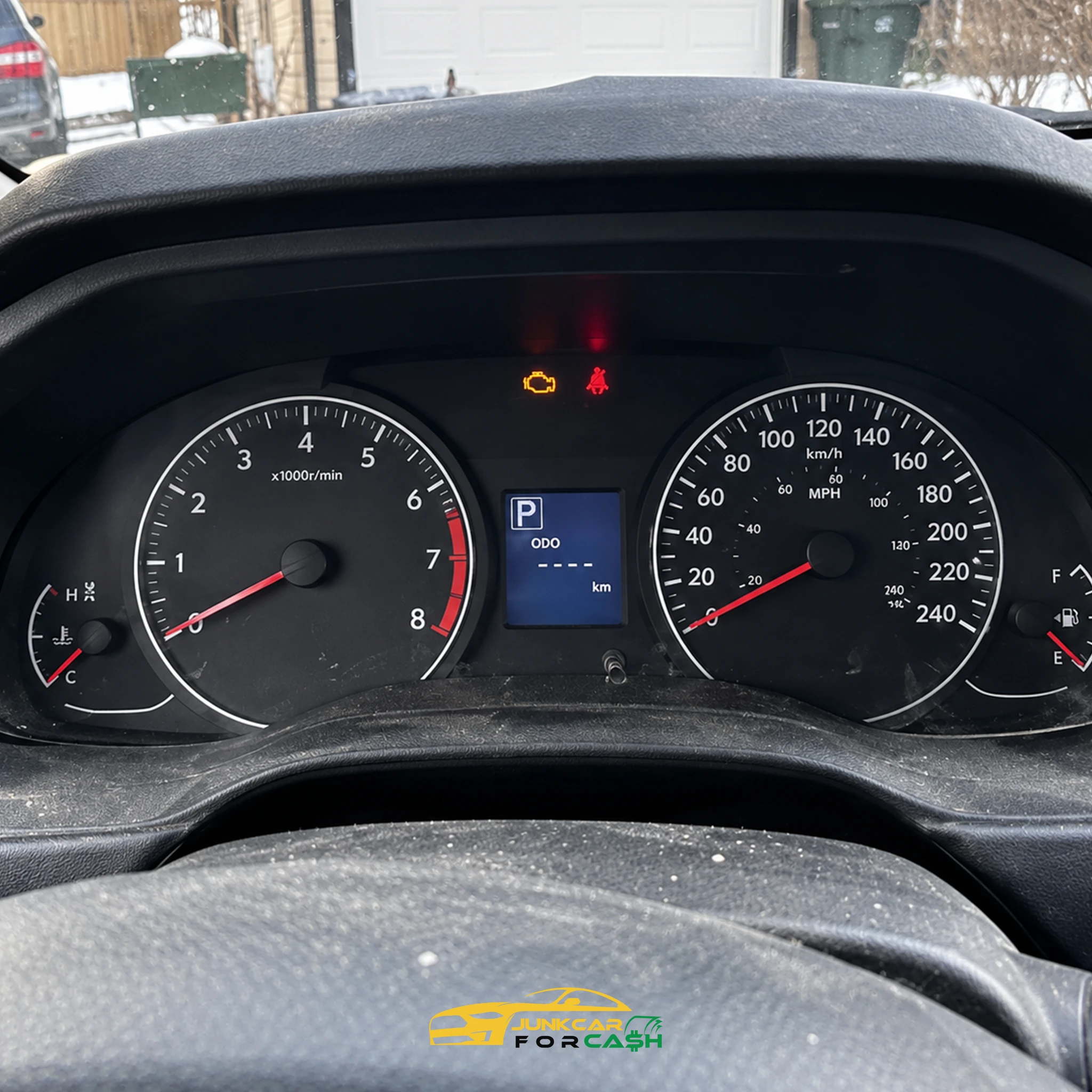
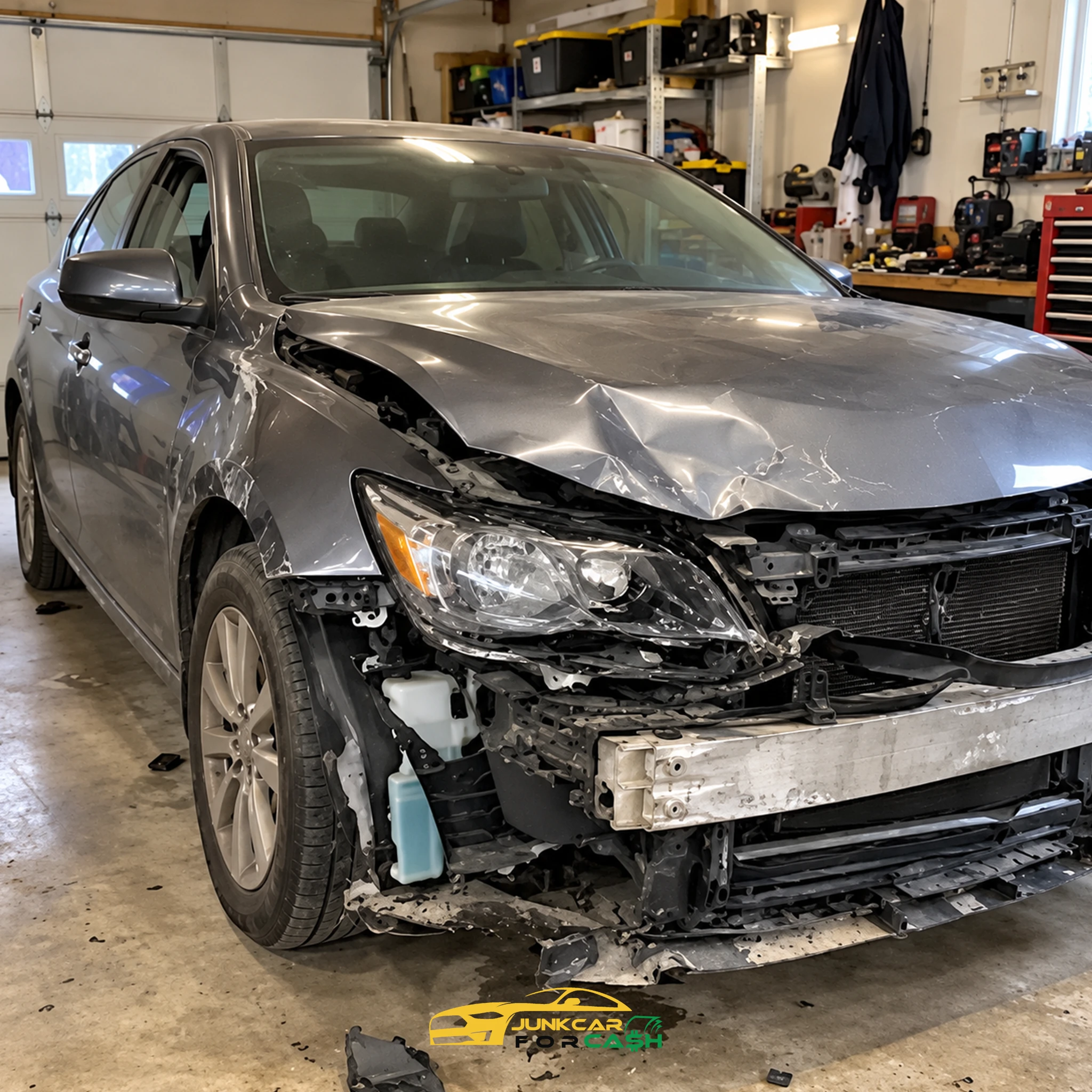
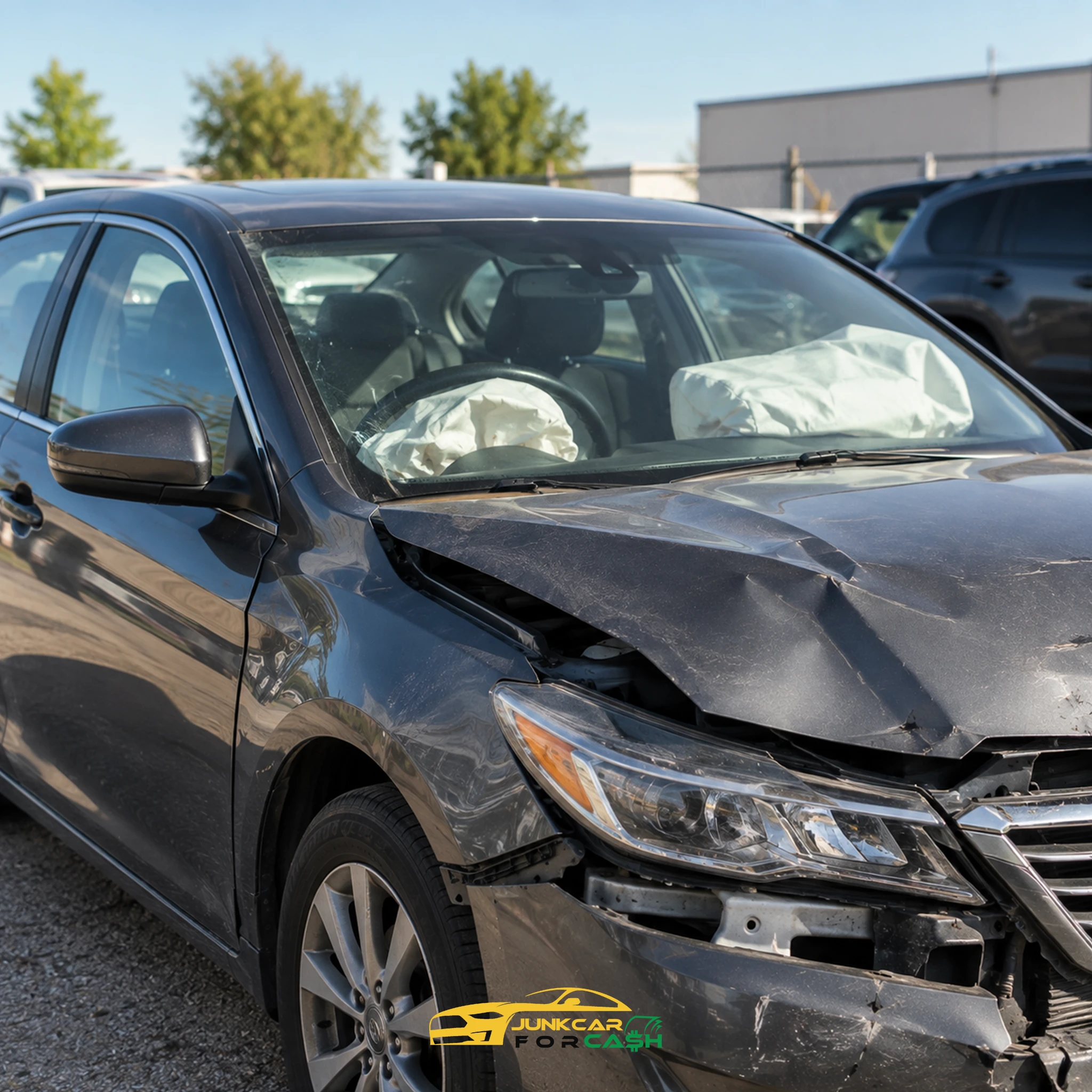
Take clear, daylight photos of all four sides and all four corners, the odometer, the dashboard, the interior, and the engine bay. Add close-ups of every dent, crack, or rust patch, and a shot of each tire. If you can safely see the exhaust system underneath, photograph the area where the catalytic converter sits so the buyer knows whether it’s present. Send the photos with your quote request and keep copies. If the buyer’s number later differs from the vehicle in the pictures, you’ll have a record to point to.
How Do You Describe Why It Won't Run?
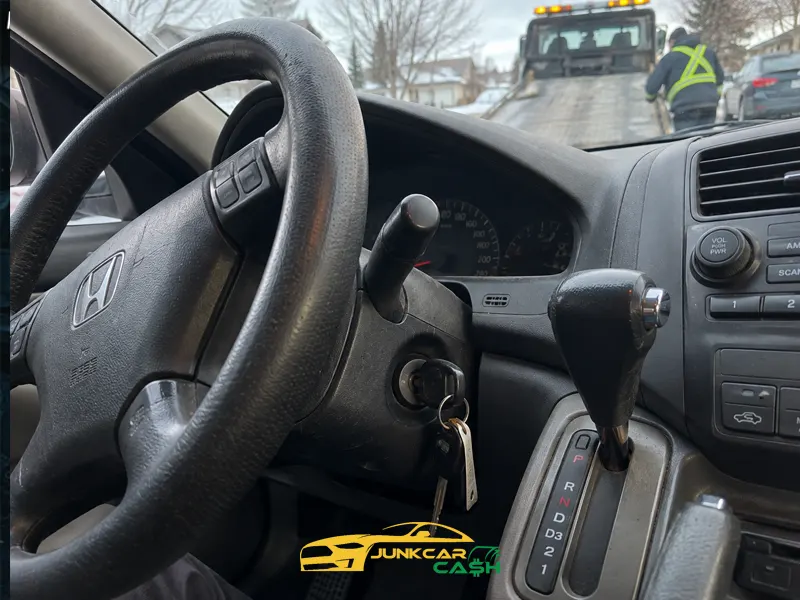
Be specific, because the reason a vehicle stopped tells the buyer what to expect. A dead battery, a failed starter, an engine that turns over but won’t start, and a seized transmission all sound like “won’t run” but mean different things. Also say whether the wheels roll freely, whether the steering unlocks, whether the gear selector moves out of park, and whether keys are available. A driver who knows the car is stuck in park with a locked steering column can bring the right equipment, and that keeps the pickup on schedule. If you don’t know the cause, say so and describe the symptoms, such as a clicking sound, a warning light, or a smell of fuel, instead of guessing.
What Should You Take Out of the Vehicle, and What Should Stay?
Preparing the car itself is mostly about subtraction of your things and restraint with the car’s things.
What Belongs to You and Should Come Out?
Empty the glovebox, the console, the door pockets, the trunk, and the space under the seats. Check the sun visors for garage door openers, parking passes, and papers, and remove child seats, roof racks, dash cameras, and any aftermarket accessories you paid for and want to keep. Keep your ownership papers out of the vehicle and with you. Anything left inside usually ends up discarded, and a car full of loose items takes longer to inspect and load, so a clean interior speeds up the handover.
What Should Stay Exactly Where It Is?
Leave every original component on the vehicle, including the seats, the spare tire and jack, the radiator, the battery, and the exhaust system. Stripping parts before a sale often nets less than the discount you’d take on the vehicle, and it can raise suspicion about what else was removed. Don’t drain fluids or unhook wiring either, because the buyer’s process handles that safely and a half-disassembled car is harder to price. If something is already missing, say so plainly before pickup so the quote reflects reality. If you plan to keep an aftermarket part, such as a stereo or a set of winter tires on their own rims, remove it before you request the quote and say so, because a price given for a complete car will drop when the driver finds those items gone.
How Do You Make Pickup Easy for a Flatbed?
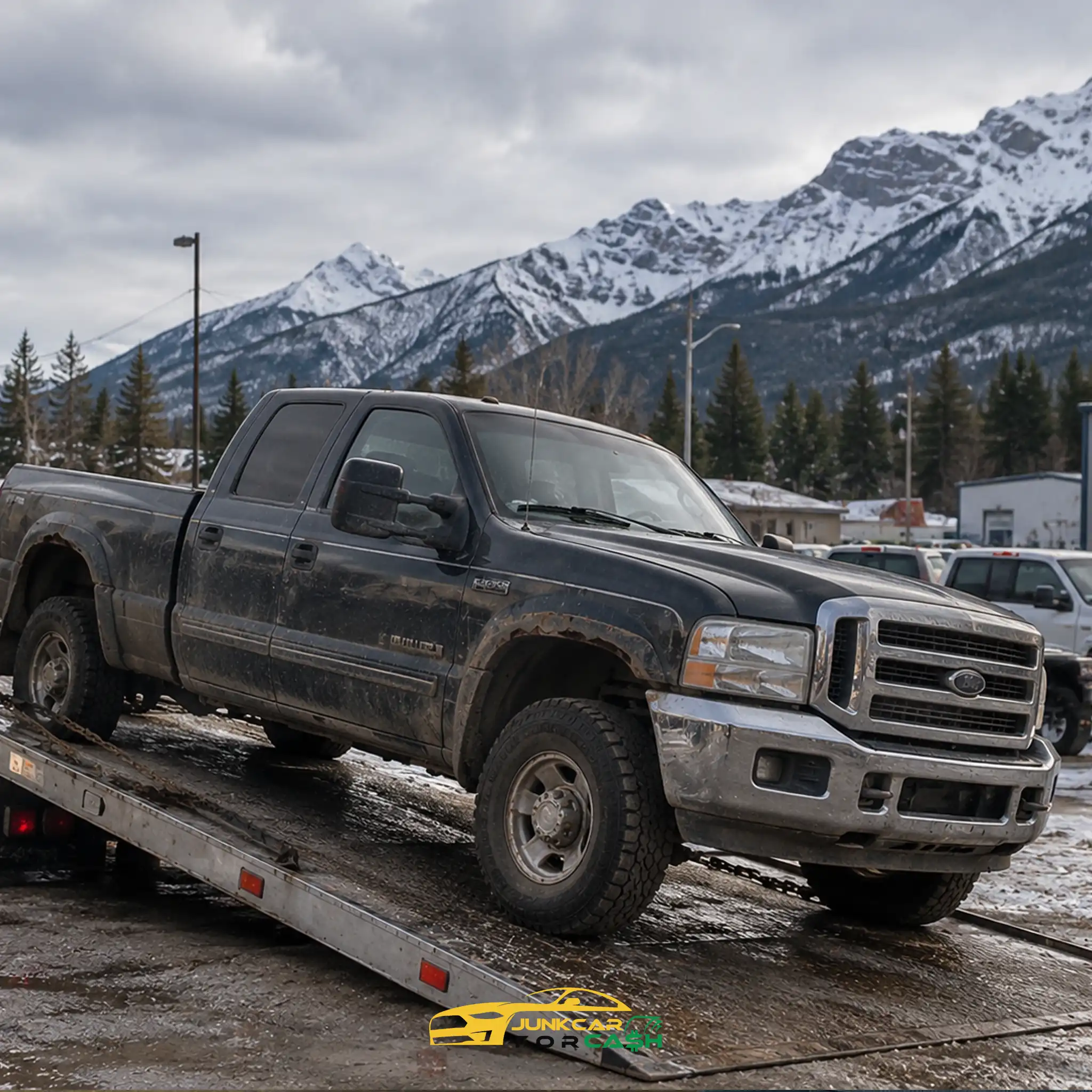
A flatbed needs space, a firm surface, and a clear path, and a location that fails any of those can cost time or money.
What Access Does a Tow Truck Need?
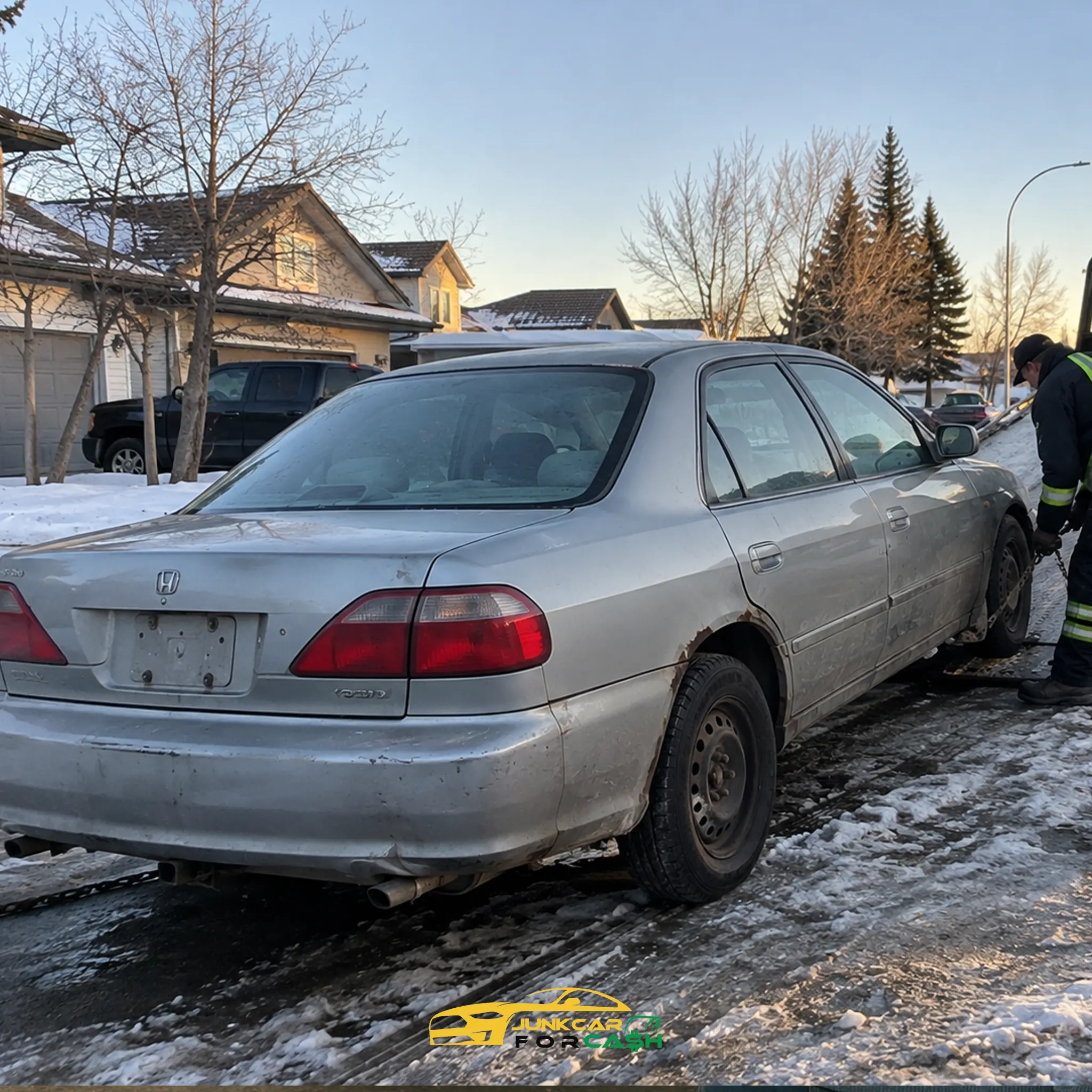
Give the driver a straight approach and room in front of and behind the vehicle. Move other cars out of the way, unlock any gate, and trim low branches that hang over a driveway. Underground parkades and tight alleys are the usual trouble spots, because a flatbed may not fit under the clearance, so tell the buyer where the car is parked before they book. If the vehicle sits on an acreage, share the route, note any soft or gravel sections, and mention anything the truck must cross, such as a cattle guard or a narrow bridge.
How Does Alberta Weather Change Pickup Day?
Winter and spring each bring their own obstacles. In winter, snow can bury a parked car, frozen brakes can lock the wheels, and ice can trap the tires, so dig out the wheels and clear a path the day before. During a Chinook thaw or spring melt, yards turn soft and a heavy truck can sink, so mention any muddy ground when you call. A vehicle that’s ready in these conditions loads faster, and a fast load leaves less room for extra charges or a rescheduled visit.
Which Quick Jobs Make a Non-Running Car Easier to Load?
A few small tasks can turn a difficult load into a routine one. If the battery is dead but the car might start, a jump could move it forward or backward. Inflate flat tires if you can, release the parking brake, and shift into neutral when the steering and gear selector allow it, because a car that rolls is much simpler to winch onto a flatbed than one that’s locked in place. Don’t attempt any of this if it’s unsafe or you’re unsure, and tell the driver what you did or couldn’t do so the right equipment shows up.
What Paperwork Should Be Ready at the Curb?
Keep this short and in one folder, because pickup day isn’t the time to search the house. Bring photo ID and your proof of ownership. Alberta.ca says an original registration certificate doesn’t constitute proof of ownership, and it lists documents such as a bill of sale, a probated will, or letters of administration as proof of ownership when a vehicle is registered, so find the bill of sale from when you bought the car or the equivalent document. If a lender still has a claim on the vehicle, sort that out before the driver arrives. The sale itself should be documented with a bill of sale that records the buyer and seller, the VIN, the vehicle details, the price, and both signatures. The exact form can depend on whether you’re selling privately or to an automotive business, so ask the buyer which document they use.
What If the Vehicle Is Parked Somewhere Other Than Your Home?
Cars often sit in condo stalls, apartment lots, workplace parking, storage yards, or body shops, and each location adds a permission step. Tell the property manager, the condo board, or the shop that a tow truck is coming, get their agreement in writing if you can, and arrange gate codes or key fobs in advance. A body shop or storage yard may want a release signed by the owner before it hands over the vehicle, and a building may limit when large trucks can enter. Sharing these details when you request the quote lets the buyer plan the visit, and it prevents a wasted trip that could delay the sale.
What Should You Do When the Driver Arrives?
The few minutes at the curb decide whether the quote holds, so treat them as a short checklist:
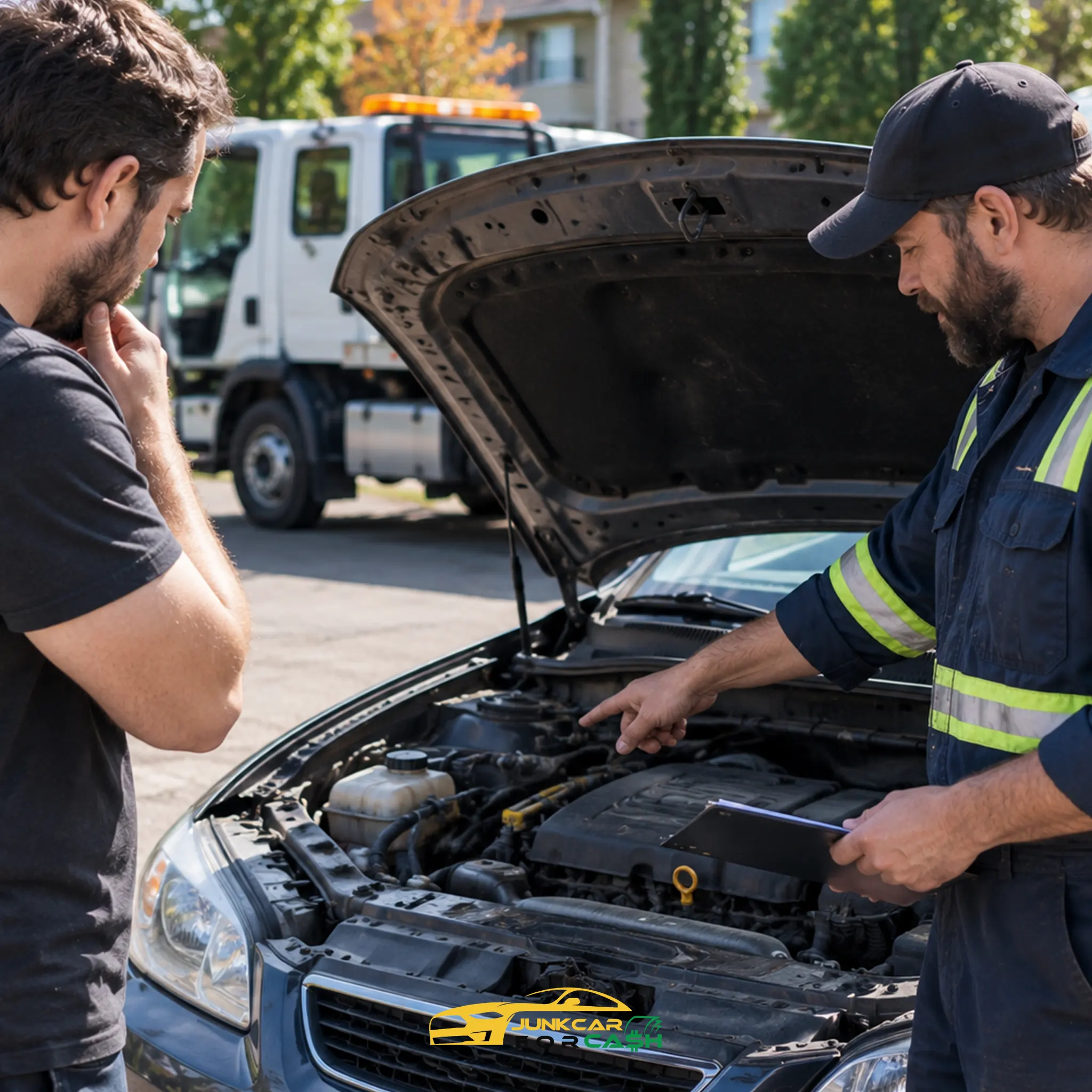
- Walk around the vehicle together. Let the driver compare the car to your photos and description.
- Confirm the number before loading. If the price changes, ask for the specific reason and decide before the car leaves.
- Agree on how you’ll be paid. For transactions covered by Alberta’s scrap metal rules, cash isn’t permitted and the buyer must use a traceable payment method, so ask how payment will be handled before the vehicle is loaded.
- Sign the bill of sale. Read every field, confirm the VIN, and keep your copy.
- Remove your plate. It stays with you, not the vehicle.
- Watch the loading. Note the time and take a final photo of the vehicle on the truck.
What Should You Do After the Car Leaves?
Finish the job the same day. AMA says you can cancel your licence plate or transfer it to another vehicle after a sale, so visit a registry agent to do whichever applies. Tell your insurer the vehicle has been sold so coverage ends on the right date, and keep the bill of sale, your quote messages, and your photos together for your records. If a parking ticket or notice ever arrives, that folder shows exactly when the vehicle left your hands.
FAQs
Ready to Book a Pickup That Matches Your Quote?
Once the car is photographed, emptied, and easy to reach, the next step is a quote based on what you’ve prepared. Junk Car For Cash buys complete cars, trucks, and SUVs in any condition, running or not, with free towing and payment at pickup after a no-obligation quote. We don’t buy individual parts. Send your photos and a short description, or call, and we’ll give you a clear number and a pickup window that suits your schedule.
Tips to Get More Money for Your Used Car: The Pickup-Day Checklist
The best tips to get more money for your used car for a damaged or non-running vehicle come down to preparation at the curb. Photograph the vehicle, describe the problem precisely, take out your belongings, leave the original parts alone, and clear the way for the truck. Bring your ownership papers, confirm the number and the payment method before loading, and finish with your plate and insurance. Sellers who work through this checklist give the buyer fewer reasons to change the quote, and that’s how the number you were promised becomes the number you receive.
References
- Alberta.ca, Standard bill of sale (private sales): https://www.alberta.ca/standard-bill-sale
- Alberta.ca, Register an Alberta vehicle in other jurisdictions (registration certificate and proof of ownership): https://www.alberta.ca/register-an-alberta-vehicle-in-other-jurisdictions
- Alberta.ca, Register a vehicle in Alberta (proof of ownership documents): https://www.alberta.ca/register-vehicle
- Alberta.ca, Scrap metal transactions: https://www.alberta.ca/scrap-metal-transactions
- AMA, Selling a vehicle in Alberta: