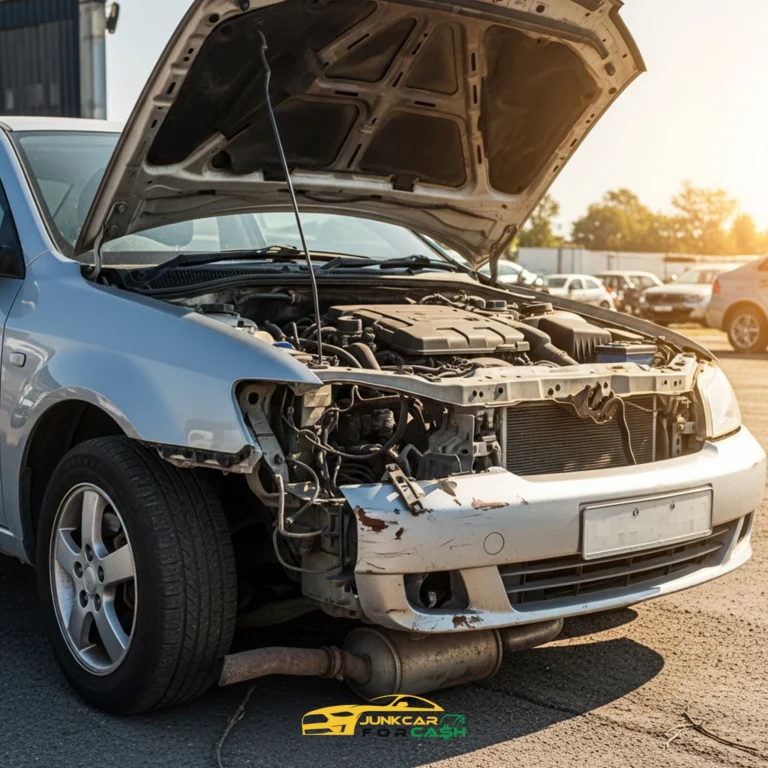

The frame of a car is its most eye-catching part, and that’s why many people are hesitant when selling a car with frame damage. You might think that frame-damaged cars won’t sell, or you might be unsure of how much value it takes away from your vehicle, and end up second guessing your decision. But don’t worry, you can definitely still sell your car no matter how severe the damage is. This guide walks you through the best approach for selling a car with frame damage in today’s market.
Understanding the Different Types of Frame Damage
There are different types of structural issues, and each one leaves a different effect on your sale. Understanding the distinctions helps you set proper expectations before selling a car with frame damage:
- Minor Structural Bends: These can be small misalignments, subframe bends or damaged mounts, but they don’t necessarily make the car unsafe to drive. People looking for a project car often think about these as being repairable.
- Moderate Structural Compromise: Rails, supports, or welded areas might be affected and need special attention. This kind of damage usually makes the car worth a lot less, even if it can be fixed.
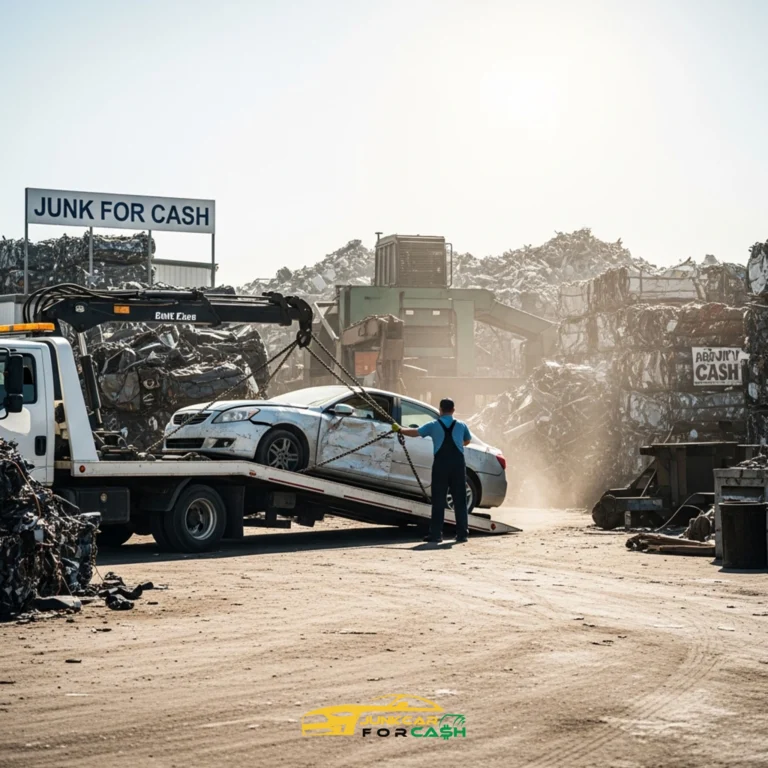
- Severe Frame Failure: If a vehicle has twisted frames or total structural collapse, it’s usually a write-off. In this case, you’re usually better off selling it to a dismantler, recycler, or someone who buys parts.
Read More: How to Sell Car for Parts – Everything You Need to Know
How Frame Damage Affects Vehicle Resale Value
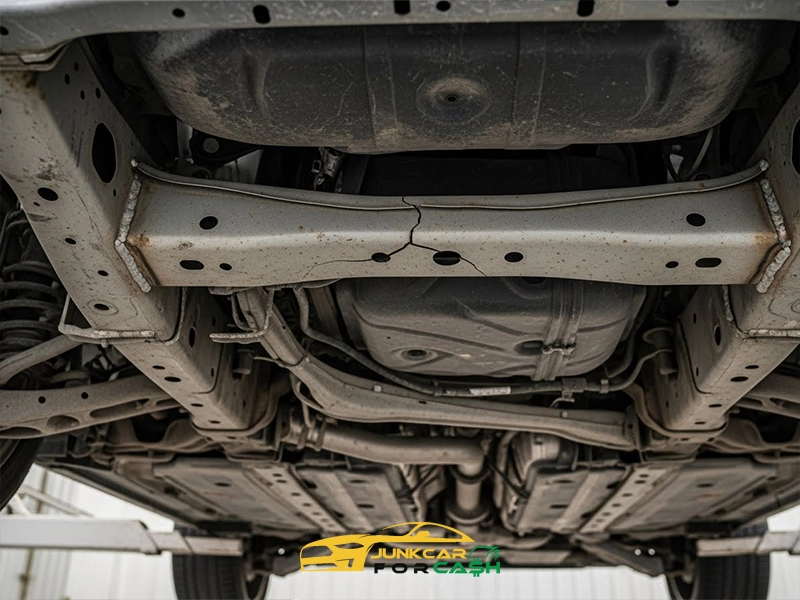
When it comes to the resale value of a car, nothing is as bad as frame damage. It impacts pricing more than nearly any other kind of mechanical or cosmetic issue. When selling a car with frame damage, value typically shifts based on three main factors:
- Severity of Damage: The more severe the damage the more resale value drops.
- Title Status: If a car has a clean title but has been in an accident, it’ll probably sell for more than a salvage or rebuilt title. Buyers want transparency, and the paperwork affects how quickly a sale is completed.
- Repair Costs vs. Vehicle Worth: If the repair estimates are higher than the market value, it’s not worth doing a full restoration. People will buy it for parts or to rebuild it, depending on its condition.
Best Selling Strategy for Frame-Damaged Cars

When you’re selling a car with frame damage, it’s really important to have a good plan. Here’s the best way to get a fair offer while keeping things simple.
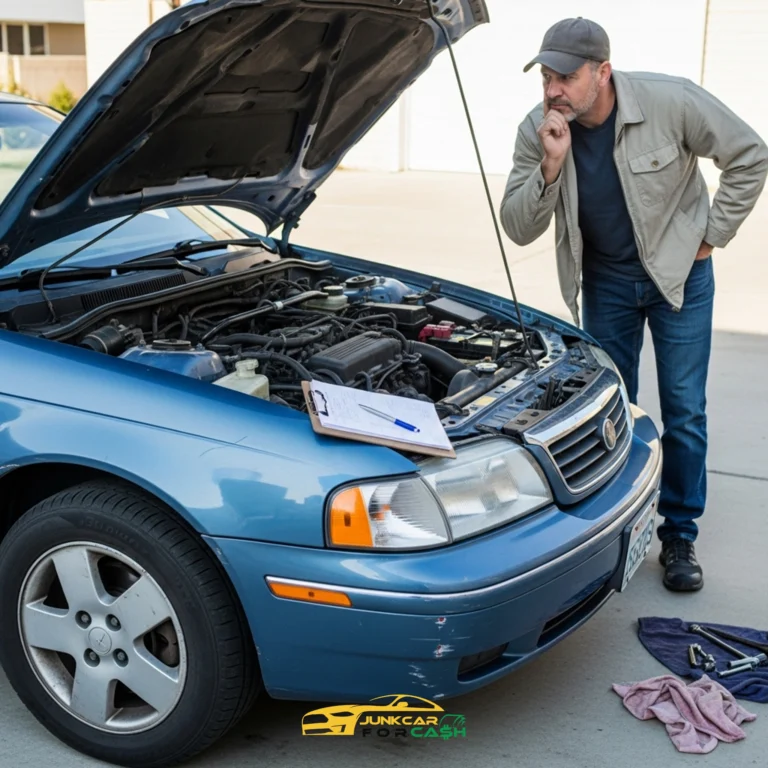
- Get a Professional Inspection: A written mechanic’s evaluation builds trust. It also provides clear boundaries during negotiation.
- Be Fully Transparent: Use direct language and clearly state your car’s condition. Being honest prevents legal problems and stops people from wasting your time.
- Price Based on Evidence: Use inspection reports, similar property listings, and repair estimates to show why your asking price is fair. Buyers usually like it when everything is clear and easy to understand.
- Prepare All Paperwork: Have your title, bill of sale, and any mechanic reports ready to speed up the transaction and reinforce your transparency.
- Use the Right Selling Channels: Different buyer groups respond differently when selling a car with frame damage:
- Salvage yards: Fastest turnaround, straightforward process.
- Vehicle recyclers: Ideal for severely damaged cars valued mainly for parts.
- Private buyers: Sometimes pay more, but require detailed photos and honest communication.
- Specialized damaged-car marketplaces: Reach buyers looking for rebuildable or parts vehicles.
Conclusion
Inevitably, selling a car with frame damage will present challenges. However, I believe that having a good understanding of how structural issues affect pricing, along with knowing buyer expectations, makes the process far more manageable. Just be fully transparent and choose the right selling option. If you want to sell your car quickly, at a good price, and without any hassle, Junk for Cash is your best immediate option.