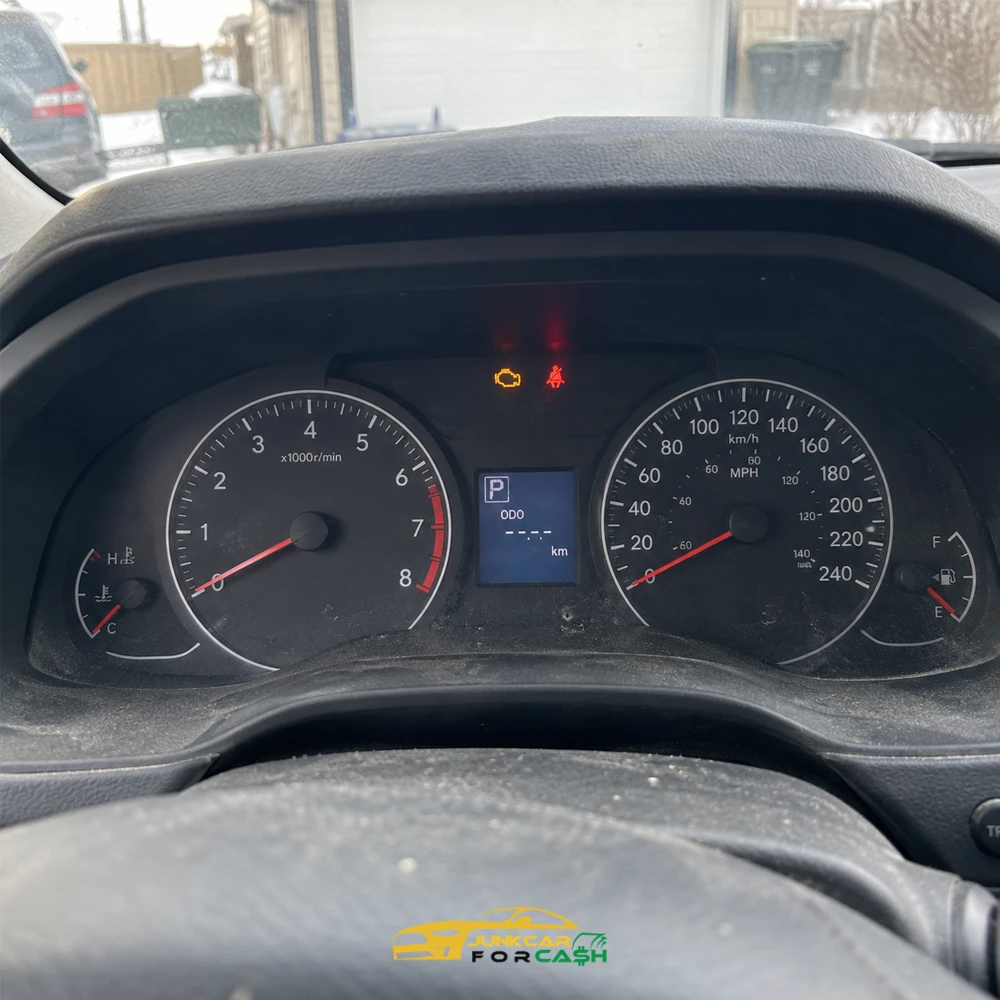

Most Alberta drivers don’t think about maintenance until something breaks. By then, the repair bill is already steep and the car’s future is uncertain. Tracking your vehicle’s upkeep by mileage, rather than waiting for warning lights, is one of the most reliable ways to stay ahead of costly failures. In a province where cold winters, icy roads, and long commutes accelerate wear, the stakes are higher than in most parts of Canada.
This guide covers exactly what your vehicle needs at each mileage milestone, what those services typically cost, and how to recognize when continued repairs stop making financial sense.
Why Mileage Is a Better Maintenance Indicator Than Age
Two vehicles from the same model year can be in completely different condition based on how far they have been driven and how consistently they have been serviced. This is why most manufacturers structure their maintenance schedules around mileage rather than time alone. Canada’s average vehicle age has climbed to roughly 10.5 years according to BrokerLink and industry experts, with many cars on the road carrying well over 150,000 km. Understanding car maintenance by mileage gives you a far clearer picture of where your vehicle actually stands, not just how old it looks on paper.
Alberta's Climate Makes Mileage-Based Maintenance More Critical
Alberta winters are genuinely hard on vehicles. Road salt, freeze-thaw cycles, extreme cold starts, and icy conditions accelerate wear on brakes, suspension, tires, and undercarriage. According to RIDEZ, Canadian winter conditions add an estimated $500 to $1,000 per year in accelerated wear costs compared to temperate-climate driving. Alberta also has no mandatory periodic vehicle inspection program for privately owned passenger vehicles, which means maintenance discipline falls entirely on the owner. Staying on a structured schedule here matters more than it does in many other provinces.
Read Also : Selling A Car With High Mileage
Car Maintenance by Mileage: Service Milestones for Canadian Vehicles
The table below outlines typical maintenance tasks and cost ranges by mileage. These are general guidelines; always reference your vehicle’s owner’s manual and adjust for Alberta driving conditions.
| Mileage Range | Typical Services | Estimated Cost Impact |
|---|---|---|
| Under 60,000 km | Oil changes, tire rotations, brake inspections, fluid checks, battery testing | Lower |
| 60,000–120,000 km | Brake replacement, timing belt/chain inspection, transmission service, coolant flush | Moderate |
| 120,000–200,000 km | Engine component repairs, suspension work, exhaust, electrical system | Higher |
| 200,000+ km | Major system overhauls, recurring failures become more common | Significant |
Maintaining a vehicle to 100,000 km in Canada typically costs between $8,000 and $12,000 in total, depending on vehicle type, driving habits, and how consistently the service schedule is followed (RIDEZ, 2026)
Under 60,000 km: Build Good Habits While Costs Are Low
This is the phase where maintenance is cheapest and the return on investment is highest. The goal here is prevention. Parts are in good shape and consistent service during this window can extend the life of major systems significantly.
Routine services at this stage typically include:
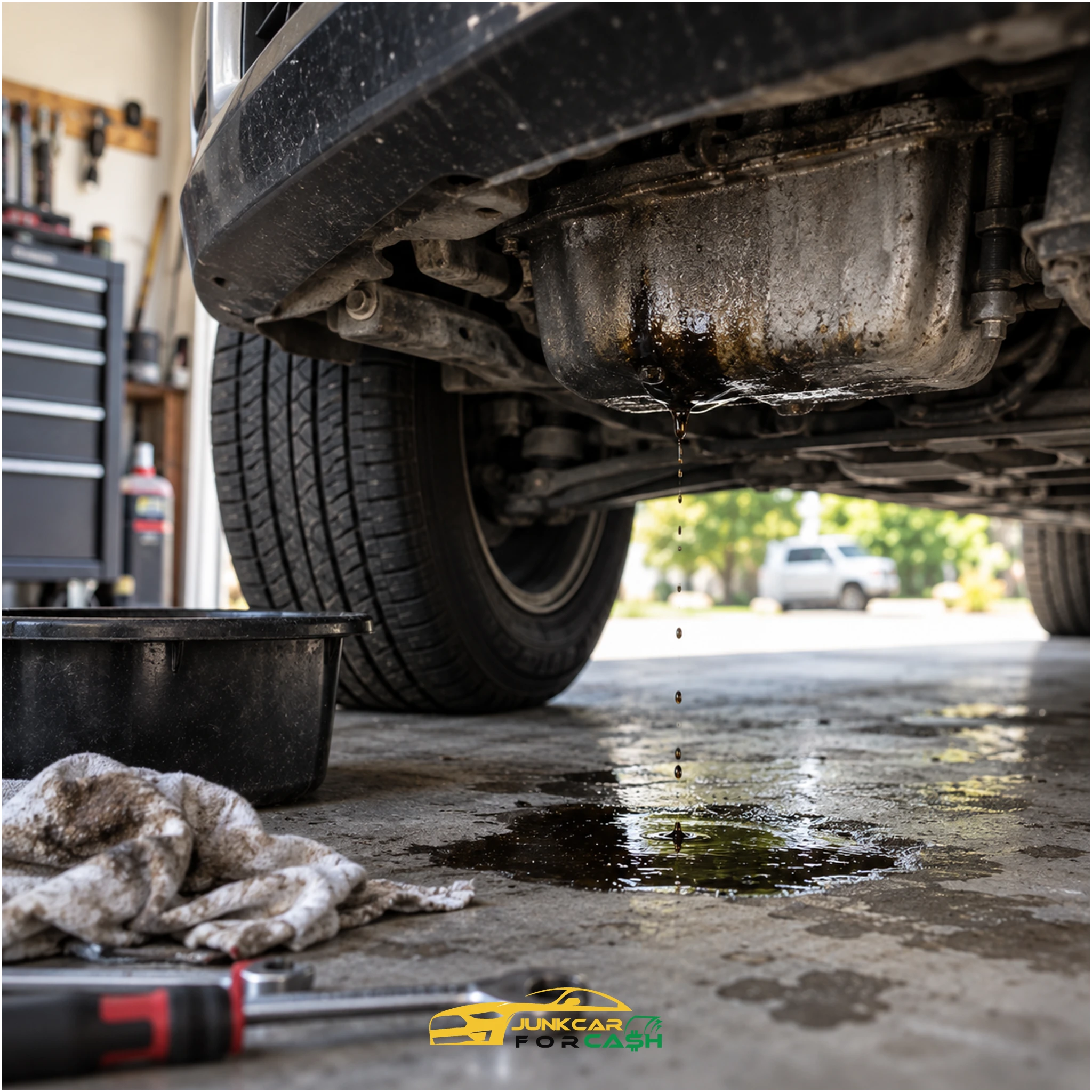
- Engine oil and filter changes (every 5,000–8,000 km with conventional oil, or 10,000–15,000 km with full synthetic)
- Tire rotations and pressure checks
- Brake inspections
- Cabin and engine air filter replacements
- Coolant, brake fluid, and transmission fluid level checks
Statistics Canada data indicates that the average Canadian household spends about $79 per month on vehicle maintenance and repairs. Vehicles in this mileage range, when cared for regularly, typically come in at the lower end of that figure.
60,000–120,000 km: Replacing Parts Before They Fail
This range is where maintenance costs rise noticeably. Components that were fine at 50,000 km begin approaching the end of their service life, and skipping scheduled services at this stage often leads to cascading failures. The J.D. Power 2024 Canada Customer Service Index found that the average cost of a dealership visit in Canada has reached $465, up 7.6% from the prior year, while independent shops average $273 per visit. At this mileage, most vehicles require multiple significant service visits per year.
Common services in this phase include:
- Brake pad and rotor replacement
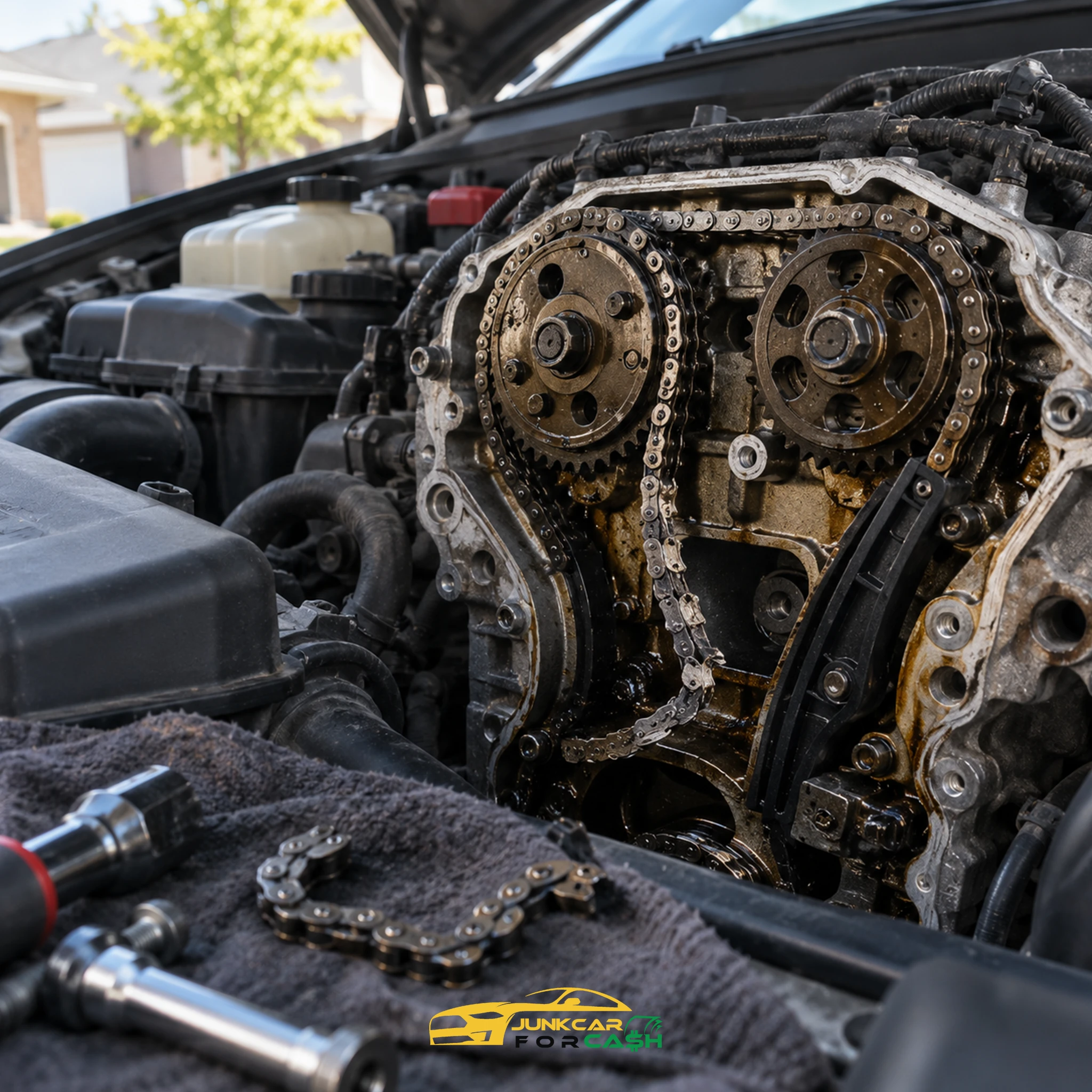
- Timing belt or chain inspection (typically required between 90,000 and 110,000 km for many engines)
- Transmission fluid service
- Cooling system flush
- Suspension component checks, including ball joints and bushings
- Spark plug replacement
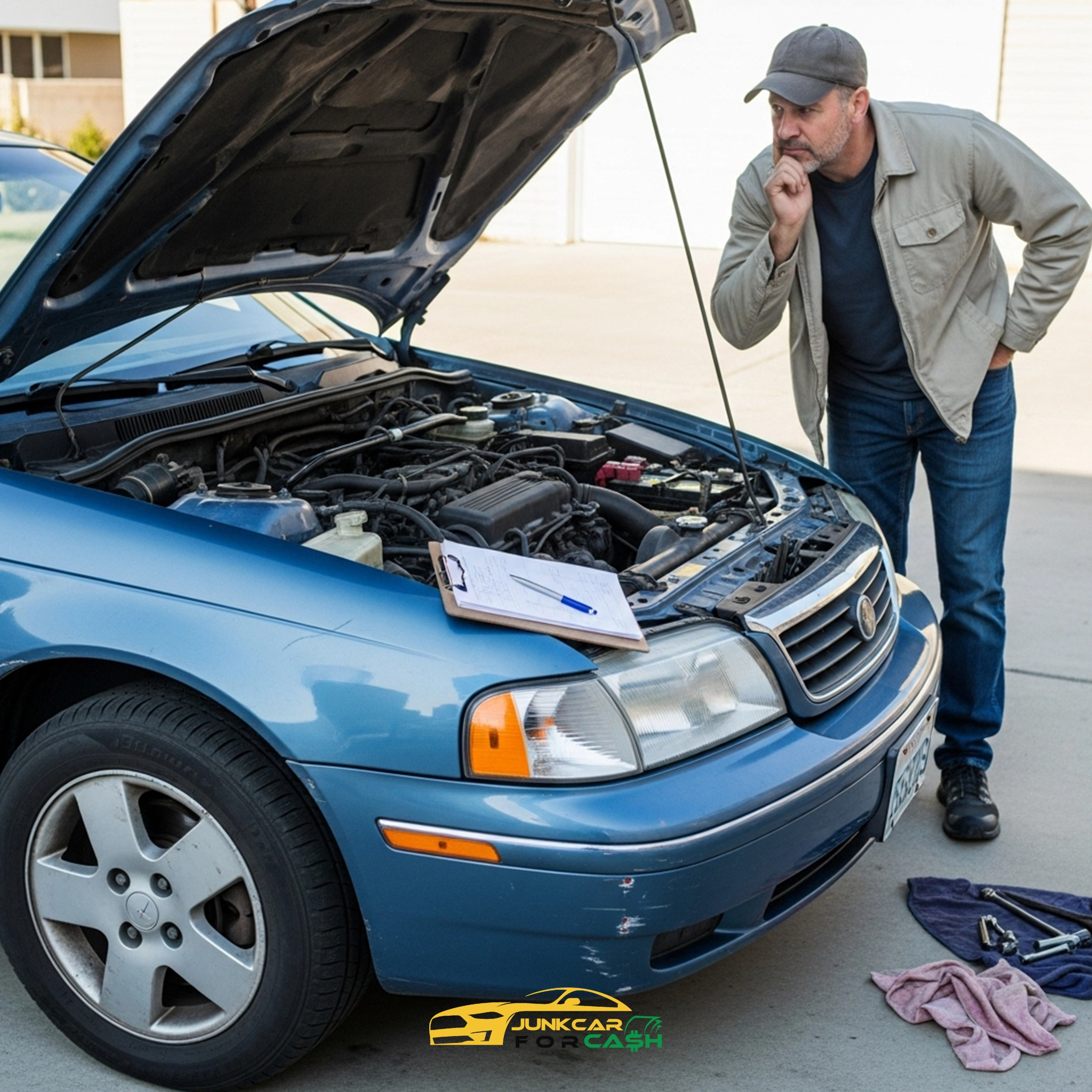
Many drivers in this range start running the numbers on long-term repair costs versus the vehicle’s current value. That comparison is worth making before the next big bill arrives.
120,000 km and Beyond: Weighing Repair Against Reality
Past 120,000 km, your vehicle moves into higher-maintenance territory. Wear becomes less predictable, repairs tend to cost more, and the frequency of breakdowns often increases. This is where Alberta drivers most commonly face the question of whether continued investment in the vehicle still makes financial sense.
Common issues at this mileage include:
- Engine oil consumption and seal wear
- Transmission slipping or delayed shifting
- Suspension and steering component failures
- Exhaust system and catalytic converter deterioration
- Electrical faults and sensor failures
- Accelerated rust and frame corrosion, particularly from Alberta road salt exposure
Without a mandatory inspection program to catch developing issues early, owners of high-mileage vehicles in Alberta need to be especially proactive. A pre-winter mechanical inspection from an independent shop is worth the cost.
When Maintenance Stops Making Financial Sense
There is a point where ongoing repairs stop being an investment and start draining money with diminishing returns. A widely used benchmark among automotive advisors is the 50 percent rule: if a repair estimate exceeds 50% of your vehicle’s current market value, it is worth seriously evaluating alternatives.
Warning signs that a vehicle may have crossed that threshold include:
- Repair estimates that approach or exceed the car’s resale value
- Multiple system failures occurring within a short timeframe
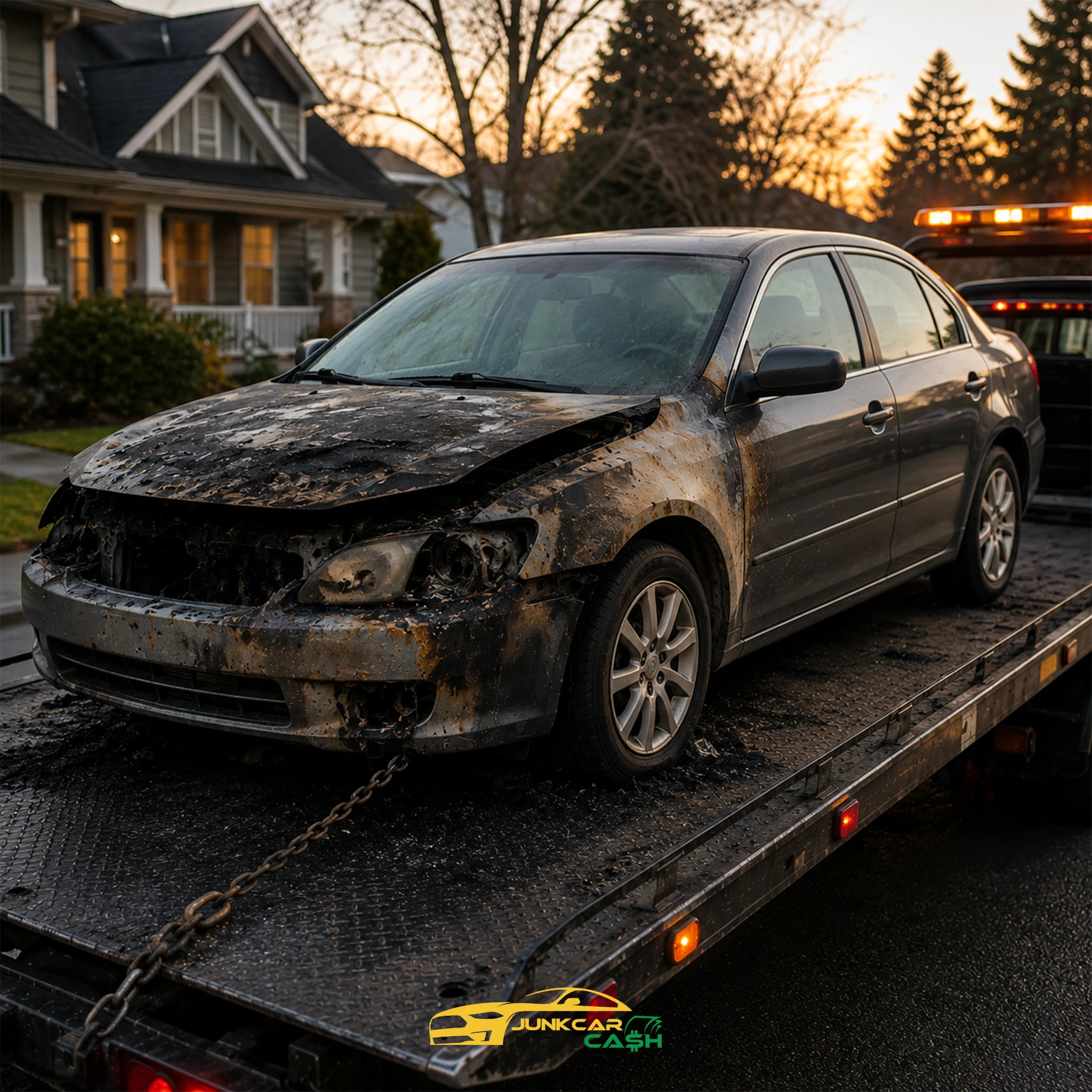
- Frequent roadside breakdowns or towing calls
- Safety-critical failures affecting brakes, steering, or visibility
- Persistent fuel economy drops even after servicing
At this stage, the cost of keeping the car often outweighs any practical benefit from continued repairs.
Is Your Vehicle Beyond Maintenance?
If your vehicle has reached the point where repairs are recurring and costs keep climbing, selling it for cash may make far more sense than funding another round of work. Junk Car for Cash buys used, damaged, and high-mileage vehicles across Alberta, with free pickup and a straightforward cash offer. Get your free quote today by calling (587) 325-0717 or emailing [email protected].
Conclusion
Following a mileage-based maintenance schedule helps Alberta drivers manage costs, extend vehicle life, and make more informed decisions about when to keep repairing and when to move on. The milestones covered here, from routine oil changes under 60,000 km to recurring system failures past 120,000 km, give you a practical framework for understanding what your car actually needs and what it costs to keep it on the road.
Canada’s average vehicle is already about 10.5 years old, and with Alberta winters accelerating wear on everything from brake components to undercarriage metal, the gap between a well-maintained car and a neglected one widens quickly.
Frequently Asked Questions
References
- RIDEZ. (2026, March 24). Maintenance Cost by Mileage in Canada: 100,000 km Service Budget. https://ridez.ca/maintenance-cost-by-mileage-canada-100000-km-service-budget/
- J.D. Power. (2024). Canada Customer Service Index Long-Term (CSI-LT) Study. As cited in: Auto Service World. (2024, September 12). Inflation Drives Up Auto Maintenance Costs in Canada. https://www.autoserviceworld.com/inflation-drives-up-auto-maintenance-costs-in-canada/
- BrokerLink. (2026, January 20). How Long Do Cars Last in Canada? https://www.brokerlink.ca/blog/how-long-do-cars-last-in-canada
- CAA South Central Ontario. Keep on Driving: Lengthen Your Vehicle’s Lifespan. https://caamagazine.com/on/answers/keep-on-driving
- Raptors Auto Care. (2025, August 10). Annual Car Maintenance Cost in Canada. https://raptorsauto.ca/annual-car-maintenance-cost-in-canada/ (citing Statistics Canada household spending data)
- Ratehub.ca. (2026). What Is the Total Cost of Ownership for a Car? https://www.ratehub.ca/blog/what-is-the-total-cost-of-owning-a-car/