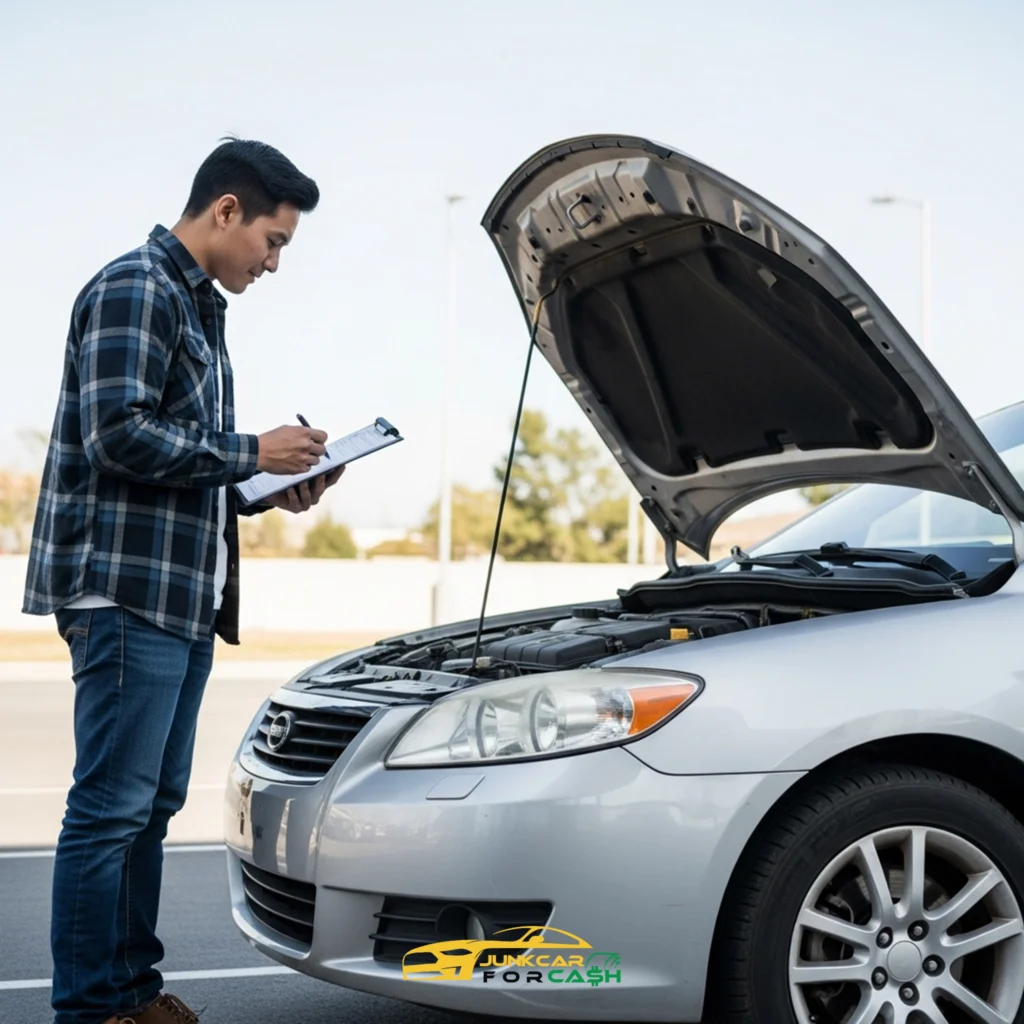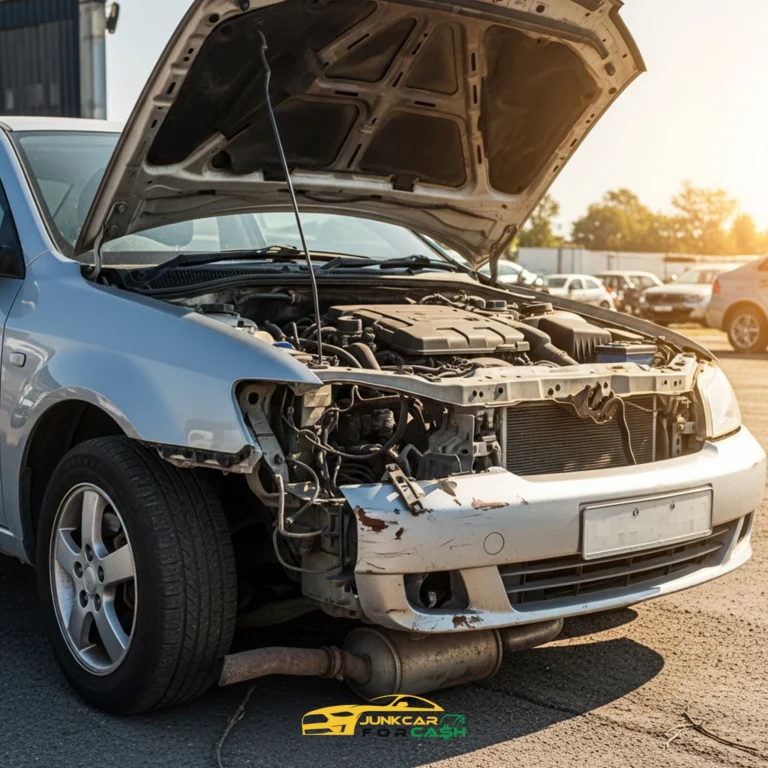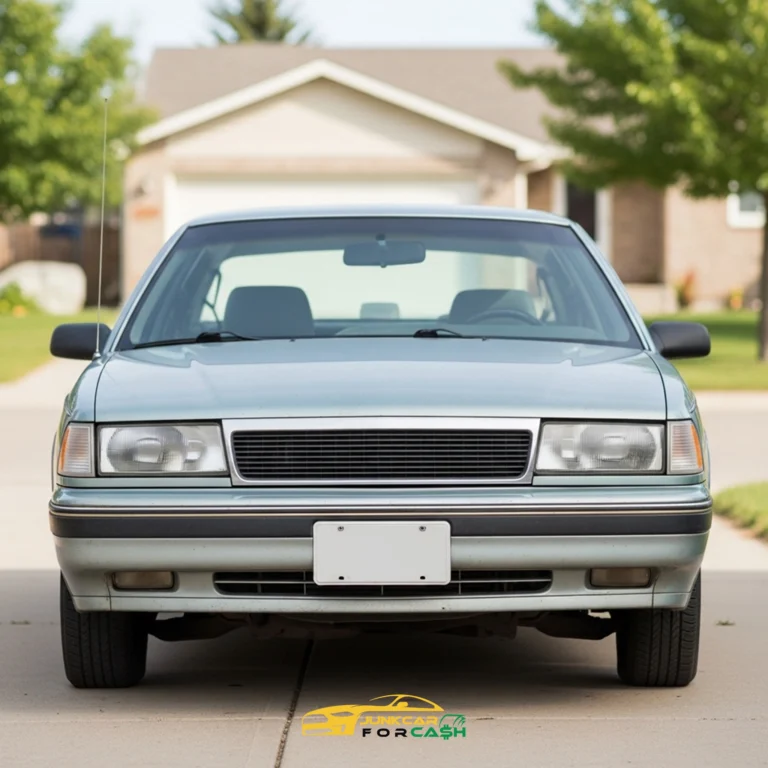

Buying a used car can be a smart way to save money, but only if you know what to look for. A car might seem fine at first, but there might be some issues that could end up costing you a lot of money later on. Knowing what to check when buying a used car can help you make a more confident decision and avoid common mistakes. This guide will walk you through the main areas to inspect before committing to a purchase.
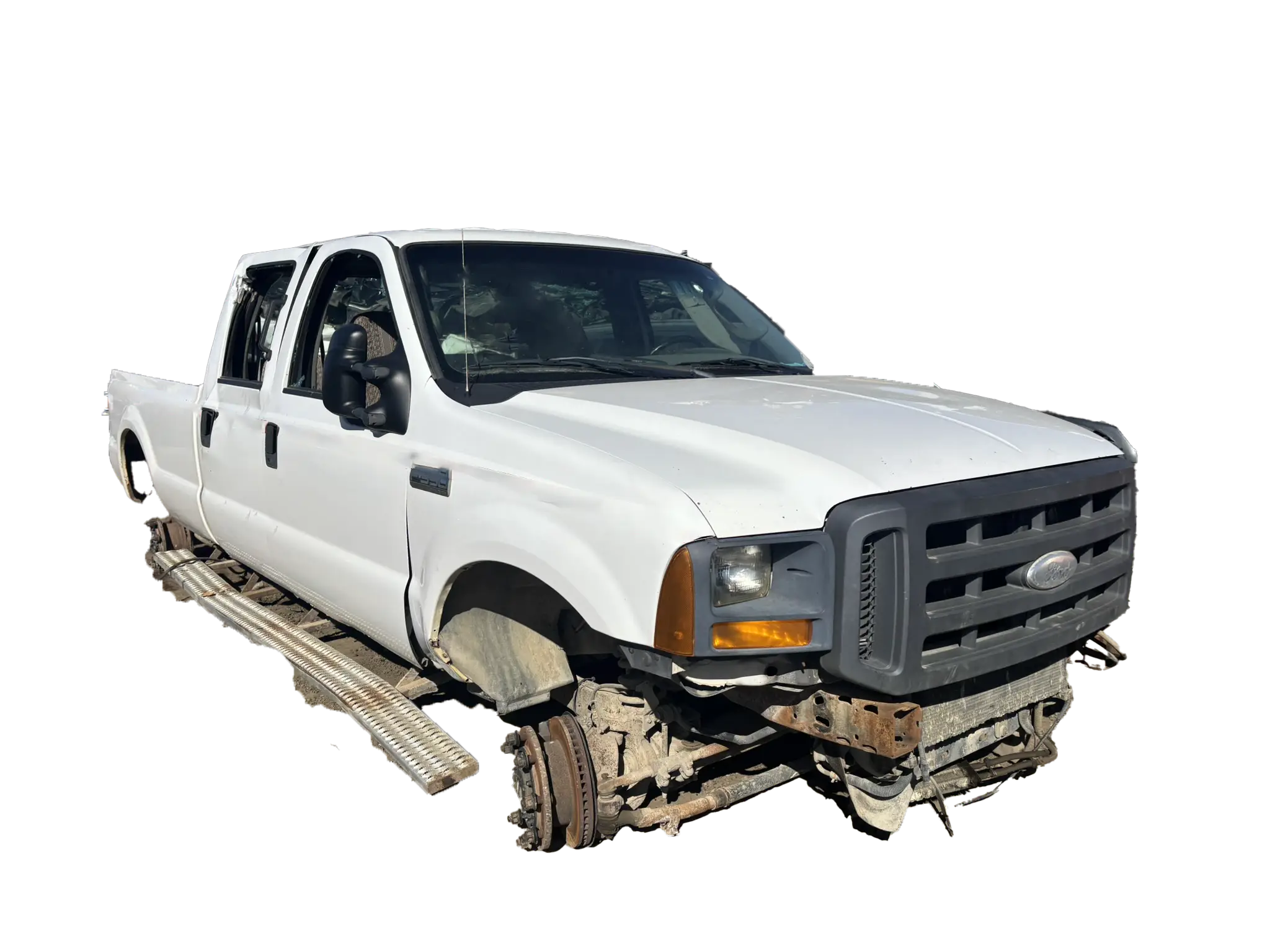
Exterior & Body Condition
Start by inspecting the most obvious area: the exterior.
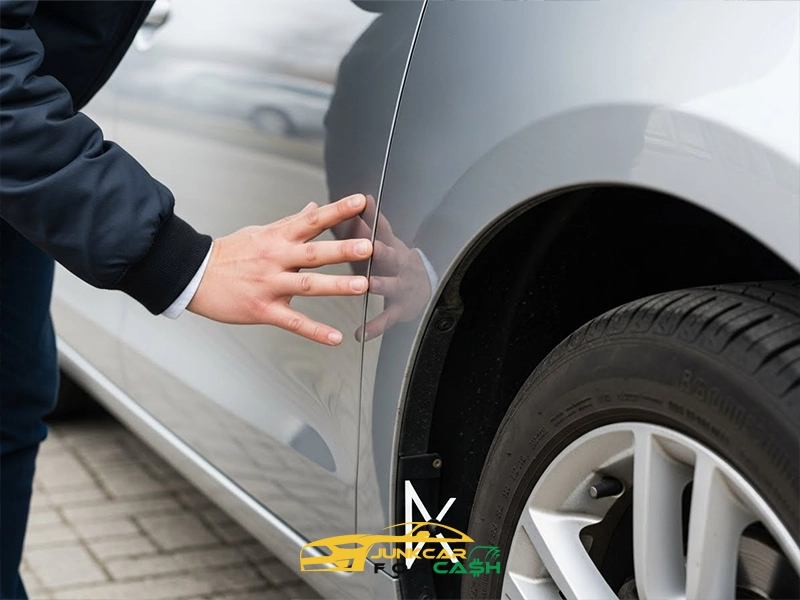
Paint & Body
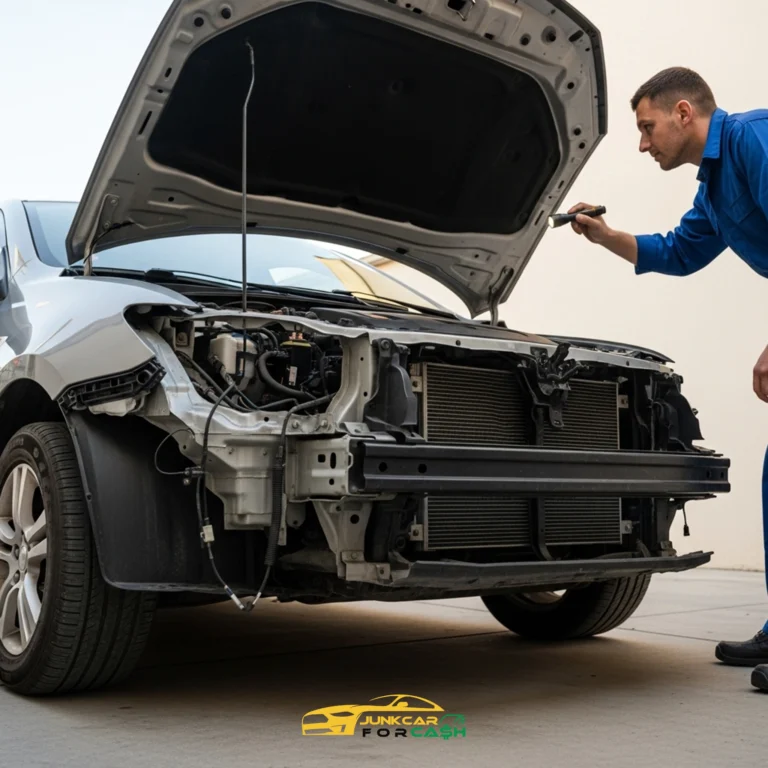
Take a close look for things like mismatched paint, uneven panel gaps, dents, rust spots, or major repairs. These can indicate past accidents or poor-quality bodywork. Have a look at the doors, the bonnet and the boot to see if they’re aligned properly, as this might suggest some structural damage.
Glass & Lights
Have a good look at all the windows and mirrors for chips or cracks. Make sure your headlights, brake lights, indicators and reverse lights are all working properly. If your lights are playing up, it’s not just a safety issue, it could also mean there’s something wrong with the electrical system.
Tires
Check the tread depth to make sure the tires are worn evenly. If your tires are wearing unevenly, that could mean there’s an issue with the alignment or suspension. Keep an eye out for bulges, cracks or other visible damage to the sidewalls.
Interior & Electronics
The next step is looking at what’s going on inside.
Wear & Tear
Look at the seats, the upholstery, the dashboard, the carpets and the roof lining. If there’s a lot of wear and tear on the car, especially compared to its mileage, that could be a sign to watch out for. If you see stains or water marks, that could be a sign of a leak.
Electronics
Make sure you test all the electronic features, like power windows, locks, air conditioning, infotainment system, steering controls and dashboard displays. If warning lights stay on after you’ve started up, it could mean there’s an underlying problem.
Smell
Keep an eye out for any strange smells in the car. If there’s a musty smell, it could be water damage or mold, and if they have strong air fresheners going, they might be masking something unpleasant.
Under the Hood & Mechanicals
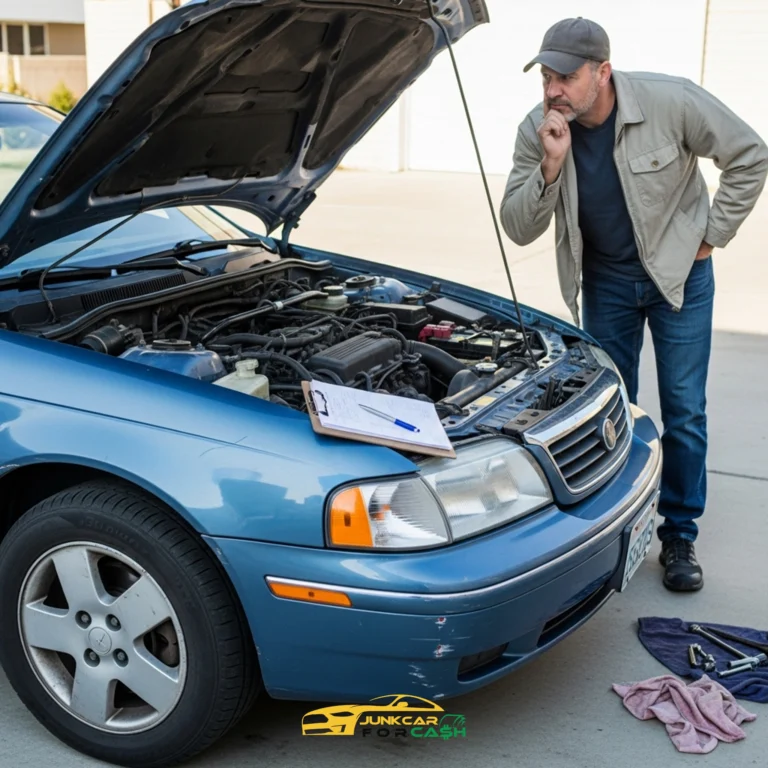
The most important thing on the list of what to check when buying a used car is looking for any mechanical issues.
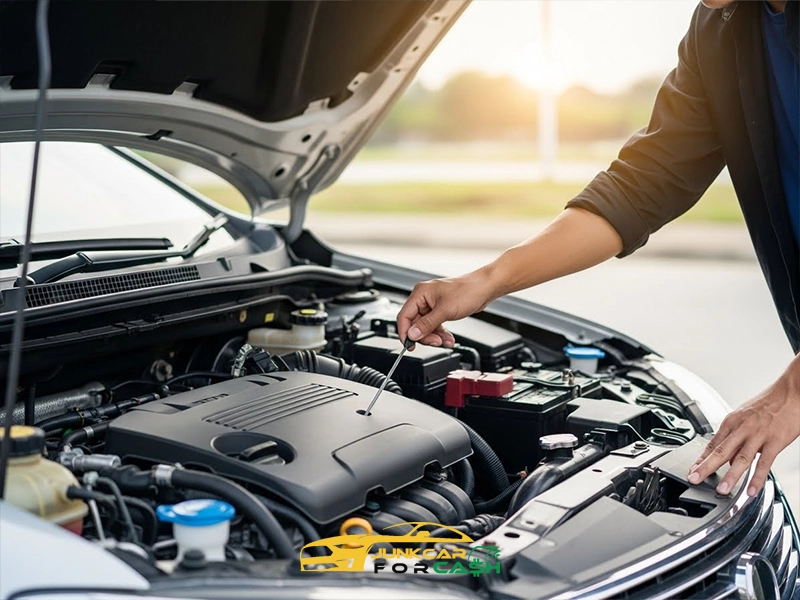
Fluids
Just check the oil, coolant, brake fluids and transmission fluids. The fluids should be clean and at the right levels. If the fluids are dirty or low, it might mean they haven’t been looking after the car properly.
Leaks
Have a look under the engine bay and beneath the car for oil or fluid leaks. If it has a fresh leak, it’s likely to cost you.
Engine Condition
Start the engine and have a listen. If you hear knocking, ticking, whining or rough idling, something might be wrong. The engine should run smoothly without excessive vibration.
Mechanic Check
Even if everything looks good, it’s best to get a professional inspection. A mechanic can spot hidden issues that are easy to miss during a visual check.
Documentation & Vehicle History
Moving on from the car itself, it’s time for the legal stuff.
Registration (RC)
Make sure the seller’s details match the registration. Any mismatch could lead to legal issues down the line.
Service History
The car’s service record is up to date and shows that it’s been well looked after. If there are gaps in the servicing, it could be a sign that the cat is being neglected.
Insurance & Road Tax
Make sure your insurance and road tax are valid and up to date. Lapsed documents can create extra costs after purchase.
Loan Status
Just a quick check: is there any money owed on the vehicle? This step helps to avoid any ownership complications.
Test Drive Essentials
Check the following to get a good grasp on how the car’s going to actually perform while driving.
Performance
During the test drive, listen for unusual engine noises, test acceleration, and ensure the steering feels straight and responsive. Brakes should feel firm and stop the car smoothly.
Suspension
Drive over small bumps and uneven roads. If you hear any clunking or rattling noises, it could mean there’s an issue with the suspension or steering.
Transmission
Gear changes should be smooth, whether manual or automatic. If you hear any hesitation, jerking or grinding sounds, that could be a sign of transmission problems.
Conclusion
If you know what to check when buying a used car, you can avoid unexpected repairs and unnecessary stress. If you take the time to check the outside, inside, mechanical condition, paperwork, and how it drives, you’ll have a better idea of the car’s real condition. I think that a careful inspection and a professional check are the best ways to protect your investment. And if a car doesn’t meet your expectations or becomes too expensive to keep, Junk Car for Cash helps you move on from it responsibly.
Read Also: Selling a Car With Frame Damage – What You Should Know