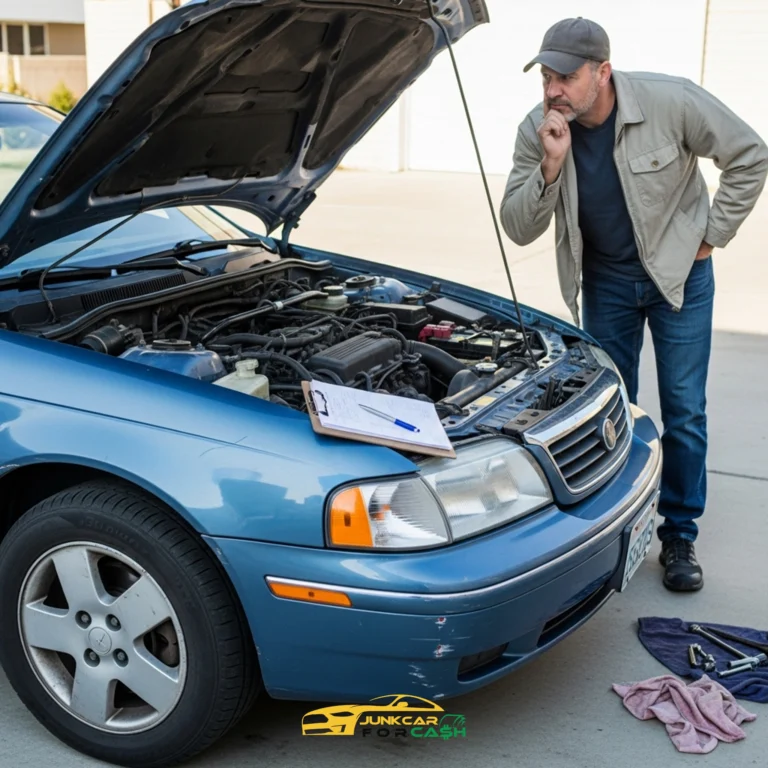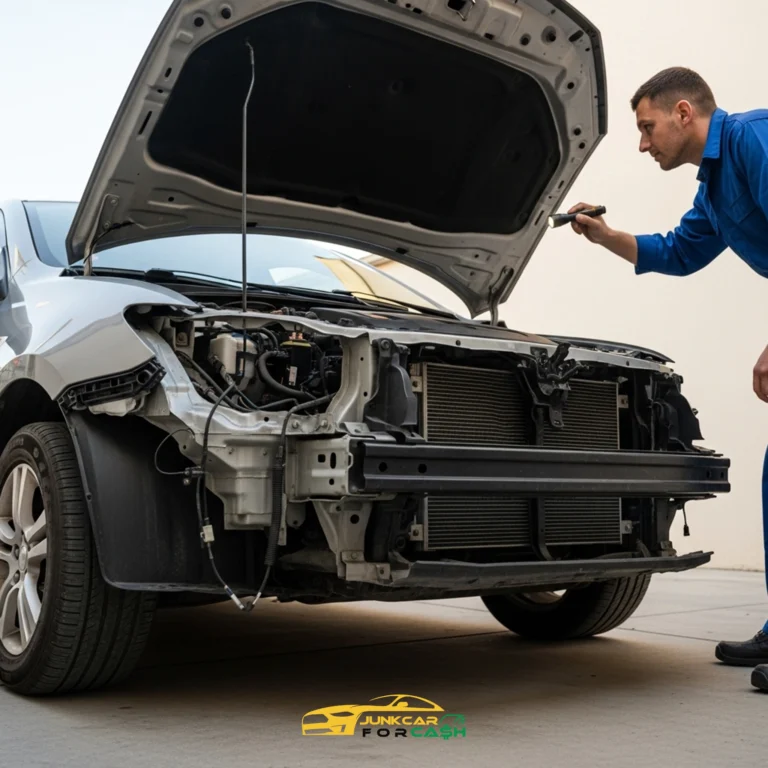

Our cars might as well be an extension of our legs in today’s technological world. This reliance on cars means that their maintenance must be on top of the list of our priorities, but even so, damage is inevitable. Repair is essential and often expensive, so everyone has thought about attempting a DIY car repairs project at least once. If you’re here because you decided to follow that train of thought, we’ll show you some simple tasks you can take care of yourself, the safety measures you must take and the issues you shouldn’t try fixing without help.
How Can I Repair My Car Myself?
First and Foremost: Safety
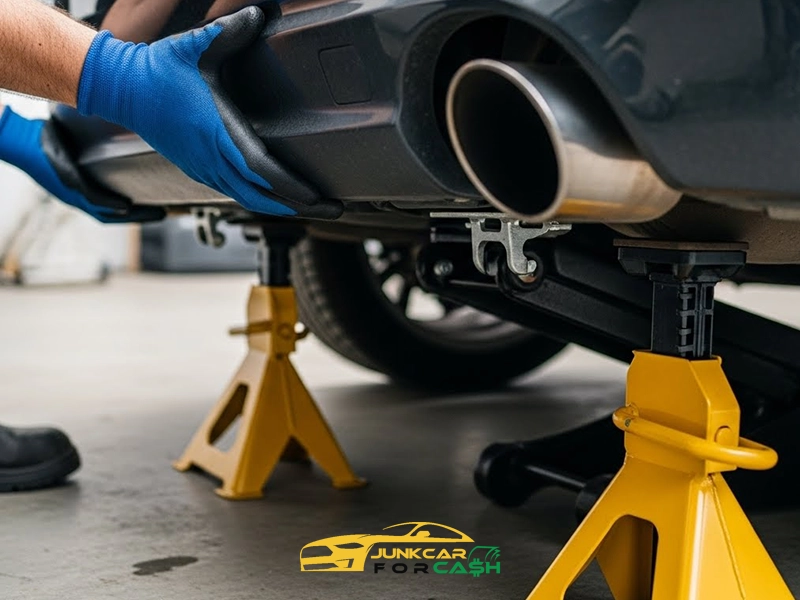
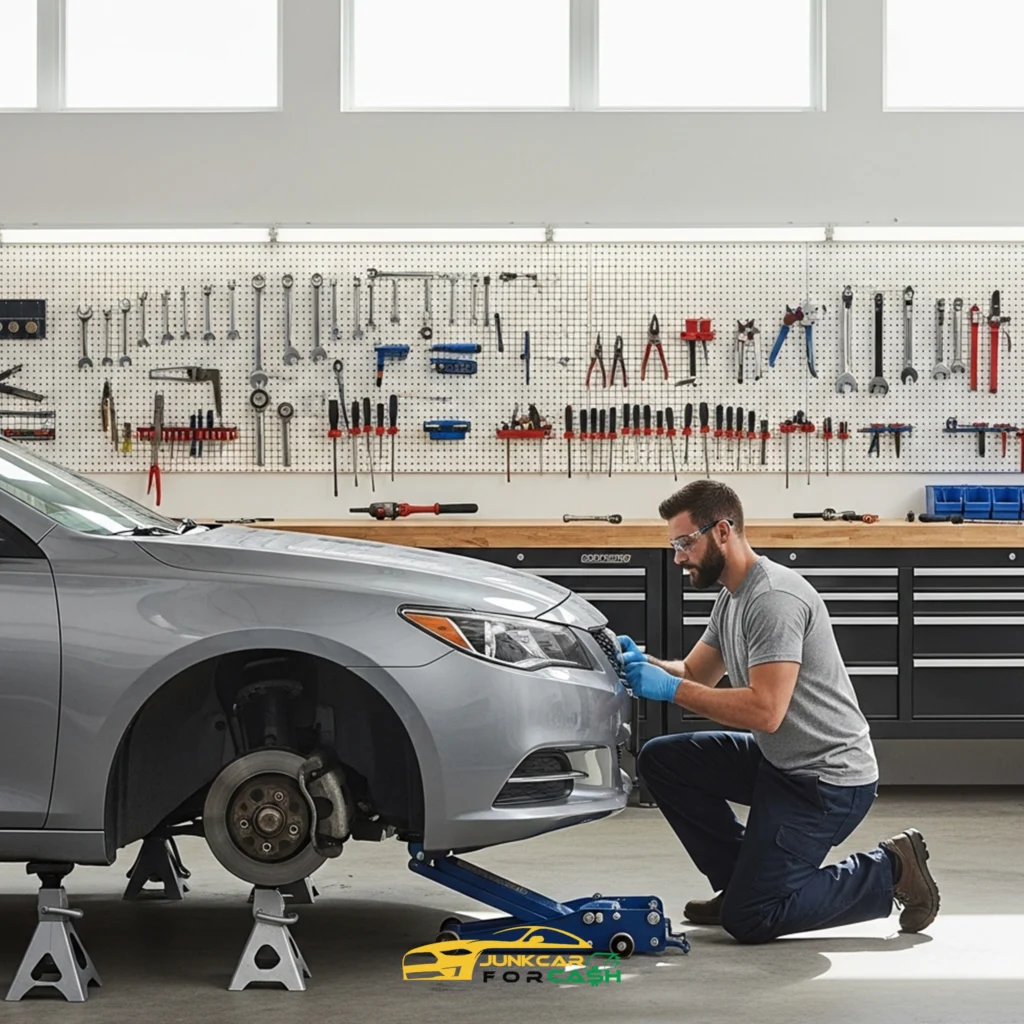
Safety first! Before you start doing any car repairs, please keep your own well-being in mind. Doing these simple things can prevent disasters:
- Use Jack Stands: A floor jack is only for lifting. Once the car is up, always place jack stands under approved lift points. Check your owner’s manual to find them, keep in mind that using the wrong spot can bend the frame or cause the car to fall. Before working underneath, lightly shake the car from the bumper. If it wobbles, reset everything.
- Wear Protective Gear: A very simple safety measure that’s often neglected. Don’t make that mistake and use:
- Nitrile or mechanic gloves (for cuts and chemicals)
- Safety glasses (for rust flakes or brake cleaner splash)
- Closed-toe shoes
- Knee pads (for comfortability for longer jobs)
- Avoid loose sleeves or jewelry that can get caught.
- Handle Fluids with Care: Make sure your workspace is ventilated since fumes from fuel, brake cleaner, and oil can be toxic or flammable. Don’t work near flames and have a fire extinguisher ready just in case.
- Follow Battery & Electrical Safety Rules: Always remove the (-) negative before (+) positive terminal. When reconnecting, do the opposite of that. Be careful you don’t put jewelry or metal tools near the batteries.
Read Also: Car Maintenance by Mileage: What Should Be Done and When?
5 Simple DIY Car Repairs Anyone Can Do
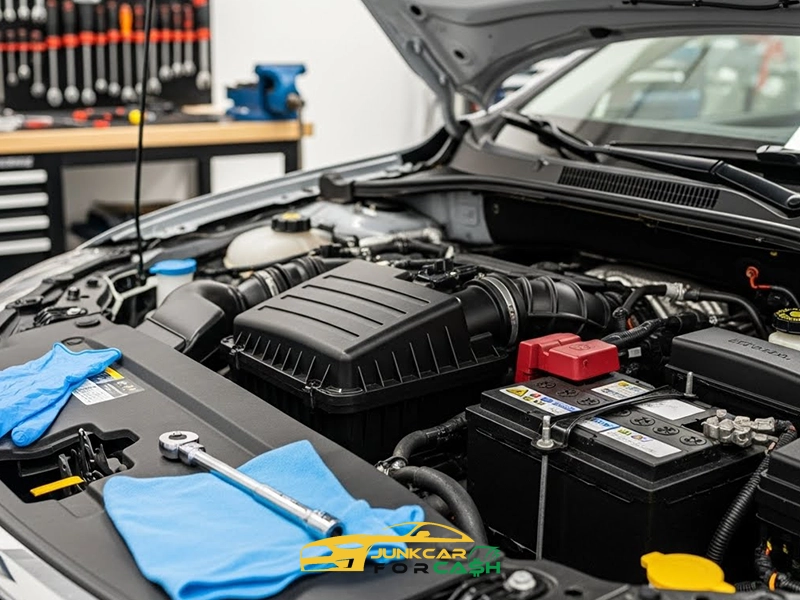
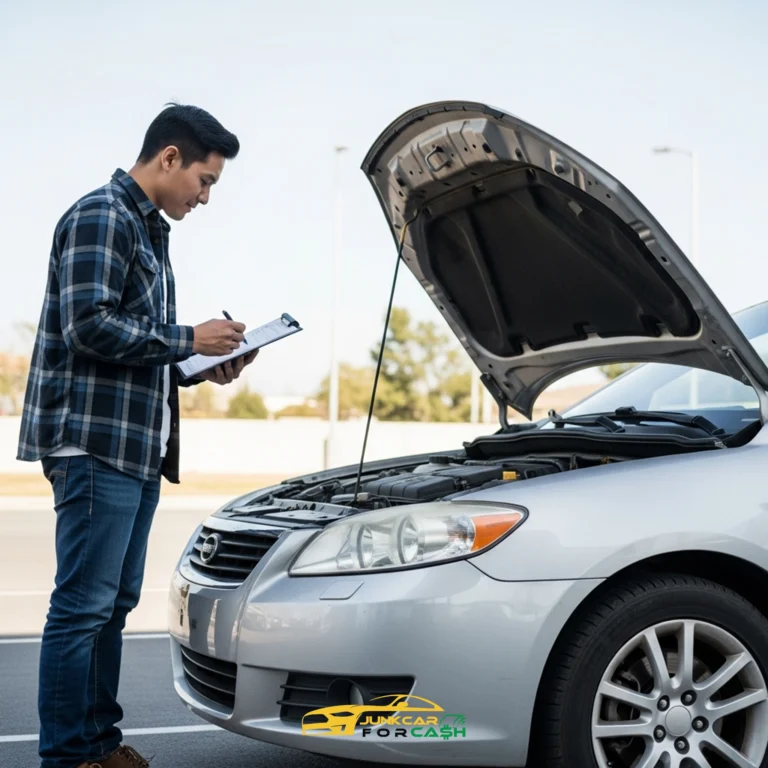
DIY car repairs save you money and give you a better understanding of your vehicle, as long as you stick to the jobs that are safe for beginners. Some of these tasks include:
- Replacing Engine Air Filter: it’s easy, quick, and doesn’t need any tools. Just open the airbox, pull out the old filter, and insert a new one in the same orientation.
- Changing Cabin Air Filter: you don’t need any tools for this either. The cabin air filter is usually behind the glovebox. Changing it gives you better airflow and cleaner A/C.
- Swapping Wiper Blades: Pull the wiper arm away from the windshield until it locks in an upright position. You can release it by pressing the small tab underneath the wiper, sliding the blade downward to unhook it from the curved arm, or pulling it away from the arm. Then, attach the new ones.
- Replacing a Car Battery: You need a socket wrench for replacing batteries. First, turn off the engine. Then, open the hood and look for the negative and positive terminals. You should always disconnect the negative terminal first. Most batteries are held in place by a clamp or bracket. Remove this, then lift the old battery. Put the new battery in the right place, hold it in place with the bracket, and reconnect the positive terminal first.
- Changing Engine Oil: Start by warming up the engine a little so the oil flows better. Then, use jack stands or ramps to lift the car up safely. Put a drain pan under the oil pan, take out the drain plug, and let the old oil drain completely. Next, unscrew the old oil filter. Be careful of oil spills! Install the new oil filter and lightly oil its rubber gasket. Reinstall the drain plug, lower the car, and pour in the right type and amount of new oil through the filler cap. Once you’ve added the oil, start the engine for a few seconds, then turn it off. Finally, check the dipstick to make sure the oil level is correct.
Read Also: SUV or Sedan
Conclusion
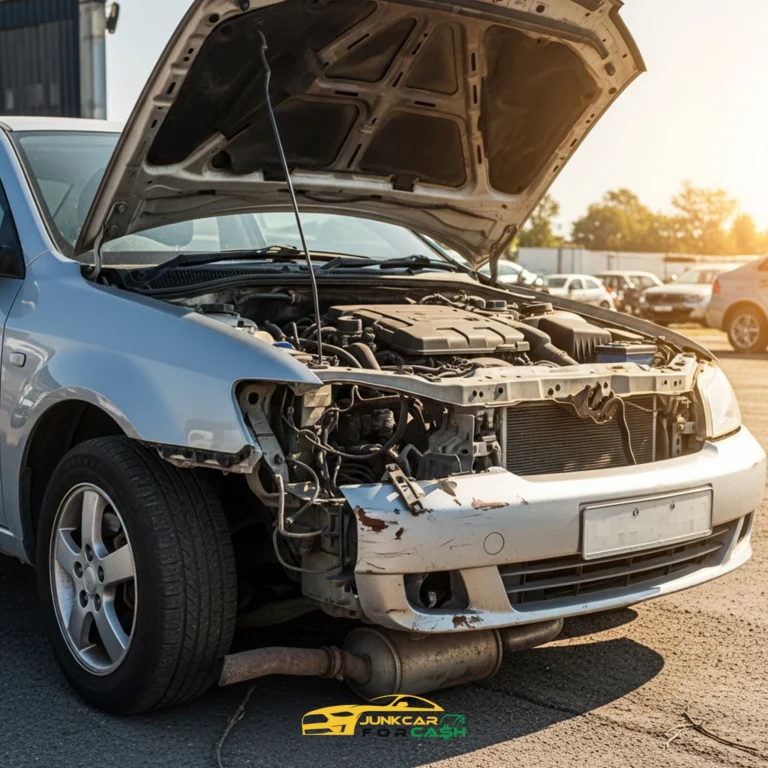
If you don’t mind getting your hands dirty, DIY car repairs are a great way to save up money. Just be sure to stay safe, and don’t attempt any dangerous repairs or anything that looks too complicated to handle.
And if you have a car on your hands that’s beyond repairing, we can take care of it. Get in touch with Junk Car for Cash today for fast removal and top dollar for your scrap car.