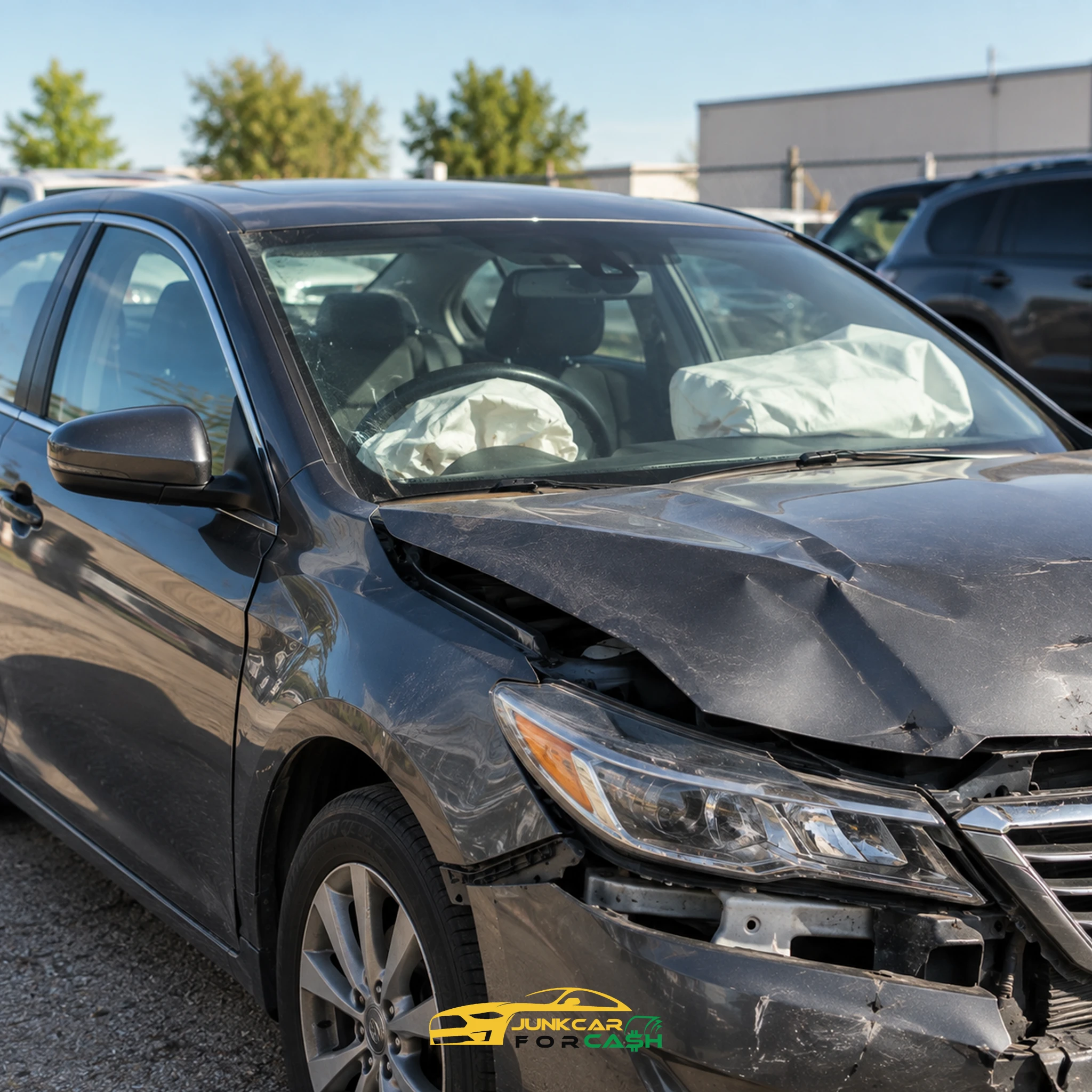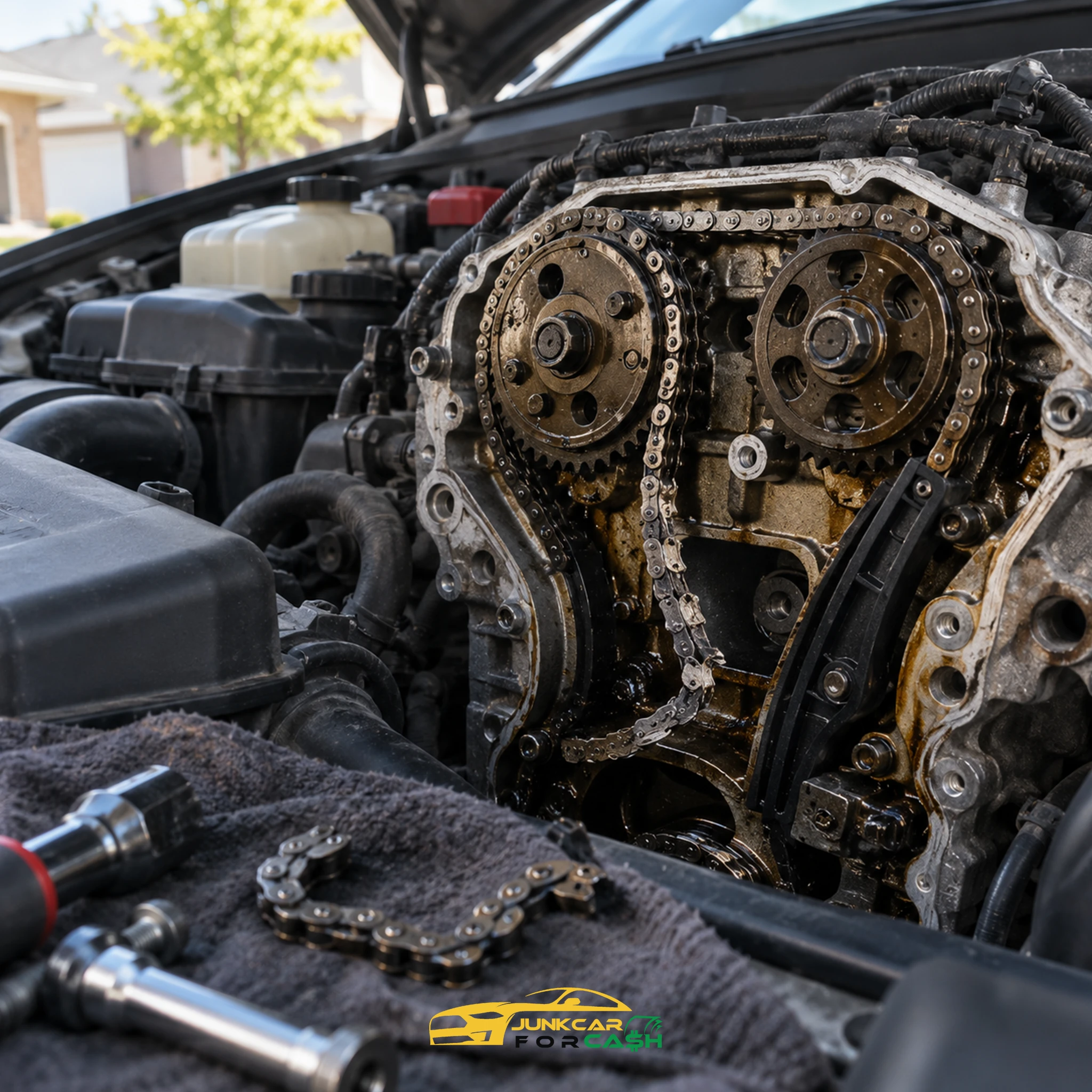

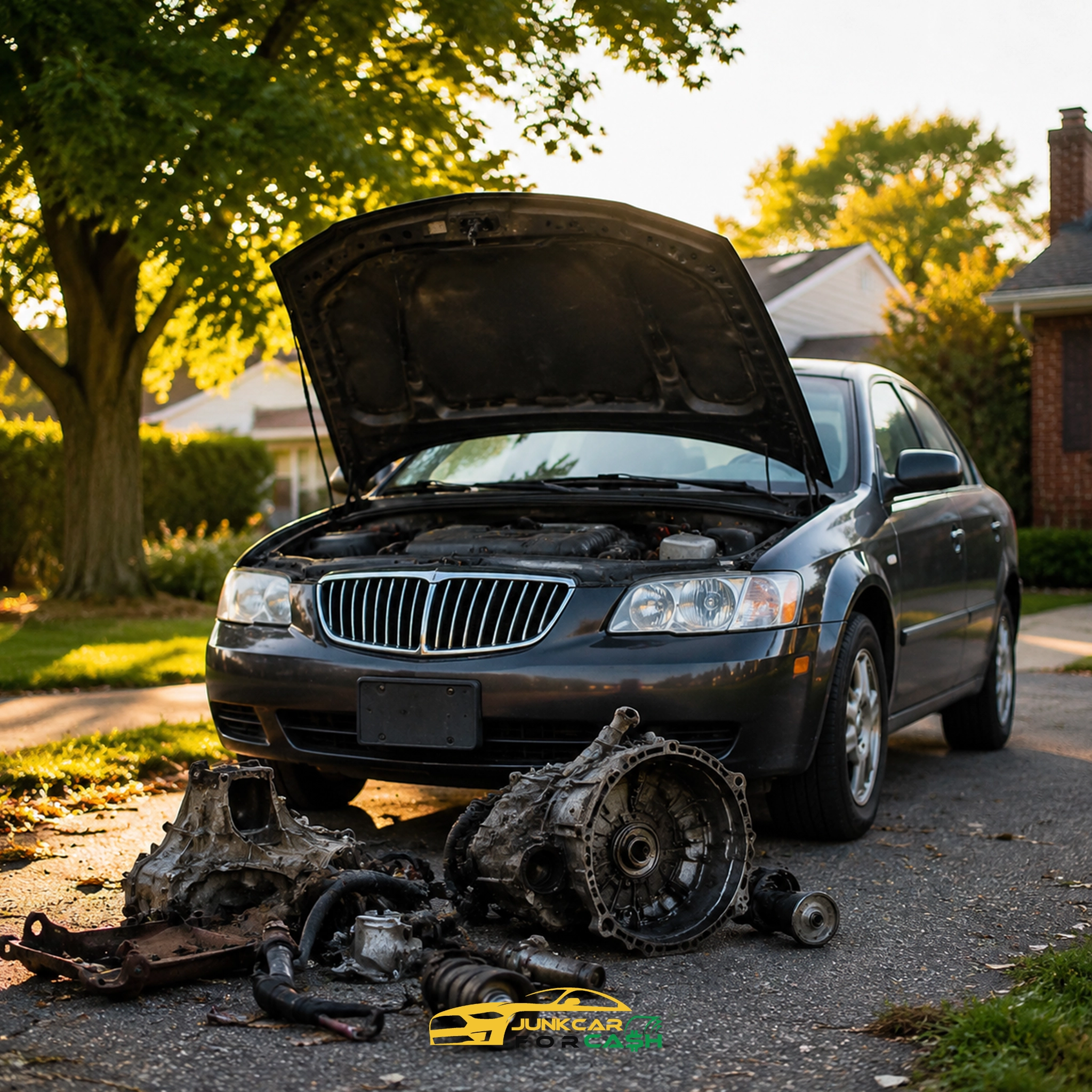
A transmission rebuild or replacement in Alberta typically costs between $1,800 and $6,500, often more than what an older vehicle is even worth once it’s fixed. That gap is the entire problem: spend thousands on a repair that may not raise the resale price, or sell the car broken and risk a lowball offer from a buyer who knows you’re stuck. Most owners don’t have a clear read on what their specific vehicle is actually worth with a failed transmission, so they either overpay for a fix or undersell out of frustration.
The right answer depends on the vehicle’s age, what’s still working, and which of four realistic selling paths fits your situation. This guide breaks down the real numbers behind each one.
How Much Is a Car With a Broken Transmission Worth?
Determining a fair price starts with understanding two separate questions: what repair would cost, and what actually drives a buyer’s offer regardless of repair cost.
Repair Costs vs Vehicle Value
A broken transmission doesn’t erase a car’s value, but it does change the math significantly. Transmission repair costs in Alberta vary widely depending on the type of damage. A fluid leak or solenoid replacement can run a few hundred dollars, while a full rebuild or replacement typically lands between $1,800 and $6,500, with parts and labour both factoring into the final number. For an older vehicle, that repair bill can easily exceed what the car would be worth once fixed, which is the core reason many owners choose to sell as-is rather than repair first.
What Affects Resale Value With a Broken Transmission
Several factors shape what a buyer is willing to pay for a car in this condition, including the make and model, the vehicle’s overall mechanical and body condition outside the transmission, and current demand for that specific model in the used parts market. A popular model with otherwise solid bodywork and a clean engine will draw more interest than a vehicle with multiple compounding issues, even with the same transmission problem.

Your Options for Selling a Car With a Broken Transmission
There are four main paths to selling a vehicle with a non-functioning transmission, each with a different payout and time commitment.
| Selling Option | Best For | Typical Payout |
|---|---|---|
| Junkyard or salvage yard | Non-running vehicles, fastest possible sale | Based on vehicle weight and Alberta steel scrap rates, generally $0.10 to $0.20 per pound |
| Sell for individual parts | Owners with time to dismantle and sell components separately | Highest potential total, but requires finding buyers for each part |
| Private sale, as-is | Vehicles in otherwise good condition with a clear, honest listing | Generally higher than junkyard value, but slower and less predictable |
| Trade-in at a dealership | Owners already purchasing another vehicle | Lower than private sale, but convenient and applied directly to a new purchase |
Selling to a Junkyard or Salvage Yard
This route works best for vehicles that aren’t roadworthy at all. Junkyards pay based on the car’s weight and recoverable metal, so the payout reflects scrap value rather than market value. Alberta scrap steel currently trades in the range of $0.10 to $0.20 per pound, which means the final number scales directly with how heavy the vehicle is, with trucks and SUVs naturally earning more than compact sedans. The process requires minimal paperwork and usually no advertising, though you may need to arrange your own towing unless the buyer offers it as part of the deal.
Selling the Car for Parts
Dismantling a vehicle and selling components individually, such as the engine, body panels, or electronics, can produce a higher total return than scrapping the whole car at once. This option demands considerably more time, since you’ll need to find separate buyers for each part and handle multiple transactions instead of one. It tends to make the most sense for owners who already have mechanical experience or access to a garage.
READ MORE : How to Sell Car for Parts
Selling Privately As-Is
A private sale can bring in more money than a junkyard offer, particularly if the rest of the vehicle is in decent shape. The trade-off is a longer process. You’ll need to advertise honestly, field questions from potential buyers, and likely negotiate down from your asking price once the transmission issue comes up. Alberta doesn’t impose dealer-level disclosure requirements on private sellers, but misrepresenting a known, substantial defect can still expose you to a legal claim later.
Trading the Vehicle In at a Dealership
Some dealerships accept vehicles with mechanical issues as trade-ins, particularly for popular makes and models they can resell or part out themselves. This is the fastest option if you’re already planning to buy another vehicle, since the trade-in value applies directly to your purchase. The downside is that trade-in offers for a car with a broken transmission tend to run well below what you’d get through a private sale or even a dedicated buyer.
How to Get the Best Price for a Car With Transmission Problems
A few practical steps consistently lead to better outcomes regardless of which selling method you choose.
- Be upfront about the transmission issue from the first conversation. Buyers who feel misled walk away, and disclosure tends to build the trust needed to close a deal quickly.
- Pull together maintenance records if you have them. Even a partial service history reassures a buyer that the rest of the vehicle was cared for, which can support a better offer.
- Research comparable listings for your make and model before setting a price, factoring in what repair would realistically cost a buyer so your number reflects the car’s actual condition.
- Confirm who covers towing before agreeing to a sale. Some buyers include it in their offer, while others expect you to arrange it separately, and this detail can meaningfully change your net proceeds.
Sell Your Car With a Broken Transmission for Cash Today
If you’d rather skip the repair decision entirely, Junk Car for Cash buys vehicles across Alberta in any mechanical condition, including cars with broken or failed transmissions. We offer same-day pickup, handle towing, and provide a transparent quote with no hidden deductions. Call us at (587) 325-0717 or email [email protected] to get a free quote today.
Conclusion
A broken transmission doesn’t mean your car has lost all its value, but it does narrow your options and change what a fair price looks like. Junkyards offer speed and simplicity at a lower payout, parts sales can maximize return at the cost of your time, private buyers typically pay more but require patience and honesty about the vehicle’s condition, and dealership trade-ins work best when you’re already buying your next car. Whichever path fits your situation, the same principles apply: know your repair costs relative to the car’s value, disclose the issue clearly, and price the vehicle based on its actual condition rather than what it would be worth if fixed.
Frequently Asked Questions
References
Kelley Blue Book, “Transmission Repair and Replacement Prices & Cost Estimates.” https://www.kbb.com/transmission-repair-and-replacement/
RepairPal, “Transmission Replacement Cost Estimate.” https://repairpal.com/estimator/transmission-replacement-cost
Excell Transmission, “Transmission Repair Cost Guide.” https://www.excelltransmission.com/transmission-repair-guide/
Alberta Drive-Line Rebuilders, “The Cost of Repairing a Broken Transmission.” https://albertadriveline.com/blog/the-cost-of-repairing-a-broken-transmission/