
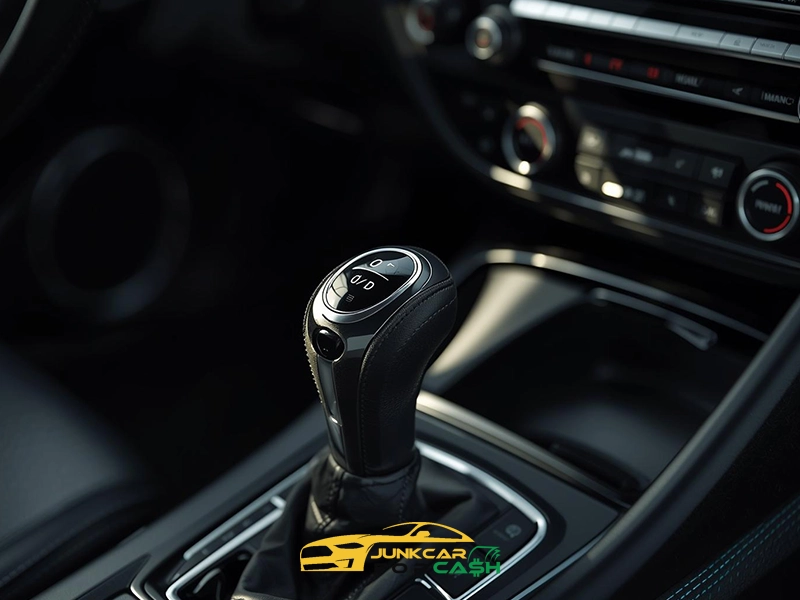
If you’ve ever noticed an “O/D” button on your gear selector or dashboard, you might have wondered what it actually does. Overdrive is one of those features many drivers use every day without thinking much about it. Others avoid it because they are not sure if it’s good or bad for the car. In this blog, we help you understand what overdrive is and how it works to help you drive more efficiently, save fuel, and reduce wear on your engine.
Find Out What Your Junk Car Is Really Worth Today
What’s Overdrive In a Car?
Overdrive is a transmission setting that lets your car go at lower engine speeds but higher road speeds. It’s designed more for cruising than for speed. When you put your car in overdrive, your engine doesn’t need to spin as fast to keep the car moving, which makes driving more efficient.
Most modern automatic vehicles have overdrive built into the transmission, and it activates automatically when conditions are right. In older cars, there might be a button labelled “O/D” that lets you turn it on or off manually. When the overdrive light is on or off, it usually indicates whether that gear is available or locked out.
How Does Overdrive Work?
Overdrive works by changing the gear ratio in the transmission so that the engine turns slower compared to the wheels. This happens once the vehicle reaches a certain speed and the engine no longer needs to work hard to maintain momentum.
When overdrive is active, you may notice:
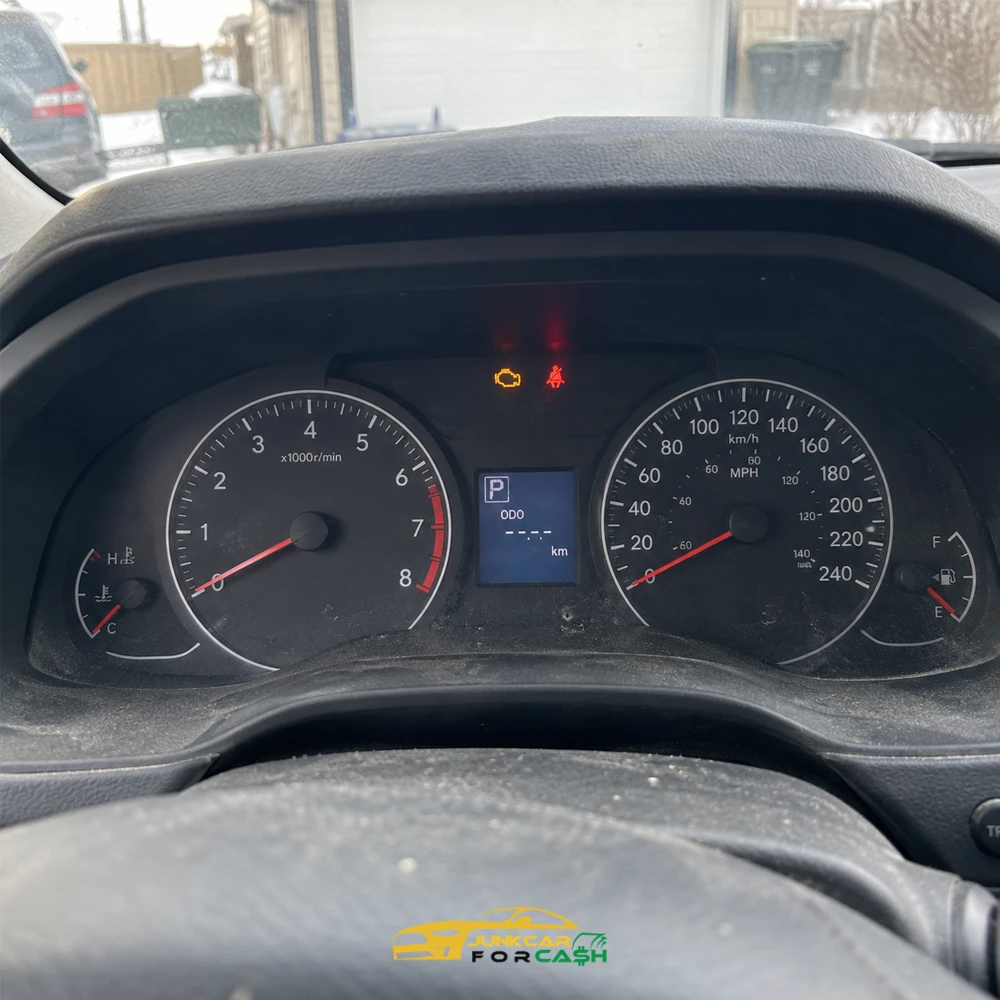
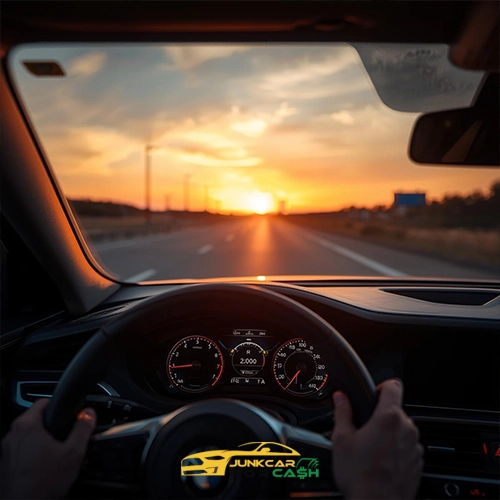
- Lower engine RPMs on the tachometer
- Reduced engine noise
- Smoother cruising at highway speeds
- Better fuel efficiency
When Should You Use Overdrive?
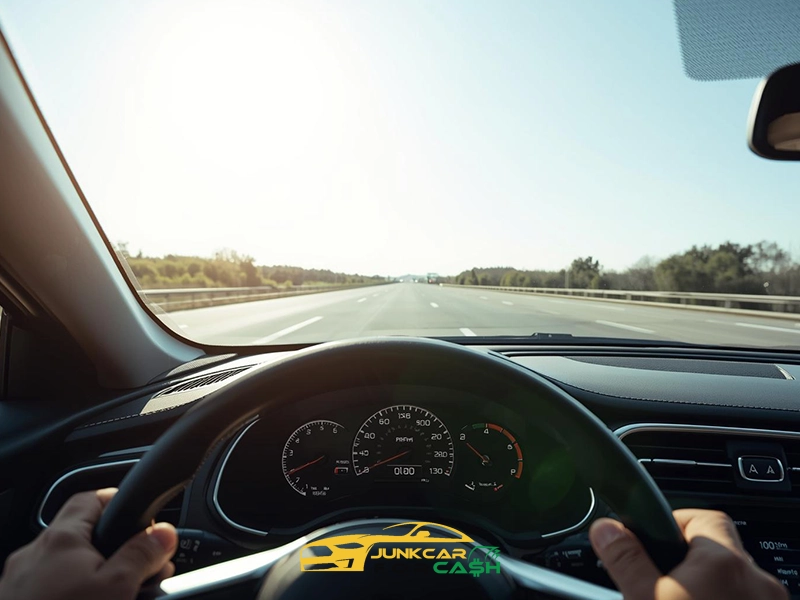
Overdrive is best used when you are driving at steady speeds for extended periods. It’s ideal for situations where you are not constantly stopping, accelerating, or changing speed.
Situation | Why It’s Ideal |
Driving on highways or major roads | Keeps engine RPM lower at steady high speeds |
Cruising at consistent speeds | Reduces engine strain and improves efficiency |
Going on long road trips | Enhances comfort and fuel economy over distance |
Trying to improve fuel efficiency | Lowers fuel consumption at stable speeds |
When Shouldn’t You Use Overdrive?
Although overdrive is helpful, it’s not always the right choice. In certain conditions, turning overdrive off gives your engine better responsiveness and control.
Situation | Why to Avoid It |
Driving in stop-and-go city traffic | Frequent shifting reduces efficiency and responsiveness |
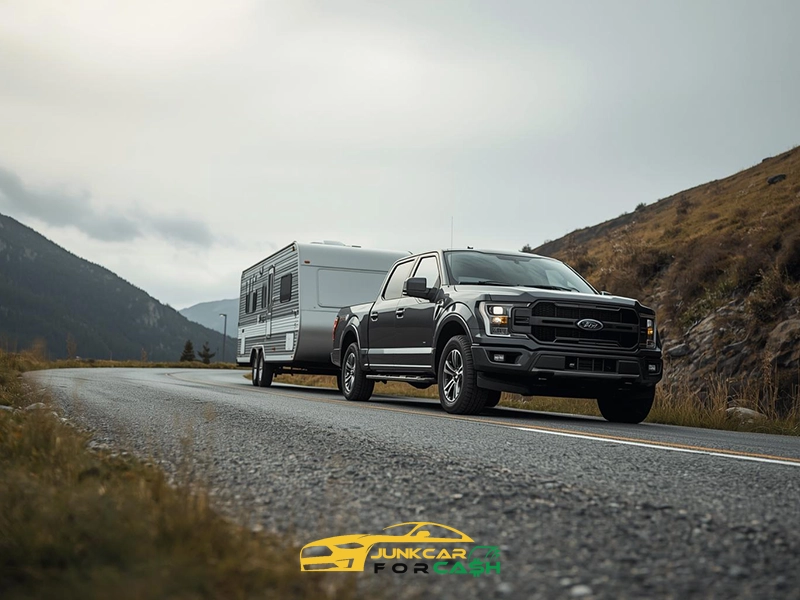
Towing a trailer or hauling heavy cargo | Engine needs more power and torque control |
Driving through hilly terrain | Requires stronger acceleration and engine braking |
Traveling downhill for long periods | Limits engine braking capability |
Driving in snow, ice, or slippery conditions | Better control is needed at lower gears |
Conclusion
Overdrive is a great feature that helps your car run more efficiently when you’re driving along at a steady pace. When used properly, it can lower engine RPMs, improve fuel economy, and reduce wear on your vehicle. Knowing when to use overdrive and when to turn it off gives you better control and helps your car perform at its best. We believe once you understand how overdrive works, you can drive with more confidence and get the most out of your transmission.
If you’re looking to replace your old vehicle with a new model, we can take it off your hands. Get in touch with Junk Car for Cash and sell your junk car now.