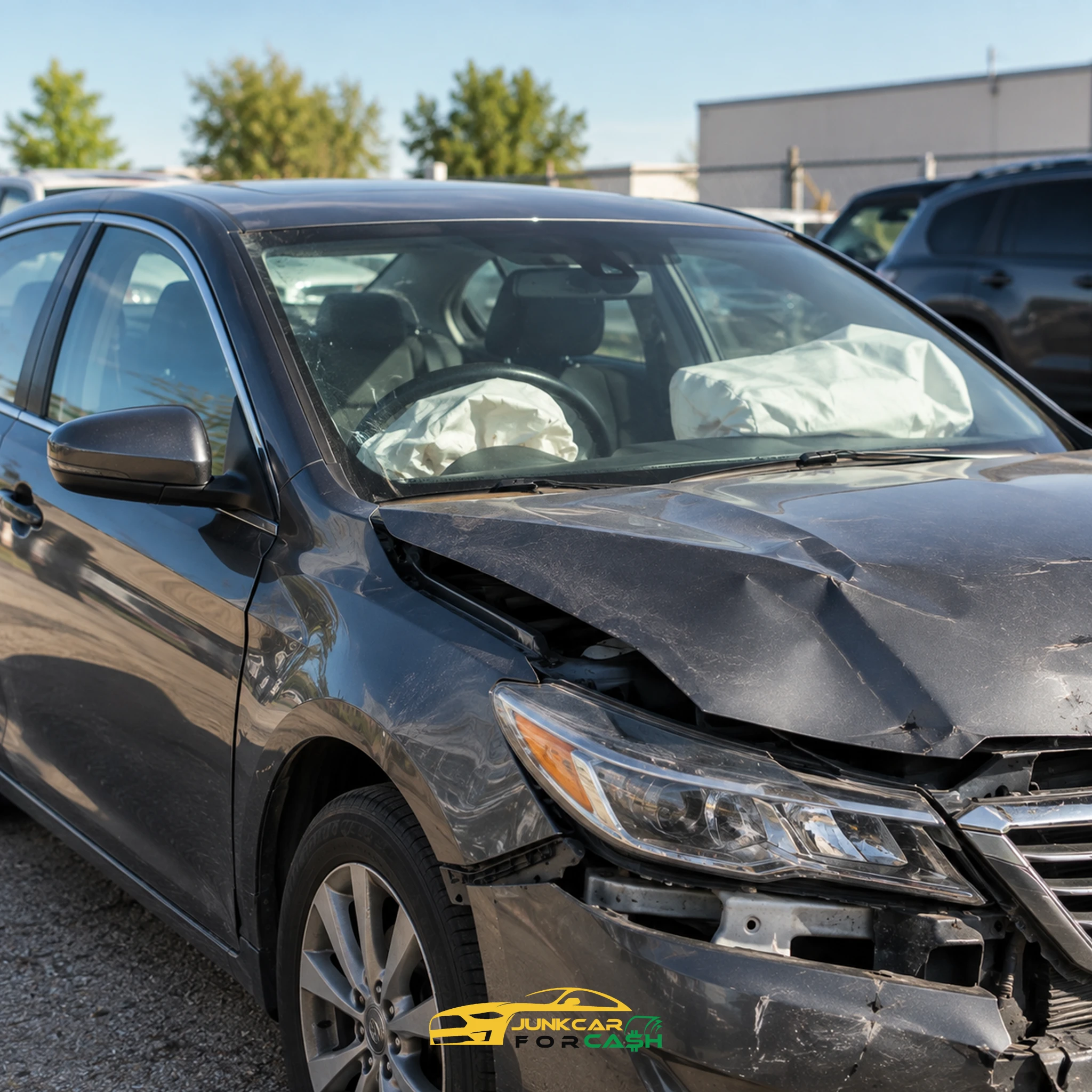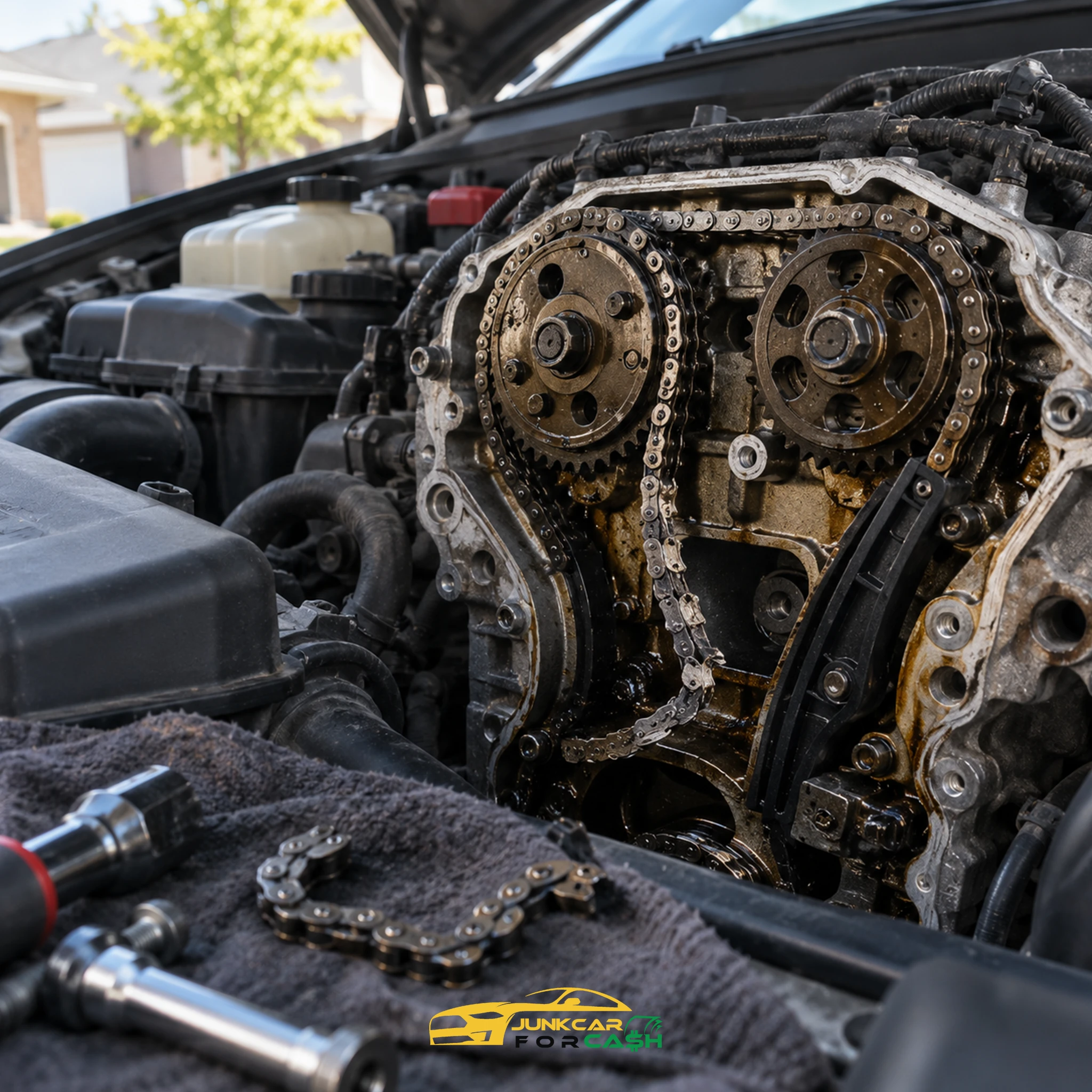

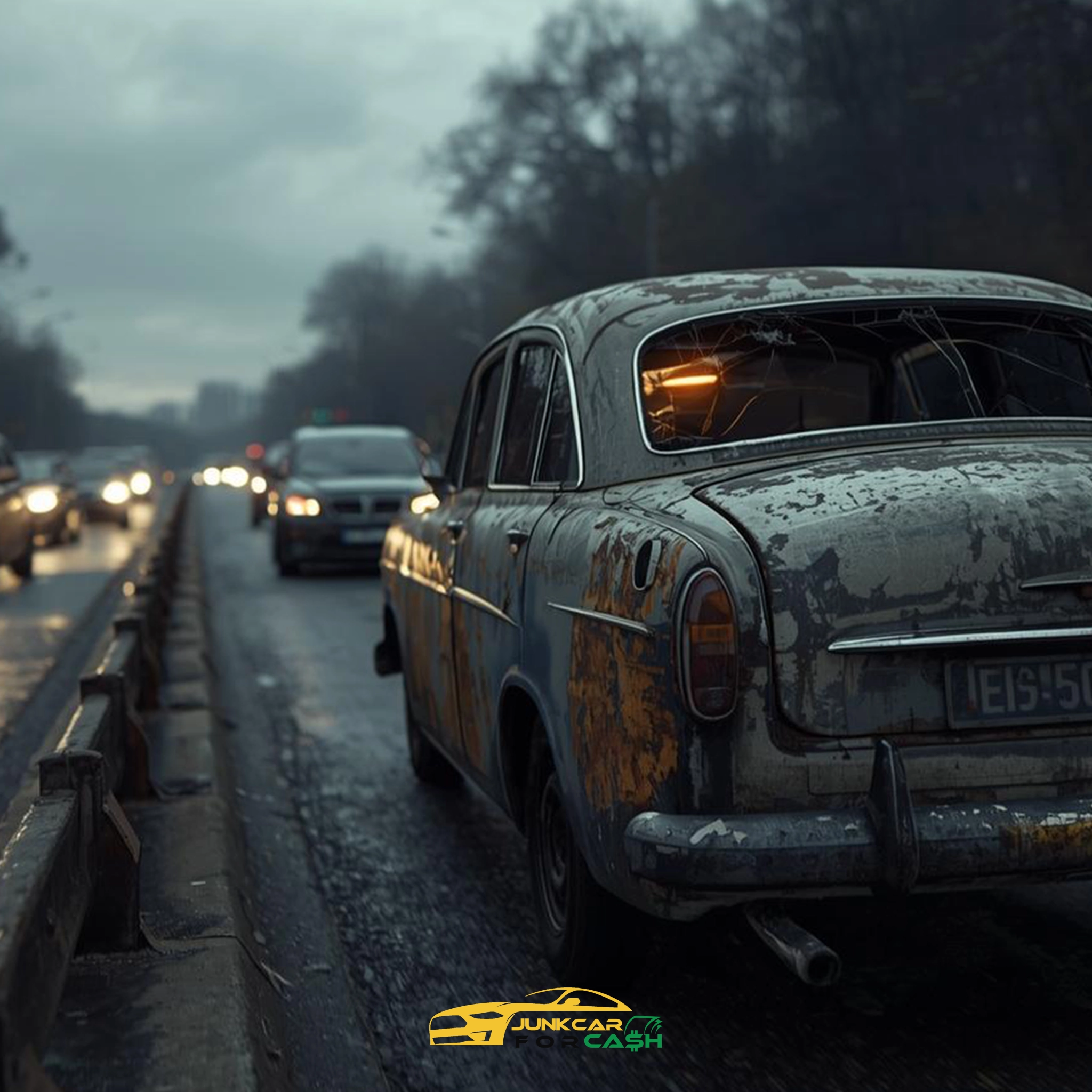
Your car might still start every morning, but that doesn’t mean it’s safe to keep driving. Many Alberta drivers continue relying on aging vehicles because replacing or selling them feels more expensive or inconvenient than squeezing out a few more months on the road. Knowing when a vehicle has become a liability instead of reliable can help you avoid costly repairs, dangerous breakdowns, and unnecessary risks. That’s especially important in Alberta, where harsh winters, long highway drives, and changing road conditions put extra strain on older vehicles.
This guide breaks down the five biggest risks of driving a junk car in Alberta, explains how they affect your safety and your wallet, and helps you decide when it’s time to stop repairing and start selling.
1. Mechanical Failure Is More Likely Than You Think
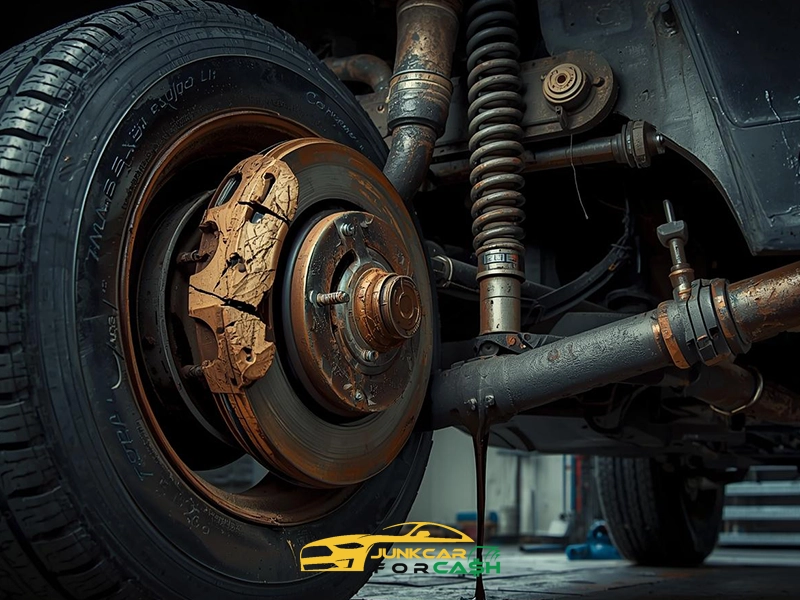
When a vehicle ages past its reliable service life, its core systems deteriorate in ways that are not always visible until something breaks. Brakes wear thin. Tires crack. Steering components loosen. Suspension bushings fail. These are not gradual inconveniences; they are safety hazards that often give little warning before they fail completely.
Transport Canada’s National Collision Database recorded 1,964 road fatalities in Canada in 2023, the highest count in a decade. Alberta’s road fatality rate of 6.4 per 100,000 population is above the national average of 4.9, which reflects the province’s combination of long rural highways, high travel speeds, and severe winters. A vehicle with compromised mechanical systems is significantly more dangerous in those conditions than one in proper working order.
The systems most likely to fail on a junk car include:
- Brakes: Worn pads and corroded rotors extend stopping distances, particularly on wet or icy roads.
- Tires: Aging rubber cracks and weakens, raising the risk of a blowout at highway speed.
- Steering and suspension: Worn components reduce control when sharp maneuvering is needed.
- Engine and transmission: Unexpected failure can leave a vehicle stalled in active traffic.
- Electrical systems: Faulty wiring can disable headlights, brake lights, and turn signals.
Read Also : Selling a Car with a Broken Transmission
2. Cold-Weather Breakdowns Are a Real Safety Risk in Alberta
Alberta winters are not forgiving to unreliable vehicles. Temperatures regularly fall below -20°C across the province, and a breakdown on a highway or rural road is not simply a hassle. It is a safety emergency.
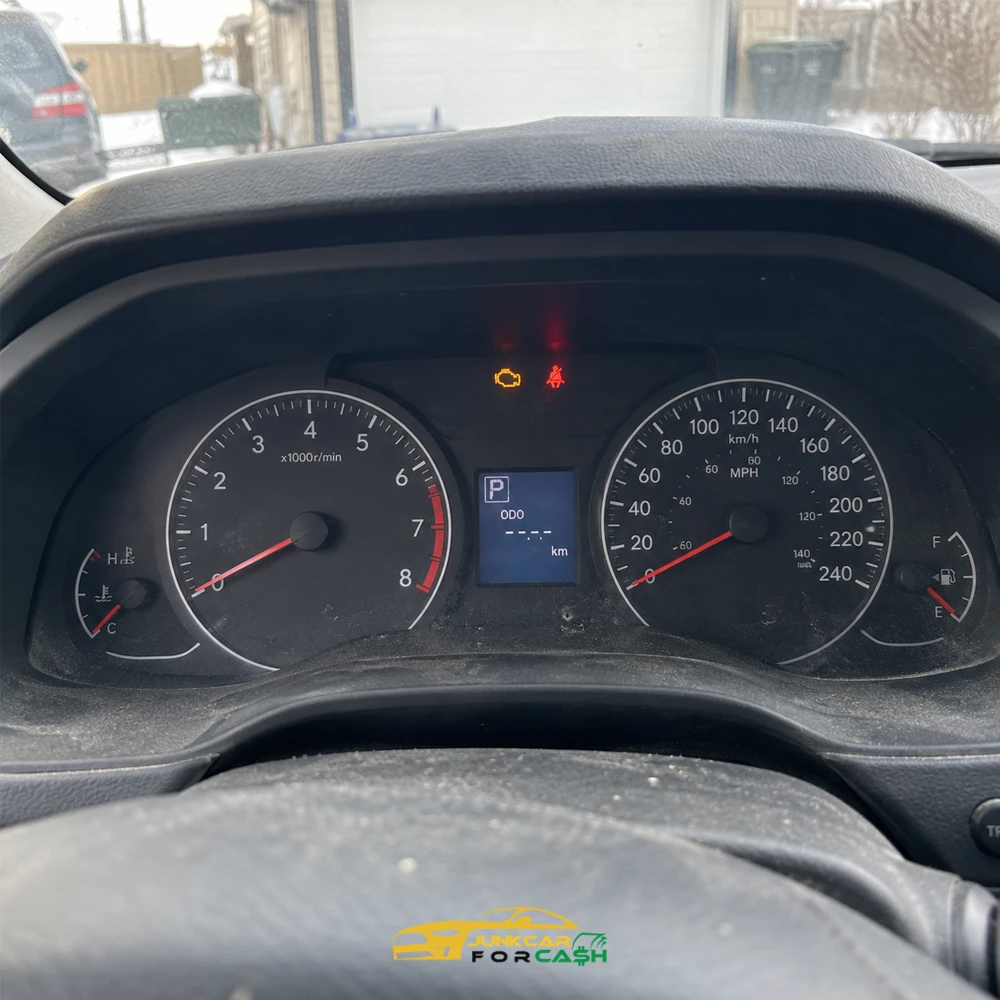
Cold weather accelerates failures that are already developing. A battery that barely starts the car in mild weather will not start it at -30°C. Fuel lines crack. Coolant systems that are borderline functional in summer can fail entirely in a hard freeze. If you are already coaxing the vehicle through cold starts every morning, you are closer to being stranded than you might realize.
A stalled vehicle on a high-speed Alberta highway, particularly in low-visibility blizzard conditions, puts both the driver and other road users at serious risk. The longer a junk car is kept in service, the more likely this outcome becomes.
Read Also : Best SUV For Canada Winter
3. Older Vehicles Produce More Harmful Emissions
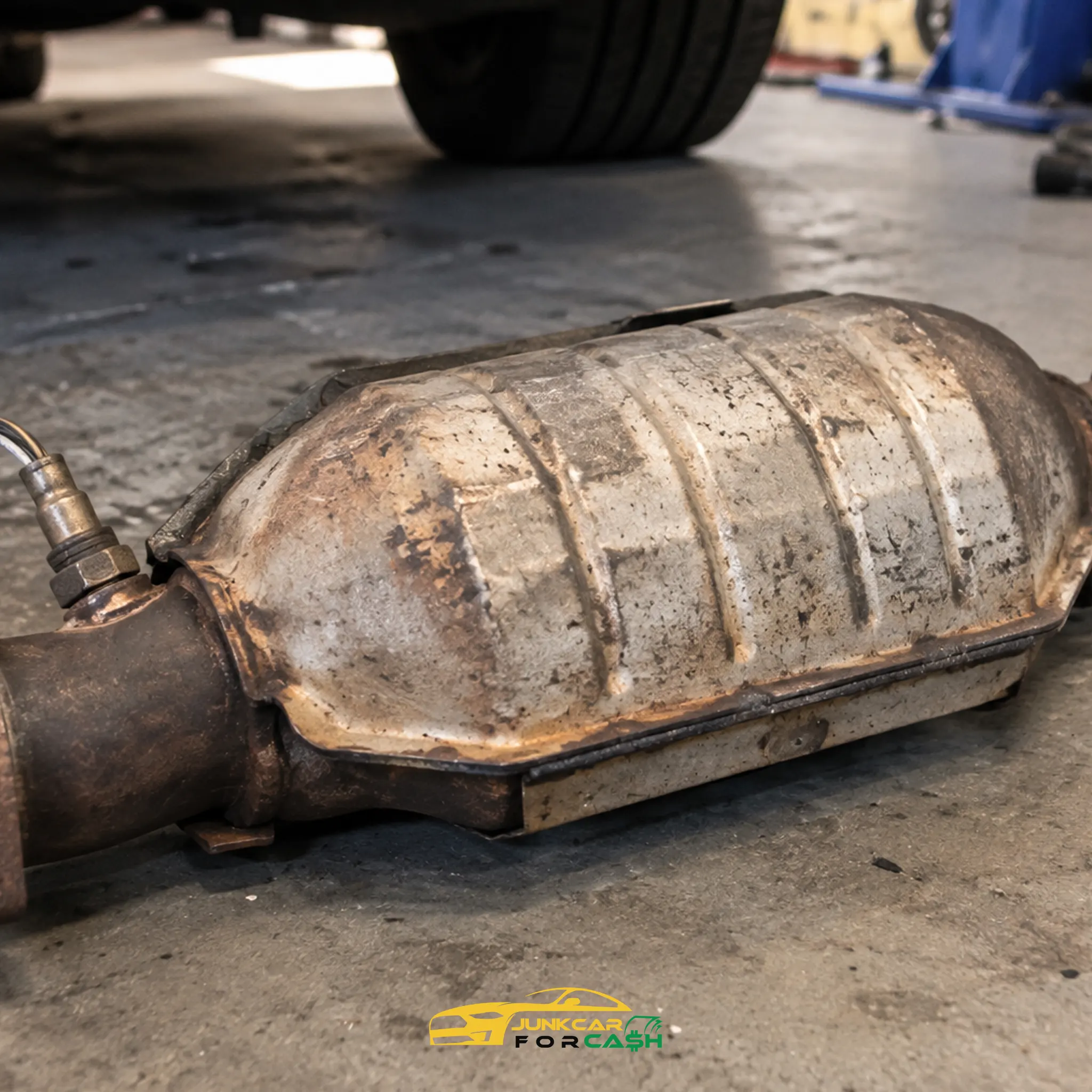
Canada’s transportation sector accounts for approximately 22% of the country’s total greenhouse gas emissions, according to the Environment and Climate Change Canada National Inventory Report 2026. Poorly maintained and aging vehicles contribute disproportionately to that figure. Degraded catalytic converters, leaking exhaust systems, and inefficient combustion all push emissions higher than what a properly maintained vehicle produces.
Beyond tailpipe emissions, junk cars commonly develop fluid leaks. Engine oil, transmission fluid, brake fluid, and coolant that drip onto roads and driveways enter stormwater systems and contaminate soil. The Alberta Environmental Protection and Enhancement Act governs the release of harmful substances, and vehicle fluid contamination on private or public land can carry legal liability.
The Alberta Urban Municipalities Association has formally called on the province to introduce mandatory vehicle emissions testing for older vehicles, a policy already enforced in British Columbia and Ontario. If Alberta adopts this, owners of high-emitting junk cars will face direct compliance pressure. Selling before that happens removes the risk.
4. Repair Costs Add Up Fast and Often Exceed the Car's Worth
Keeping a junk car running sounds cheaper than replacing it. For most people, it is not. Statistics Canada’s Consumer Price Index for vehicle repair and maintenance rose 22.3% between 2019 and 2024, and labour rates at Alberta shops now run $95 to $130 per hour.
Once a junk car starts requiring major work, the bills accumulate quickly:
| Repair Type | Estimated Cost in Alberta |
|---|---|
| Brake pad replacement (per axle) | $150 to $400 |
| Transmission rebuild | $1,500 to $4,000 |
| Transmission replacement | $3,500 to $8,000 |
| Engine repair or replacement | $3,000 to $10,000+ |
| Suspension overhaul | $1,000 to $3,500 |
A practical benchmark: if a single repair costs more than 50% of the vehicle’s current market value, replacement makes more financial sense. For a junk car worth $1,500, a $900 transmission job crosses that line. The money going toward keeping an unreliable vehicle on the road would be better directed toward something safe and dependable.
5. Junk Cars Are Missing Safety Features That Save Lives
Research from the U.S. National Highway Traffic Safety Administration (NHTSA Report DOT HS 811 825, 2013) found that drivers of vehicles 18 years or older were 71% more likely to be fatally injured in a crash than drivers of vehicles three years old or newer. The primary cause is the absence of safety systems that are now standard on modern vehicles.
Vehicles older than 15 years commonly lack:
- Electronic Stability Control (ESC): Mandatory on all new Canadian passenger vehicles since 2012. It reduces rollover risk and helps maintain control on icy roads.
- Side and curtain airbags: Not standard in most vehicles built before 2005.
- Anti-lock Braking System (ABS): Prevents wheel lock-up during hard braking on slippery surfaces.
- Rearview camera: Mandatory on all new Canadian vehicles since May 2018.
- Automatic Emergency Braking (AEB): Now standard on most new vehicles sold in Canada.
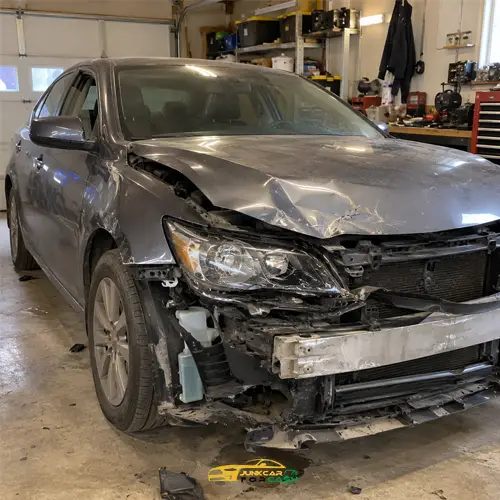
Even when these features exist on an older vehicle, they may no longer function correctly. A degraded airbag sensor or a non-functioning ABS module provides no protection when it matters. In a crash, a broken safety system is no different from not having one.
Get Cash for Your Junk Car in Alberta Today
If your vehicle has failed or is getting close, there is a clear path forward. Junk Car For Cash buys junk cars across Alberta with free pickup and same-day cash offers. You do not need to repair anything, arrange a tow, or wait weeks for a sale. Whether your car has a dead engine, failing brakes, high mileage, or has simply reached the end of its useful life, we will make you an offer.
Call us at (587) 325-0717 or send an email to [email protected] to get your free quote. The process is simple, the pickup is free, and you get paid on the spot.
Conclusion
Driving a junk car in Alberta carries five compounding risks: mechanical failure, cold-weather breakdowns, excess environmental emissions, repair costs that outpace the vehicle’s value, and missing safety features that modern vehicles carry as standard. Each of these is a problem on its own. Together, they create a situation where every drive carries a level of risk that a roadworthy vehicle would not.
The longer an aging junk car stays in service, the more those risks grow. For many Alberta drivers, the turning point comes when the cost and stress of keeping the vehicle going no longer makes sense compared to simply getting paid to let it go.
Frequently Asked Questions
References
- Transport Canada. Canadian Motor Vehicle Traffic Collision Statistics: 2023. Published May 2025. https://tc.canada.ca/en/road-transportation/statistics-data/canadian-motor-vehicle-traffic-collision-statistics/2023/canadian-motor-vehicle-traffic-collision-statistics-2023
- Environment and Climate Change Canada. National Inventory Report 1990-2024: Greenhouse Gas Sources and Sinks in Canada. Published 2026. https://www.canada.ca/en/environment-climate-change/services/environmental-indicators/greenhouse-gas-emissions.html
- National Highway Traffic Safety Administration (NHTSA). How Vehicle Age and Model Year Relate to Driver Injury Severity in Fatal Crashes. Report No. DOT HS 811 825. August 2013. https://crashstats.nhtsa.dot.gov/Api/Public/Publication/811825
- Government of Alberta. Traffic Safety Act, RSA 2000, c T-6. Alberta King’s Printer. https://open.alberta.ca/publications/t06
- Government of Alberta. Vehicle Safety, Compliance and Oversight. https://www.alberta.ca/vehicle-safety-compliance-and-oversight
- Government of Alberta. Environmental Protection and Enhancement Act, RSA 2000, c E-12. Alberta King’s Printer. https://open.alberta.ca/publications/e12
- Alberta Urban Municipalities Association. Mandatory Vehicle Emissions Testing (Resolution). https://www.abmunis.ca/resolution/mandatory-vehicles-emissions-testing
- Statistics Canada. Consumer Price Index, by product and product group, monthly, percentage change. https://www150.statcan.gc.ca/t1/tbl1/en/tv.action?pid=1810000401